
Why are you hungry again? You just ate!
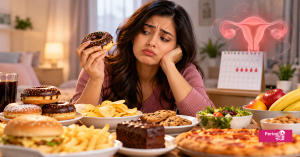
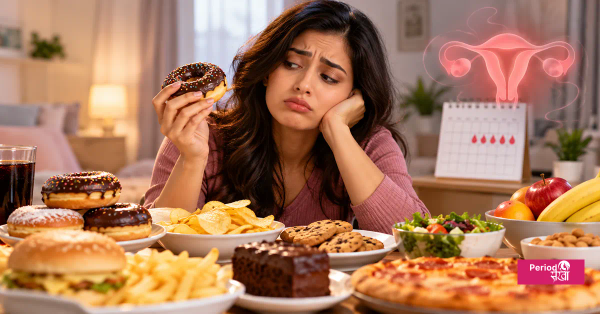
Picture this. You have finished lunch, but an hour later, you are already thinking about something sweet. You open the fridge, look for chocolate, and then remember the packet of chips sitting in the kitchen cupboard. Suddenly, your usual meals do not seem enough and your period is still a few days away. If this sounds familiar, you are not alone. Many women feel hungrier than usual before their period. Some crave chocolate, while others want rice, bread, salty snacks or a second helping of dinner.
You might even wonder, "Why am I so hungry today? Am I eating too much?" Not necessarily. Your body goes through several changes during the menstrual cycle, and these can affect your appetite, energy needs and food preferences. The good news? You do not have to fight every craving or feel guilty about being hungry. Understanding what is happening can help you make choices that leave you feeling satisfied.
The days before menstruation are part of the luteal phase. This phase begins after ovulation and ends when your next period starts.
During this time, hormone levels change. Progesterone rises after ovulation and falls if pregnancy does not occur. Oestrogen levels also change.
These hormonal shifts can affect appetite, mood and the way you experience hunger. Some women notice a clear increase in appetite during this phase, although not everyone experiences it.
There may also be a small increase in energy expenditure during the luteal phase for some women. Research findings vary, and the increase is not the same for everyone.
This means you may genuinely feel hungrier before your period. It does not automatically mean you lack willpower or have lost control over your eating habits.
Have you ever noticed that an apple sounds perfectly fine on an ordinary day, but just before your period, all you can think about is chocolate?
Food cravings before menstruation are common. Here are some reasons they may happen.
Oestrogen and progesterone interact with several systems involved in appetite and mood. Changes in these hormones may influence how hungry you feel and which foods appeal to you.
However, cravings are not caused by one hormone alone. Sleep, stress, habits and your usual eating pattern can also play a part.
When you are tired, hungry or have not eaten enough, foods rich in carbohydrates may seem especially appealing.
Rice, bread, biscuits and sweets provide carbohydrates, which the body uses for energy. Before your period, you may find these foods more tempting than usual.
There is nothing wrong with eating carbohydrates. Rice, roti, oats, potatoes and fruit can all be part of a balanced diet.
The key is to eat enough to feel satisfied instead of trying to ignore your hunger until it becomes overwhelming.
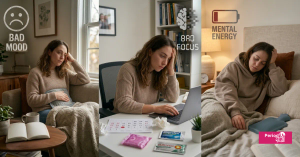
The days before your period can bring irritability, sadness, tiredness or stress. Some people find that eating something they enjoy helps them feel better for a while.
Chocolate, ice cream and favourite snacks may become especially tempting during this time.
This does not mean every craving is emotional. You may be physically hungry, too. Sometimes, both happen together.
If you want chocolate, you can have some. You do not need to label it as a bad food or feel guilty afterwards.
Yes, an increase in appetite during the week or two before menstruation can be normal.
You might notice that you:
Feel hungry soon after eating.
Want larger portions than usual.
Crave sweet or salty foods.
Find it harder to feel satisfied after meals.
Snack more often in the evening.
These changes often settle once your period begins or over the first few days of menstruation.
However, every body is different. Some women notice stronger cravings before their period, while others experience little or no change in appetite.
If your hunger is sudden, extreme or persistent throughout the month, or comes with symptoms such as excessive thirst, frequent urination or unexplained weight changes, speak to a healthcare professional.
You do not need to skip meals, cut out rice or ban chocolate from your kitchen. A few practical changes can help you feel fuller and manage cravings more comfortably.
Skipping breakfast or eating very little during the day can leave you extremely hungry by evening.
Try to include carbohydrates, protein, vegetables and some healthy fat in your meals.
For example, you could have rice with dal and vegetables for lunch, or roti with paneer and cooked vegetables for dinner. If you eat eggs, chicken or fish, these can also provide protein.
The aim is to eat enough, not to make every meal as small as possible.
Protein helps you feel full and supports your muscles and other body functions.
You can get it from dal, chickpeas, rajma, tofu, paneer, curd, eggs, fish or chicken.
A bowl of rice with dal and vegetables can make a satisfying meal. If you feel hungry again later, a snack such as curd with fruit or roasted chana may help.
You do not need expensive protein products to manage your appetite.
Rice, roti, potatoes and oats are not foods you need to avoid before your period.
Carbohydrates provide energy, and whole grains, fruit and legumes also provide fibre. Fibre can help you feel satisfied and support digestion.
If you crave rice at dinner, eat rice with dal, vegetables and a protein source rather than trying to replace the entire meal with a small salad. A balanced meal can be more satisfying than repeatedly snacking because you have not eaten enough.
If you are craving chocolate, have some. If you want a bowl of ice cream, you can enjoy it as part of your usual eating pattern. Trying to completely ban a food can make you think about it even more. You could pair a little chocolate with fruit or enjoy a small dessert after dinner. But you do not need to follow a strict rule about when or how you eat it. Food is not a test of discipline, and your period is not a reason to feel guilty about eating.
A poor night's sleep can affect hunger and the signals involved in appetite regulation. When you are tired, it may also feel harder to manage food cravings. Try to keep a regular sleep schedule and give yourself enough time to rest. You may not be able to sleep perfectly every night, especially if cramps or other PMS symptoms disturb you. Still, small changes to your bedtime routine may help.
Sometimes thirst and hunger can feel confusing. Drinking water regularly is helpful, but water should not replace a meal when you are genuinely hungry. If you have eaten and still feel hungry, it is fine to have another serving or a snack. Listen to your body's signals rather than forcing yourself to wait until your next scheduled meal.
You may see products online claiming to stop period cravings or balance your hormones. But you do not need expensive snacks, supplements or special drinks just because your appetite increases before menstruation.
Start with everyday foods already available in your kitchen.
Dal, eggs, curd, seasonal fruit, roasted chana, peanuts, rice and vegetables can all fit into a balanced diet. Choose foods that you enjoy, suit your budget and leave you feeling satisfied.
Be cautious about supplements marketed specifically for PMS. If your symptoms are severe, speak to a healthcare professional before starting them.
There is no single food that will stop every craving, and you do not need to spend more money to eat well during your period.
Feeling hungrier before your period is common. But if food cravings come with severe mood changes, intense anxiety, persistent sadness or symptoms that interfere with your relationships, work or daily life, speak to a healthcare professional.
Premenstrual syndrome (PMS) can affect people differently. In some cases, severe symptoms may be linked to premenstrual dysphoric disorder (PMDD), a condition that requires proper assessment and care. If you often feel out of control around food, experience repeated episodes of binge eating or feel intense guilt after eating, you deserve support rather than stricter food rules.
At PeriodSakhi, we believe that knowing your cycle can help you understand changes in your body.Try tracking your period dates, hunger levels, cravings, sleep and mood for a few months. You may notice that you feel hungrier during the days before menstruation or that certain cravings appear at the same point in your cycle.These patterns can help you plan satisfying meals, keep convenient snacks ready and understand what works for you.
So, why do you get so hungry before your period? Changes in hormones, appetite, energy needs, mood and sleep may all play a part. The exact reasons differ from person to person, and researchers are still studying how these factors interact. If you find yourself reaching for an extra snack or wanting chocolate before your period, do not immediately assume you are eating too much. Eat regular meals, include foods that keep you satisfied, enjoy your favourite treats and rest when you need to.
Call to action: Start tracking your cycle, cravings and mood with PeriodSakhi. Learn to recognise your body's patterns and make food choices that support your wellbeing, without guilt or unnecessary restrictions.
Medical note: This article provides general health information and does not replace personalised medical advice.
Dr. Akanksha is a dedicated dental professional and health educator who believes that healthcare goes beyond treatment-it is about creating awareness, building trust, and empowering individuals to make informed decisions about their well-being. Alongside her clinical expertise in dentistry, she is deeply passionate about public health education, with a special focus on menstrual health, hygiene, and women's wellness.
About PeriodSakhi
PeriodSakhi is your trusted companion for understanding your menstrual health. With easy-to-use tools, it helps you track your periods, ovulation, fertility, moods, and symptoms, while providing insights into your overall reproductive and hormonal health. PeriodSakhi also serves as a supportive online community where women can share experiences, find reliable information, and access expert-backed guidance on menstrual health, PCOS, pregnancy, lifestyle, and more.
Disclaimer
The views, thoughts, and opinions expressed in this article/blog are solely those of the author and do not necessarily reflect the views of PeriodSakhi. Any omissions, errors, or inaccuracies are the responsibility of the author. PeriodSakhi assumes no liability or responsibility for any content presented. Always consult a qualified medical professional for specific advice related to menstrual health, fertility, pregnancy, or related conditions.