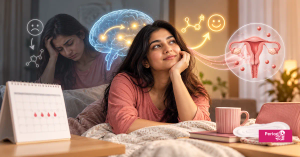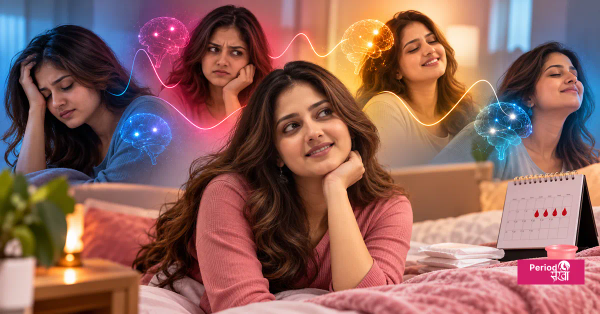

Tanu usually looked forward to her evening walk. It helped her unwind after work, listen to music and feel better after a busy day but a few days before her period, she noticed a change. Getting ready for the walk felt like a task. Her favourite songs did not lift her mood as much, and she kept reaching for snacks while scrolling through her phone. She was not exactly sad. She simply did not feel as interested in things she normally enjoyed.
When her period arrived, she began to wonder whether her menstrual cycle could be affecting her motivation. Many women notice changes in their energy, appetite, concentration and interest in everyday activities around their periods. These experiences can have several causes, including hormonal changes, discomfort, sleep and stress. One brain chemical researchers are interested in is dopamine. It plays an important role in motivation, learning and the way we respond to rewards.
Dopamine is a chemical messenger that helps nerve cells communicate. It is involved in several brain functions, including motivation, learning, attention and movement.
You may have heard dopamine described as the “pleasure chemical”. That description is incomplete. Dopamine is not simply responsible for making you happy. It also helps your brain learn which experiences are rewarding and whether something is worth the effort.
Think about completing a difficult task at work. You may feel motivated because you expect the result to be rewarding. When you finally finish it, the sense of achievement may encourage you to take on a similar task again.
Dopamine helps the brain learn from experiences like these.
It is also involved in how we respond to food, social interaction, music and other rewarding experiences. However, pleasure does not depend on dopamine alone. Several brain chemicals and networks work together to shape how we feel.
This distinction matters when discussing periods. Feeling less motivated does not automatically mean your dopamine levels are low.
The menstrual cycle involves changes in hormones, particularly oestrogen and progesterone. These hormones do more than regulate ovulation and menstruation. They can also interact with brain systems involved in emotion, attention and reward.
Oestrogen, especially oestradiol, can influence dopamine activity in certain brain pathways. These pathways help the brain assess rewards, learn from experiences and decide how much effort to put into a task.
Progesterone and its breakdown products also influence brain activity through different mechanisms. The overall effect depends on the timing of the cycle, the brain region involved and individual differences.
Researchers have found differences in reward-related brain activity between some phases of the menstrual cycle. However, the findings are not completely consistent, and studies have often involved small groups of participants.
This means there is no simple rule that dopamine always rises before ovulation or falls during menstruation. Scientists are still learning how hormone changes relate to dopamine activity and everyday behaviour.
Every menstrual cycle is different. The following points describe possible patterns, not changes that every woman will experience.
Menstruation begins when oestrogen and progesterone levels have fallen from their levels in the previous phase of the cycle.
Some women feel comfortable carrying on with their usual routines. Others experience cramps, fatigue, headaches, disturbed sleep or low energy. These symptoms can make activities feel more difficult, even without a specific change in dopamine.
If you find it harder to start a task or feel less interested in your usual hobbies, several factors may be involved. Physical discomfort, poor sleep, stress and hormonal changes can all play a part.
It is important not to assume that your dopamine level has dropped simply because your motivation feels different.
During the follicular phase, which starts on the first day of menstruation and continues until ovulation, oestrogen levels generally rise as a follicle develops in the ovary.
Some research suggests that reward-related brain activity may differ during this phase compared with other parts of the cycle. However, these findings do not mean every woman will feel more energetic, confident or productive after her period.
You may notice that concentrating becomes easier or that you feel more ready to return to your routine. Another woman may not notice any change at all.
Your sleep, workload, physical health and personal circumstances still matter.
Ovulation is the point when an ovary releases an egg. Oestrogen rises before ovulation, while other hormones also change around this time.
Because oestrogen can influence dopamine-related pathways, researchers have investigated whether the brain's response to rewards changes near ovulation.
Some studies have reported differences in activity in brain areas involved in reward processing during the follicular phase. However, the evidence does not establish that ovulation causes a universal increase in motivation, confidence, sexual desire or happiness.
If you feel more sociable or energetic at certain points in your cycle, tracking your own experience may help you recognise a pattern without assuming that hormones are the only explanation.
The luteal phase begins after ovulation and ends when the next period starts. Progesterone rises during this phase and falls if pregnancy does not occur. Oestrogen also changes during this time.
Some women experience premenstrual symptoms, such as irritability, tiredness, food cravings, difficulty concentrating or changes in mood.
Research has explored whether changes in the brain's reward system contribute to some of these experiences. One small human study found stronger responses in a reward-related brain region during the premenstrual phase than during the follicular phase. This shows why the relationship is more complex than simply saying dopamine decreases before a period.
The research is still developing. There is no reliable way to predict how your dopamine activity will change from your cycle dates alone.
You may find yourself wanting chocolate, crisps or other comfort foods before or during menstruation. It is tempting to blame these cravings on dopamine, but the explanation is more complicated.
Dopamine helps the brain learn about rewarding experiences and can contribute to the desire to seek them out. Food cravings, however, are influenced by many factors, including appetite, hormones, habits, emotions, sleep and the availability of food.
If you reach for chocolate when you feel tired or stressed, that does not mean you have a dopamine deficiency. It may simply be a familiar way of seeking comfort or energy.
You do not need to feel guilty about enjoying a favourite food. Try to eat regular, satisfying meals and include sources of protein, fibre and healthy fats. These can help you stay full and support your overall nutritional needs.
If you notice a repeated pattern of intense cravings, record when they occur and whether they affect your daily routine.
You cannot control every hormonal change, and you do not need to be equally productive every day. A few practical habits may help you manage your energy and maintain a routine that works for you.
Keep your goals small. If a large task feels overwhelming, divide it into smaller steps. Starting with five minutes of work or a short walk may feel more manageable than trying to complete everything at once.
Protect your sleep. Aim for a regular sleep schedule. Poor sleep can affect attention, motivation and emotional regulation, so rest is an important part of looking after yourself.
Eat regularly. Include balanced meals and snacks according to your hunger. Restricting food to compensate for cravings may leave you feeling more tired or hungry.
Choose comfortable movement. Walking, stretching or gentle exercise may help some women feel better. Adjust the intensity if you have cramps or fatigue.
Make room for enjoyable activities. You do not have to wait until you feel highly motivated to listen to music, meet a friend or spend time on a hobby. Sometimes beginning with a small, pleasant activity makes it easier to continue.
Track your patterns. For two or three cycles, note your period dates, energy, sleep, mood, cravings and concentration. This can help you identify whether changes occur repeatedly at a particular time.
These habits support general well-being. They are not a way to measure dopamine or guarantee that its activity will change.
Changes in motivation can happen for many reasons. However, persistent low mood, loss of interest in activities, severe anxiety or difficulty managing everyday life should not automatically be attributed to your period.
Premenstrual syndrome (PMS) can cause emotional and physical symptoms before menstruation. A more severe condition called premenstrual dysphoric disorder (PMDD) can cause significant mood symptoms that interfere with work, relationships and daily activities.
If symptoms follow a repeated pattern or affect your quality of life, speak with a healthcare professional. A symptom diary can help them assess what is happening and discuss appropriate treatment.
If low mood or loss of interest continues throughout the month, it is also worth seeking advice rather than assuming it is only a menstrual-cycle issue.
Dopamine helps the brain respond to rewards, learn from experiences and decide which activities deserve our effort. Menstrual hormones can interact with these brain systems, but the science is still developing. Feeling less motivated before or during your period does not mean you are lazy, and it does not prove that your dopamine levels are low. Your experience may reflect a combination of hormonal changes, sleep, discomfort, stress and daily demands.
Instead of expecting your body and mind to feel the same every day, pay attention to your own patterns. Give yourself the support you need, and seek help if symptoms become difficult to manage. At PeriodSakhi, conversations about women's health extend beyond bleeding and cramps. Learning how the menstrual cycle may relate to the brain, behaviour and emotional well-being is another step towards understanding the body with greater confidence.
Your cycle is worth understanding, but it should never be used to limit what you believe you can do.
Dreher, J. C. et al. (2007). Menstrual cycle phase modulates reward-related neural function in women. Proceedings of the National Academy of Sciences. https://pubmed.ncbi.nlm.nih.gov/17267613/
Ossewaarde, L. et al. (2011). Changes in functioning of mesolimbic incentive processing circuits during the premenstrual phase. Social Cognitive and Affective Neuroscience. https://pmc.ncbi.nlm.nih.gov/articles/PMC3190201/
Sakaki, M. and Mather, M. (2012). How reward and emotional stimuli induce different reactions across the menstrual cycle. Social and Personality Psychology Compass. https://pubmed.ncbi.nlm.nih.gov/22737180/
American College of Obstetricians and Gynecologists (ACOG). Premenstrual Syndrome (PMS). https://www.acog.org/womens-health/faqs/premenstrual-syndrome-pms
Royal College of Obstetricians and Gynaecologists (RCOG). Managing premenstrual syndrome (PMS). https://www.rcog.org.uk/for-the-public/browse-our-patient-information/managing-premenstrual-syndrome-pms/
Dr. Shreya Karan is a dedicated oral and maxillofacial surgeon who brings over ten years of experience to her practice, combining surgical expertise with genuine care for her patients. She is dedicated to empowering women with accurate, evidence-based health information, helping them make informed decisions about their well-being.
About PeriodSakhi
PeriodSakhi is your trusted companion for understanding your menstrual health. With easy-to-use tools, it helps you track your periods, ovulation, fertility, moods, and symptoms, while providing insights into your overall reproductive and hormonal health. PeriodSakhi also serves as a supportive online community where women can share experiences, find reliable information, and access expert-backed guidance on menstrual health, PCOS, pregnancy, lifestyle, and more.
Disclaimer
The views, thoughts, and opinions expressed in this article/blog are solely those of the author and do not necessarily reflect the views of PeriodSakhi. Any omissions, errors, or inaccuracies are the responsibility of the author. PeriodSakhi assumes no liability or responsibility for any content presented. Always consult a qualified medical professional for specific advice related to menstrual health, fertility, pregnancy, or related conditions.