
— A reminder every woman deserves to hear
For years, many Indian girls have grown up hearing that periods are a time to “slow down,” avoid certain activities, or simply tolerate discomfort. Many are told not to exercise, not to go outside, or to accept severe pain as a normal part of being a woman.
But today, conversations around menstrual health are changing. Women athletes, professionals, and fitness enthusiasts are showing that periods do not have to stop dreams, goals, or daily routines. The focus is not on ignoring the body but understanding it.
Indian sports icons such as P. V. Sindhu and Mary Kom have spoken about the importance of discipline, fitness, and listening to the body while managing the challenges that come with being a female athlete. Many Indian women athletes have highlighted that menstruation is a natural biological process, and with proper nutrition, training adjustments, and self-care, women can continue performing at their best.
For everyday women too, the same principle applies. Whether you are a college student attending classes, a working professional managing deadlines, or someone balancing home responsibilities, the right food choices during your menstrual cycle can make a noticeable difference in energy levels, mood, and comfort.
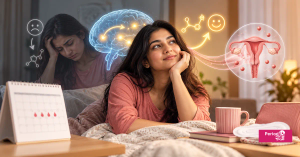
During menstruation, hormone levels such as estrogen and progesterone decrease. These hormonal changes can influence energy, appetite, digestion, and emotions.
Common period-related concerns include:
Fatigue and low energy
Abdominal cramps
Bloating
Food cravings
Mood changes
Headaches
Feeling more tired than usual
While food cannot completely eliminate menstrual symptoms, a balanced diet can support the body and help manage discomfort.
Menstruation involves blood loss, and the body requires adequate nutrients to maintain energy and support normal functions. Iron, protein, magnesium, calcium, and essential vitamins play important roles during this time.
A period-friendly diet focuses on:
Maintaining stable energy levels
Supporting iron stores
Reducing inflammation
Improving digestion
Preventing excessive fatigue
Instead of restricting food during periods, the goal should be to nourish the body.
Iron is essential for making haemoglobin, the protein responsible for carrying oxygen in the blood. Women with heavy menstrual bleeding may be at higher risk of iron deficiency, which can contribute to tiredness and weakness.
Indian foods rich in iron include:
Spinach (palak)
Lentils (dal)
Chickpeas (chana)
Kidney beans (rajma)
Sesame seeds (til)
Dates
Jaggery (in moderation)
Lean meat and eggs, if consumed
Pairing iron-rich foods with vitamin C sources such as lemon, oranges, amla, or tomatoes improves iron absorption.
A simple Indian meal idea:
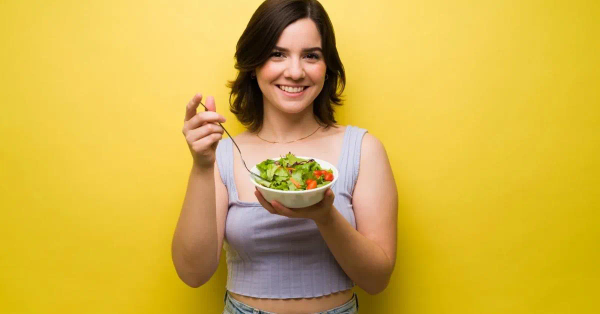
Dal + green vegetables + roti + lemon salad
This provides a combination of iron, protein, and vitamin C.
Hormonal fluctuations during periods can increase cravings, especially for sugary foods. Including protein in meals can help maintain stable blood sugar levels and keep you fuller for longer.
Good protein options include:
Paneer
Curd
Milk
Eggs
Dal
Sprouts
Soy products
Nuts and seeds
For women who work out, protein becomes especially important because it supports muscle recovery and strength.
Magnesium plays a role in muscle function and may help support relaxation of muscles involved in menstrual cramps.
Sources include:
Dark chocolate with high cocoa content
Almonds
Pumpkin seeds
Bananas
Whole grains
Green leafy vegetables
A small portion of dark chocolate can satisfy cravings while providing magnesium.
Healthy fats are important for hormone production and overall health.
Include:
Walnuts
Flaxseeds
Chia seeds
Peanuts
Ghee in moderate amounts
Healthy cooking oils
Omega-3 fatty acids found in certain foods may also support the body’s natural inflammatory response.
Many women experience bloating before or during periods due to hormonal changes affecting fluid balance.
Adequate hydration helps:
Support digestion
Reduce constipation
Maintain energy levels
Helpful options include:
Plain water
Coconut water
Buttermilk
Warm herbal drinks
Excess salty packaged foods may worsen water retention and bloating in some individuals.
One of the biggest myths around menstruation is that women should completely avoid physical activity.
However, many athletes continue training during their periods with necessary adjustments.
The approach is simple: listen to your body.
On days when energy levels are good, activities like:
Walking
Strength training
Yoga
Cycling
Light cardio
can be continued.
On days with severe cramps or fatigue, reducing intensity is completely reasonable.
As female athletes have demonstrated, periods are not a weakness. Understanding your cycle and adapting your routine can help maintain performance.
Every person responds differently to food, but some foods may worsen bloating or discomfort.
Consider limiting:
Chips, packaged snacks, and highly processed foods are often high in salt and may increase bloating.
High sugar intake may cause energy crashes and worsen cravings.
Large amounts of caffeine may increase anxiety, breast tenderness, or sleep problems in some individuals.
Many women skip meals during periods because of discomfort or busy schedules. However, inadequate nutrition can worsen fatigue and weakness.
Warm water
Breakfast: poha/upma/paratha with curd or eggs with toast
Fruit such as banana or orange
Nuts and seeds
Coconut water
Dal or paneer
Roti or rice
Vegetables
Salad with lemon
Herbal tea
Roasted chana or makhana
Light balanced meal with protein and vegetables
The exact diet depends on individual needs, activity levels, and health conditions.
Every woman’s menstrual experience is different. Some may feel energetic during periods, while others may need more rest. A healthy approach is not forcing the body to follow one rule but learning what works personally.
Tracking your cycle can help you understand:
When your energy is highest
When cravings increase
When you need more rest
How food affects your symptoms
Dietary changes can support comfort, but certain symptoms need medical attention.
Consult a healthcare professional if you experience:
Very heavy bleeding
Severe cramps affecting daily life
Extreme fatigue
Dizziness
Periods that suddenly become irregular
Symptoms of possible anemia
Severe menstrual symptoms should not simply be accepted as “normal.”
Periods are a natural part of a woman’s health journey, not a limitation. The right nutrition, hydration, movement, and self-care can help women feel stronger and more comfortable throughout their menstrual cycle.
A period-friendly diet is not about following strict rules or avoiding foods unnecessarily. It is about giving your body the nutrients it needs during a time of hormonal change.
From young girls experiencing their first periods to women managing careers, fitness goals, and family responsibilities, understanding menstrual health empowers women to take better care of themselves.
Your period is not something that holds you back. With awareness and proper care, it can simply become another rhythm your body knows how to handle.
Iacovides S, Avidon I, Baker FC. What we know about primary dysmenorrhea today: a critical review. Human Reproduction Update. 2015;21(6):762–778. Available through PubMed.
Gaskins AJ, Chavarro JE. Diet and fertility: a review. American Journal of Obstetrics and Gynecology. Available through PubMed.
National Health Service (NHS). Period pain, menstrual health, and healthy eating guidance.
World Health Organization (WHO). Anaemia and women’s health.
American College of Obstetricians and Gynecologists (ACOG). Dysmenorrhea and menstrual health guidance.
Dr. Shreya Karan is a dedicated oral and maxillofacial surgeon who brings over ten years of experience to her practice, combining surgical expertise with genuine care for her patients. She is dedicated to empowering women with accurate, evidence-based health information, helping them make informed decisions about their well-being.
About PeriodSakhi
PeriodSakhi is your trusted companion for understanding your menstrual health. With easy-to-use tools, it helps you track your periods, ovulation, fertility, moods, and symptoms, while providing insights into your overall reproductive and hormonal health. PeriodSakhi also serves as a supportive online community where women can share experiences, find reliable information, and access expert-backed guidance on menstrual health, PCOS, pregnancy, lifestyle, and more.
Disclaimer
The views, thoughts, and opinions expressed in this article/blog are solely those of the author and do not necessarily reflect the views of PeriodSakhi. Any omissions, errors, or inaccuracies are the responsibility of the author. PeriodSakhi assumes no liability or responsibility for any content presented. Always consult a qualified medical professional for specific advice related to menstrual health, fertility, pregnancy, or related conditions.