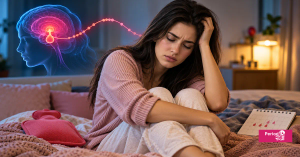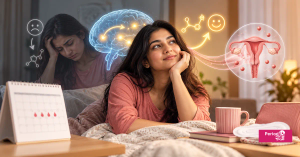

The menstrual cycle is not just a biological rhythm; it is also deeply connected to emotional health. Many women notice patterns in mood, energy, and relationships that follow their cycle. For example, irritability may rise during the premenstrual phase, while creativity and confidence may peak during ovulation. Journaling provides a safe, reflective space to capture these shifts, understand triggers, and create strategies for emotional well-being.
Unlike casual writing, guided journaling uses specific prompts to explore thoughts and feelings. This approach helps in recognizing recurring patterns, processing stress, and practicing self-compassion. Over time, journaling builds emotional awareness, empowering women to live more in tune with their cycles rather than feeling controlled by them.
Writing about emotions allows the brain to process them more clearly. Instead of being overwhelmed by irritability, sadness, or anxiety, journaling creates distance and perspective, which eases emotional intensity.
Recording emotions alongside cycle phases helps identify recurring themes. A woman may realize that she feels more anxious during the luteal phase or more motivated during the follicular phase. Recognizing these rhythms allows proactive planning.
The act of writing itself is calming. Journaling slows racing thoughts, lowers stress hormones, and encourages mindfulness. It acts as a non-judgmental outlet for worries and frustrations.
Putting feelings into words reduces self-criticism. Women often discover that their emotions are not “random” but biologically and psychologically linked to their cycle. This awareness fosters kindness toward oneself.
Some women prefer pen and paper for its personal touch, while others enjoy digital journaling apps. Both are effective; the choice depends on what feels comfortable and sustainable.
Even 10 minutes a day can make a difference. Many women journal at night to reflect on the day, while others prefer mornings to set intentions.
Since journaling is deeply personal, it is important to ensure privacy. Keeping the journal in a trusted place or using a password-protected app encourages openness.
Journaling works best when thoughts are expressed freely without worrying about grammar or structure. The aim is self-expression, not perfection.
The body is shedding the uterine lining, and energy levels are often low. Emotions may lean toward introspection.
How am I feeling physically and emotionally today?
What do I need most right now—rest, support, or solitude?
What can I let go of, just as my body is letting go this cycle?
In what ways can I show myself compassion during these days?
Hormones rise, energy returns, and creativity often blossoms. This is a time of renewal.
What goals or projects excite me right now?
Where do I feel most energized and motivated?
How can I use this energy to support my long-term dreams?
What positive habits would I like to begin during this phase?
Estrogen peaks, bringing confidence, sociability, and emotional openness.
How am I expressing myself in relationships right now?
Who do I feel most connected to, and why?
What makes me feel confident and radiant today?
How can I channel this energy into nurturing myself and others?
Progesterone rises, and PMS symptoms may appear. Emotional sensitivity is heightened.
What emotions are strongest for me right now?
Which situations or people feel most triggering during this phase?
How can I comfort myself when I feel irritable or anxious?
What boundaries would help me protect my peace this week?
What is one emotion I felt strongly today, and what triggered it?
How did I respond to stress, and what could I try differently?
Which thoughts keep repeating, and what do they reveal about my needs?
What three things made me smile today?
Who supported me this week, and how can I show appreciation?
What small joys can I notice in my daily life right now?
What am I holding onto that I want to release?
If my body could speak, what would it ask for today?
What would I say to my younger self to comfort her?
In what ways can I be kinder to myself during difficult days?
What would I say to a friend who felt the way I do now?
How can I remind myself that my emotions are valid and temporary?
Before writing, take a few deep breaths or do a short meditation. This clears mental clutter and helps focus on authentic emotions.
Noting physical symptoms such as cramps, bloating, or headaches alongside emotions provides a holistic picture of cycle health.
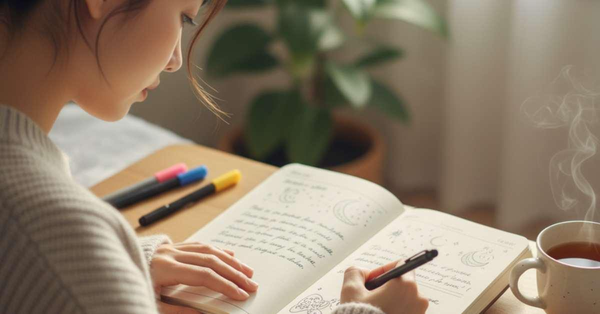
Some women include sketches, doodles, or colors to capture emotions visually. Creativity can make journaling more engaging and expressive.
Looking back at past entries highlights growth and recurring cycles. It builds self-understanding and reinforces that emotions are temporary phases.
While journaling helps with menstrual-related emotions, its benefits extend to overall mental health. Regular journaling improves problem-solving, strengthens self-identity, and enhances resilience in daily life. It can also be a powerful tool during major life transitions such as exams, career changes, or relationships.
Though journaling is highly therapeutic, it may not replace professional help for women experiencing severe PMS, PMDD, or underlying mental health conditions. Warning signs that call for professional support include:
Persistent sadness or hopelessness
Severe anxiety or panic attacks
Thoughts of self-harm
Inability to manage daily responsibilities
In such cases, a gynecologist, psychologist, or psychiatrist can provide additional support through therapy, medication, or lifestyle guidance.
Journaling is more than a writing exercise, it is a form of self-care, emotional exploration, and cycle awareness. By using guided prompts, women can uncover patterns in their emotions, release stress, and cultivate self-compassion. Over time, journaling becomes a trusted companion that helps women not only manage cycle-related emotions but also deepen their overall emotional intelligence. Each page written is a step toward understanding the body, honoring emotions, and living in harmony with the natural rhythm of the menstrual cycle.
About PeriodSakhi
PeriodSakhi is your trusted companion for understanding your menstrual health. With easy-to-use tools, it helps you track your periods, ovulation, fertility, moods, and symptoms, while providing insights into your overall reproductive and hormonal health. PeriodSakhi also serves as a supportive online community where women can share experiences, find reliable information, and access expert-backed guidance on menstrual health, PCOS, pregnancy, lifestyle, and more.
Disclaimer
The views, thoughts, and opinions expressed in this article/blog are solely those of the author and do not necessarily reflect the views of PeriodSakhi. Any omissions, errors, or inaccuracies are the responsibility of the author. PeriodSakhi assumes no liability or responsibility for any content presented. Always consult a qualified medical professional for specific advice related to menstrual health, fertility, pregnancy, or related conditions.