Wondering if fasting during periods is safe? Learn how fasting affects hormones, menstrual cramps, iron levels, energy, ...

Learn how quick meal prep can support a healthy menstrual cycle with easy breakfast, lunch, dinner, and snack ideas. Dis...


Regular exercise benefits your health, but poor gym hygiene can increase the risk of fungal infections. Learn about 10 c...
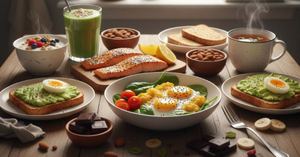
Nutrition and physical activity play a powerful role in supporting menstrual health and hormonal balance. What you eat and how you move your body can influence energy levels, mood, metabolism, and the overall health of your menstrual cycle.
This section explores how nutrition and exercise can help support different phases of the menstrual cycle and improve overall wellbeing.
Balanced nutrition provides essential nutrients that support hormone production, reduce inflammation, and help maintain stable energy levels throughout the month. Foods rich in vitamins, minerals, healthy fats, and protein can help reduce common menstrual symptoms such as fatigue, cramps, and mood changes.
Physical activity is another important factor in menstrual health. Exercise can improve circulation, support hormonal balance, boost mood, and reduce stress levels. Different types of workouts may feel more suitable during certain phases of the menstrual cycle.
Here you will find practical tips on cycle-friendly workouts, nutrient-rich foods, healthy meal ideas, and strategies to manage cravings and energy changes.
By aligning nutrition and movement with your body’s natural rhythms, it becomes easier to maintain both physical health and hormonal balance.