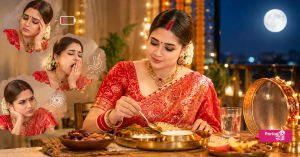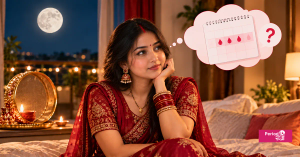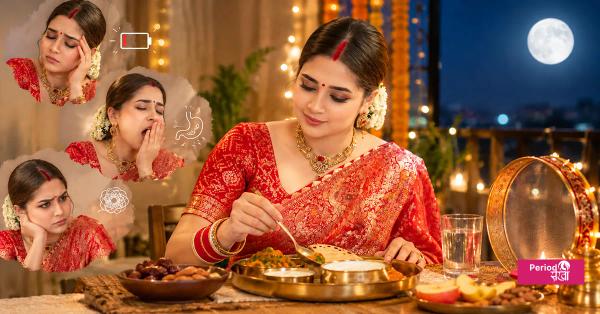

Karva Chauth is a day filled with traditions, prayers and anticipation. For many women, the wait for moonrise also means spending several hours without food or water. By evening, you may feel excited to complete the ritual but also tired, hungry or unusually irritable.
Imagine Riya, who has been fasting since sunrise. She has spent the day getting ready for the evening, speaking to family and completing household work. As the hours pass, she develops a headache, feels short-tempered and finds it difficult to concentrate. When the moon finally appears, she is tempted to eat everything in front of her.
Riya’s experience is not unusual. Going without food for many hours can affect your energy, hydration, mood and appetite. The good news is that a few simple steps can help you feel more comfortable when it is time to break your fast. At PeriodSakhi, we talk about women’s health beyond periods. Understanding hunger, energy changes and the body’s response to fasting is another part of caring for yourself.
Your body needs a steady supply of energy to support everyday activities, including walking, thinking, maintaining body temperature and keeping your organs working.
After a meal, your body uses nutrients from food to meet these needs. During a fast, it gradually relies more on stored energy. Your liver helps maintain blood glucose, which is an important source of energy for the brain and other tissues.
How you feel during fasting depends on several factors, including what you ate before sunrise, how active you are, the weather, your sleep and your general health.
You may notice:
Hunger pangs or an empty feeling in your stomach.
Tiredness, weakness or difficulty concentrating.
Headaches, particularly if you are dehydrated or have missed your usual caffeine intake.
Irritability or changes in mood.
Dizziness, especially when standing up quickly.
These symptoms do not occur in everyone. They also do not automatically mean that your blood sugar is dangerously low. In people without diabetes, the body usually maintains blood glucose through its normal regulatory mechanisms. However, prolonged fasting can be risky for people taking certain diabetes medicines or those with specific medical conditions.
If you feel faint, confused, severely weak or seriously unwell, do not force yourself to continue fasting. Seek medical assistance when needed.
Have you ever noticed that you become impatient when you are very hungry? There is a reason this can happen. Your brain needs energy to function properly, and hunger is also influenced by hormones and signals from your digestive system. Ghrelin, often called the hunger hormone, rises around usual meal times and helps signal that your body needs food.
At the same time, tiredness, thirst, heat and a lack of sleep can make it harder to manage emotions. If you are already stressed or busy with festival preparations, these factors may add to your frustration. This does not mean that fasting will make every woman irritable. Some women feel perfectly comfortable, while others notice changes in mood or concentration.
What can you do?
Keep your evening as relaxed as possible. Avoid scheduling strenuous work just before breaking your fast. If you feel irritated, pause before reacting to a family member, sit somewhere comfortable and give yourself time to rest.
Once you have broken your fast and had some water and food, your hunger-related discomfort may improve. If mood changes are severe, persistent or regularly interfere with your daily life, speak with a healthcare professional.
If you have gone without water throughout the day, rehydration should be one of your first priorities.
Drink water slowly when you break your fast. You do not need to drink several glasses at once. Drinking a large volume quickly can make you feel bloated or nauseated, and it does not instantly correct dehydration.
Water is usually sufficient for rehydration after an ordinary day’s fast. An oral rehydration solution (ORS) may be needed if you have significant fluid loss, such as from vomiting or diarrhoea, but it is not routinely necessary after every fast.
Be mindful of symptoms such as persistent dizziness, a very dry mouth, a racing heartbeat or unusually little urine. These can be signs of dehydration that require attention.
If you have kidney disease, heart failure or a medical condition requiring fluid restriction, follow your clinician’s advice about how much you should drink.
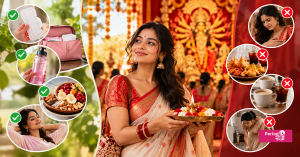
After a long period without food, it is natural to want a large, rich meal. However, eating slowly and choosing a balanced meal can help you avoid unnecessary discomfort.
Start with a small amount of food and then continue with a regular meal according to your appetite.
Choose carbohydrates for energy. Roti, rice, oats or other grains provide carbohydrates that the body can use for energy.
Include protein. Dal, curd, paneer, eggs, beans, chicken or fish can help make your meal more filling and support normal body functions.
Add fruit and vegetables. These provide fibre, vitamins and minerals. Bananas, oranges, cooked vegetables and other familiar foods are easy options to include.
Include some healthy fats. Nuts, seeds or a modest amount of oil can make a meal satisfying without requiring a very large portion.
You do not need a special recovery diet after Karva Chauth. A normal, balanced meal that suits your appetite and digestive comfort is usually enough.
There is no single food that every woman must avoid after fasting. Your own tolerance matters, but some choices may worsen discomfort.
A very large meal eaten quickly can cause fullness, bloating or nausea. Fried foods and rich gravies may feel heavy for some people. Very salty foods can increase thirst, while sugary drinks may add a lot of sugar without providing the same nutritional value as a balanced meal.
If you drink tea or coffee every day, missing your usual caffeine intake may contribute to a headache. However, drinking a large amount of strong coffee immediately after fasting may cause palpitations, acidity or discomfort in some people.
Try not to compensate for the day’s fast by eating far beyond your usual needs. You do not need to finish every dish prepared for the celebration. Eat until you feel comfortably satisfied, and have more later if you are hungry.
Breaking your fast is only the first step. Your body may need time to recover from a long day without food or water.
Rest for a while. Sit down after eating if you feel tired or light-headed.
Drink fluids gradually. Continue drinking water over the evening rather than consuming a large amount at once.
Avoid intense exercise. Give yourself time to recover, particularly if you have experienced weakness or dizziness.
Get enough sleep. Late-night celebrations can reduce sleep, which may leave you more tired the following morning.
Return to your usual meals. There is no need to skip breakfast or restrict food the next day to compensate for the festival meal.
If you are still dizzy, confused, unusually weak or unable to keep fluids down, seek medical care rather than assuming you simply need more rest.
Fasting is not equally safe for everyone. Women who have diabetes, a history of eating disorders, kidney disease or conditions requiring regular food or medicines should seek individual medical advice before undertaking a strict fast.
Pregnant and breastfeeding women may also have different nutritional and hydration needs. If you are pregnant, have a history of fainting or regularly experience severe headaches, discuss fasting with your healthcare professional beforehand.
If you take insulin or medicines that can lower blood glucose, fasting can increase the risk of hypoglycaemia. Warning signs may include sweating, shaking, palpitations, confusion and weakness. Follow your prescribed medical plan and seek urgent help if symptoms are severe.
Your health should not be put at risk to complete a ritual. If you become seriously unwell, break the fast and get help.
Karva Chauth is meaningful for many women because of the love, faith and traditions associated with it. But completing a fast should not mean ignoring your body’s needs.
Hunger, fatigue and irritability can happen after many hours without food or water. Drinking water gradually, eating a balanced meal, resting and allowing yourself time to recover can make the evening more comfortable.
Remember Riya, who began the day excited about the festival but ended up feeling exhausted. With a little preparation and a gentler approach to breaking her fast, she can enjoy the celebrations without putting unnecessary pressure on herself.
You can honour a tradition and care for your health at the same time. Your body deserves nourishment, patience and kindness, not punishment for feeling hungry.
At PeriodSakhi, we believe women’s health includes every small decision that helps you feel safer, stronger and better informed. This Karva Chauth, let self-care be part of the celebration, too.
National Health Service (NHS). Dehydration.
National Institute of Diabetes and Digestive and Kidney Diseases (NIDDK). Low blood glucose (hypoglycemia).
Harvard T.H. Chan School of Public Health. The Nutrition Source: Healthy Eating Plate.
Cleveland Clinic. Ghrelin: The hunger hormone.
About PeriodSakhi
PeriodSakhi is your trusted companion for understanding your menstrual health. With easy-to-use tools, it helps you track your periods, ovulation, fertility, moods, and symptoms, while providing insights into your overall reproductive and hormonal health. PeriodSakhi also serves as a supportive online community where women can share experiences, find reliable information, and access expert-backed guidance on menstrual health, PCOS, pregnancy, lifestyle, and more.
Disclaimer
The views, thoughts, and opinions expressed in this article/blog are solely those of the author and do not necessarily reflect the views of PeriodSakhi. Any omissions, errors, or inaccuracies are the responsibility of the author. PeriodSakhi assumes no liability or responsibility for any content presented. Always consult a qualified medical professional for specific advice related to menstrual health, fertility, pregnancy, or related conditions.