
“The greatest wealth is health.” — Virgil
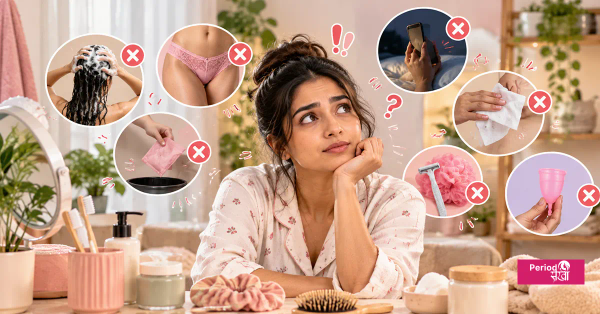
Personal hygiene is very important for all of us. We all have grown up hearing various things from our parents, like wash properly, take shower everyday. Change your clothes. Take a shower. Keep yourself fresh. But when it comes to intimate hygiene, the advice can become confusing. There are washes, wipes, sprays, liners, special soaps and countless products promising to keep you “fresh” all day.
As a doctor, I often see one simple problem behind all of this: many women are trying too hard to stay clean. The vagina is not supposed to be completely odourless. Vaginal discharge is not automatically a sign of poor hygiene. And the vulva does not need strong soaps or perfumes to be healthy.
Good intimate hygiene is actually much simpler. It is about understanding your body, knowing what is normal and recognising when something has changed.
The words vulva and vagina are often used as if they mean the same thing.
They do not. The vagina is the internal muscular canal. The vulva refers to the external genital area, including the labia and the skin around the vaginal opening.
This difference matters because the vagina is self-cleaning. It naturally produces discharge and maintains its own environment. You do not need to wash inside it. The external area, however, does need normal skin care. That usually means gentle washing and keeping the area comfortable and dry. ACOG recommends avoiding douching, scented products, feminine sprays and other potential irritants around the vulva.
This is one of the most common misunderstandings.
A girl may notice discharge or sweat and think, “I need to wash again.”
So she washes several times a day. Sometimes she uses soap. Sometimes she uses an intimate wash. Sometimes she scrubs because she wants to feel completely clean but the vulval skin is sensitive. Repeated washing, especially with harsh or fragranced products, can remove some of the natural protective oils from the skin and cause irritation. You may then notice dryness, itching or burning and what happens next? You wash even more because you think the area is not clean. It becomes a cycle. More irritation leads to more washing, which can lead to more irritation.
Let me say this very clearly: You do not need to clean inside your vagina.
The vagina naturally cleans itself. Some women use water, soap or vaginal douches because they believe they are removing old discharge, period blood or bacteria but this can disturb the natural vaginal environment. A healthy vagina does not need to smell like perfume, nor does it need to be “disinfected”. If you are cleaning the external area gently, you are usually doing enough.
The words “feminine hygiene” can make women feel that their normal body needs a special product.
It doesn't always. Many intimate washes are heavily marketed around freshness and odour control. But fragrance is not the same thing as cleanliness. Some scented products can irritate sensitive vulval skin.
If you do use a cleanser, a mild, fragrance-free product used externally is generally a better choice than heavily perfumed products and if plain water works comfortably for you, there is no need to add another product simply because an advertisement tells you that you need one.
This is something I wish more girls were told while growing up.
A healthy vagina can have a natural smell. That smell can also change slightly during the menstrual cycle. This does not mean that you are dirty. It does not mean that you need deodorant and it does not mean that you need to wash repeatedly. However, if the smell suddenly becomes strong or unpleasant, particularly if you also notice unusual discharge, itching, burning or pain, that is different. Instead of trying to cover the smell, speak to a healthcare professional.
Vaginal discharge is normal. It can be clear, white or slightly cloudy. Its amount and texture can change during the menstrual cycle because hormones change throughout the month and around ovulation, for example, discharge can become more noticeable and slippery. That does not mean something is wrong. So, if you see some discharge on your underwear, you do not immediately need to reach for a wipe or wash. Your body is doing something normal.
This is where knowing your own body becomes important. A change in discharge deserves attention when it is unusual for you. You should consider seeing a doctor if you notice a persistent change in colour, smell or consistency, particularly if it is accompanied by itching, burning, pain or discomfort. Different conditions can cause these symptoms, so guessing the cause yourself is not always helpful. For example, bacterial vaginosis and vaginal yeast infections can have different symptoms and require different treatment. That is why repeatedly buying an over-the-counter cream without knowing the cause may not solve the problem.
Panty liners can certainly be useful but wearing one every day simply because you are worried about normal discharge is not necessary for everyone. The vulval area stays warm, and prolonged contact with moisture, friction or certain materials can irritate sensitive skin. Some women also become so used to wearing liners that they start feeling uncomfortable without them. If you like using one, choose an unscented product and change it regularly.
But remember: A little discharge on your underwear does not mean your underwear is dirty or that your body is unhygienic.
You finish your workout.
You are tired.
You tell yourself, “I'll shower once I get home.”
And then you end up spending another hour in sweaty leggings.
We have all done it.
But sweat and prolonged moisture can irritate the skin, especially around the vulva.
Changing out of damp workout clothes and showering when possible is a simple habit that can help keep the area comfortable.
You don't need an elaborate routine.
Change. Wash gently. Dry properly. Move on with your day.
Periods can make many women more conscious about hygiene.
There is blood. There may be an odour. There may be discharge.
And suddenly, everything feels like it needs to be cleaned twice.
But menstrual blood is not dirty.
It is part of a normal biological process.
The important things are simple: change your menstrual product regularly, wash your hands before and after changing it, keep the external area clean and change out of damp underwear or clothes.
There is no need to perfume the area or scrub it repeatedly.
This is another habit that often comes from embarrassment.
Someone notices a slight smell during their period and immediately reaches for a deodorant spray but menstrual odour can be normal.
A strong or unusual smell, especially when accompanied by other symptoms, is different and may need medical attention. Do not cover a health symptom with fragrance. Find out what is causing it.
This is something I tell patients often.
You have itching.
You search online.
You decide it must be a yeast infection.
You buy an antifungal cream.
It does not improve.
Then you try another product.
The problem is that itching can have several causes. It can come from irritation, allergies, infections, shaving, friction or skin conditions.
So persistent symptoms deserve an actual medical assessment.
Sometimes the treatment is very simple.
But first, you need to know what you are treating.
If I had to simplify intimate hygiene into a few everyday habits, I would say:
Keep it gentle.
Wash the external area regularly without aggressive scrubbing.
Keep it simple.
You do not need five different products.
Keep it dry and comfortable.
Change sweaty clothes and damp underwear.
Avoid unnecessary fragrance.
Your body does not need to smell like a perfume.
Know your normal.
Understand what your usual discharge, odour and skin feel like.
Notice changes.
Persistent itching, burning, pain, unusual discharge or a new strong odour deserves attention.
Perhaps the biggest hygiene mistake is not using the wrong soap. It is believing that your natural body is somehow unclean. Women are often taught to hide body odour, discharge, period blood and pubic hair. So, we keep buying products to make our bodies look and smell less like bodies but good hygiene is not about removing every natural thing. It is about keeping yourself healthy without damaging the natural balance of your body. As doctors, we do not want women to become obsessed with being “perfectly clean”. We want them to be informed.
There is a simple rule worth remembering that your intimate area needs care, not punishment. The best hygiene routine is often the simplest one. Gentle washing. Clean hands. Fresh clothes. Regular menstrual-product changes. Breathable fabrics and knowing when something is not normal. That is enough and perhaps the most important part of intimate hygiene is not a product at all. It is knowing your body well enough to notice when it is asking for help.
Dr. Shreya Karan is a dedicated oral and maxillofacial surgeon who brings over ten years of experience to her practice, combining surgical expertise with genuine care for her patients. She is dedicated to empowering women with accurate, evidence-based health information, helping them make informed decisions about their well-being.
About PeriodSakhi
PeriodSakhi is your trusted companion for understanding your menstrual health. With easy-to-use tools, it helps you track your periods, ovulation, fertility, moods, and symptoms, while providing insights into your overall reproductive and hormonal health. PeriodSakhi also serves as a supportive online community where women can share experiences, find reliable information, and access expert-backed guidance on menstrual health, PCOS, pregnancy, lifestyle, and more.
Disclaimer
The views, thoughts, and opinions expressed in this article/blog are solely those of the author and do not necessarily reflect the views of PeriodSakhi. Any omissions, errors, or inaccuracies are the responsibility of the author. PeriodSakhi assumes no liability or responsibility for any content presented. Always consult a qualified medical professional for specific advice related to menstrual health, fertility, pregnancy, or related conditions.