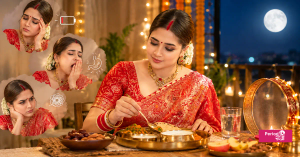
Wondering if fasting during periods is safe? Learn how fasting affects hormones, menstrual cramps, iron levels, energy, and overall reproductive health. This medically reviewed guide explains when fasting may be safe, when it should be avoided, and practical nutrition tips for women during menstruation.

“A woman’s body is not designed to be pushed through discipline alone. It thrives on balance.”
Fasting has been practiced for centuries for religious, cultural, and health reasons. In recent years, intermittent fasting has also gained popularity for metabolic benefits. However, when fasting intersects with menstruation, many women are left confused, guilty, or misinformed. Is fasting safe during periods? Does it disturb hormones? Should women push through discomfort? Or is resting healthier?
Menstruation is a hormonally regulated process involving the brain (hypothalamus and pituitary), ovaries, and uterus. A healthy cycle depends on:
Adequate calorie intake
Stable blood sugar levels
Balanced stress hormones
Proper sleep and hydration
During menstruation, the body undergoes:
Blood loss
Drop in estrogen and progesterone
Increased prostaglandins (causing cramps)
Higher nutritional requirements, especially iron and fluids
This means menstruation is already a physiologically demanding phase.
Fasting leads to predictable metabolic changes:
Depletion of glycogen stores
Shift toward fat metabolism
Reduced insulin levels
Increased cortisol (stress hormone)
While short-term fasting may be tolerated by healthy individuals, women are more hormonally sensitive to energy deficits than men. This sensitivity becomes more pronounced during menstruation.
When fasting and menstruation overlap, the body faces a dual stressor: energy restriction plus blood loss.
The answer is not the same for every woman.
Periods are light
Cycles are regular
Hemoglobin levels are normal
There is no history of fainting, eating disorders, or hormonal imbalance
Periods are heavy or painful
There is anemia or low iron
There is PCOS, thyroid disorder, or low BMI
The woman experiences dizziness, nausea, or extreme fatigue
Medically, fasting is not recommended during heavy menstrual bleeding, as it may worsen anemia, dehydration, and low blood pressure.
Blood loss combined with calorie restriction can reduce oxygen delivery to tissues, leading to weakness, headaches, and palpitations.
Low blood sugar and dehydration can increase prostaglandin activity, intensifying uterine cramps and lower back pain.
Repeated fasting during periods may suppress ovulation over time by altering the hypothalamic-pituitary-ovarian axis, especially in undernourished women.
Long-term energy deficiency can lead to delayed periods, skipped cycles, or shortened luteal phases.
Iron deficiency anemia is common among women of reproductive age, especially in India. Menstruation already contributes to iron loss. Fasting without proper nutritional compensation can:
Reduce iron absorption
Delay hemoglobin recovery after periods
Increase breathlessness and paleness
Women with known anemia should avoid fasting during periods unless medically supervised.
Fact: Ignoring physiological needs can worsen weakness and hormonal imbalance.
Fact: Menstrual pain is caused by real biochemical mediators and should not be dismissed.
Fact: The liver and kidneys detoxify the body, not starvation.
Fact: Hormonal manipulation can cause spotting, mood changes, cycle disruption, and should not be routine.
Many religious traditions provide exemptions for menstruating women. From a medical viewpoint, this exemption aligns with protective health principles.
Forcing fasting despite symptoms may increase stress hormones like cortisol, which can:
Worsen PMS
Increase bloating and acne
Affect sleep and emotional stability
Mental stress alone can disturb cycles.
Rest is not a lack of discipline. It is biological wisdom.
Intermittent fasting has gained attention for weight management, but in women it must be approached cautiously.
Potential menstrual effects include:
Missed periods
Luteal phase shortening
Increased PMS
Reduced ovulation in some cases
Women with regular cycles who choose intermittent fasting should avoid strict fasting during the menstrual phaseand ensure adequate nutrition in the follicular phase.
If fasting cannot be avoided, medical precautions are essential:
Prioritize iron-rich foods
Increase water intake during non-fasting hours
Avoid excessive caffeine
Include protein to stabilize blood sugar
Stop fasting immediately if dizziness or fainting occurs
Fasting should never continue at the cost of health warning signs.
If you experience any of the following symptoms while fasting during your period, break your fast and seek medical advice if symptoms persist:
Severe dizziness or fainting
Heavy menstrual bleeding requiring frequent pad changes
Rapid heartbeat or chest discomfort
Persistent vomiting or inability to drink fluids
Confusion or extreme weakness
Signs of dehydration such as dark urine or reduced urination
These symptoms may indicate dehydration, low blood sugar, anemia, or excessive physical stress that requires prompt attention.
Consult a doctor if fasting is associated with:
Severe weakness
Fainting episodes
Heavy or prolonged bleeding
Missed periods repeatedly
Sudden weight loss
Hair fall or hormonal acne
These are signs the body is under stress.
Fasting is a personal and often spiritual choice. Menstruation is a biological reality. One should never be used to suppress or punish the other.
Health is not proven by endurance of pain. It is preserved through awareness and balance.
Women do not need to justify rest during periods. From a medical standpoint, honoring menstrual needs protects long-term hormonal health, fertility, and overall well-being.
Listening to your body is not weakness.It is science.
Answer: Fasting during menstruation may be safe for some healthy women with light periods and no underlying health conditions. However, women with heavy bleeding, anemia, severe menstrual pain, or hormonal disorders should consult a healthcare professional before fasting, as fasting may worsen fatigue, dehydration, and low iron levels.
Answer: Occasional religious fasting is unlikely to affect menstrual cycles in healthy women. However, repeated or prolonged fasting that results in inadequate calorie intake or significant weight loss may disrupt hormone production, leading to delayed, irregular, or missed periods in some women.
Answer: Break your fast with water and nutrient-rich foods that replenish energy and iron stores. Include lean protein, whole grains, fruits, vegetables, and iron-rich foods such as spinach, lentils, beans, eggs, or lean meat. Pair iron-rich foods with vitamin C sources like oranges or tomatoes to improve iron absorption.
Answer: Yes. In some women, intermittent fasting may affect hormone levels, especially if calorie intake is too low. This can contribute to irregular periods, increased PMS symptoms, or changes in ovulation. Women should monitor their cycles and avoid excessive fasting if menstrual changes occur.
Answer: Women with iron deficiency anemia or heavy menstrual bleeding should generally avoid fasting during their periods unless advised by a healthcare professional. Fasting may increase fatigue, delay iron recovery, and worsen anemia symptoms.
This article is intended for educational purposes only and should not replace professional medical advice. Women with anemia, diabetes, thyroid disorders, PCOS, pregnancy, eating disorders, or other medical conditions should consult a qualified healthcare provider before fasting.
Dr. Shreya Karan is a dedicated oral and maxillofacial surgeon who brings over ten years of experience to her practice, combining surgical expertise with genuine care for her patients. She is dedicated to empowering women with accurate, evidence-based health information, helping them make informed decisions about their well-being.
About PeriodSakhi
PeriodSakhi is your trusted companion for understanding your menstrual health. With easy-to-use tools, it helps you track your periods, ovulation, fertility, moods, and symptoms, while providing insights into your overall reproductive and hormonal health. PeriodSakhi also serves as a supportive online community where women can share experiences, find reliable information, and access expert-backed guidance on menstrual health, PCOS, pregnancy, lifestyle, and more.
Disclaimer
The views, thoughts, and opinions expressed in this article/blog are solely those of the author and do not necessarily reflect the views of PeriodSakhi. Any omissions, errors, or inaccuracies are the responsibility of the author. PeriodSakhi assumes no liability or responsibility for any content presented. Always consult a qualified medical professional for specific advice related to menstrual health, fertility, pregnancy, or related conditions.