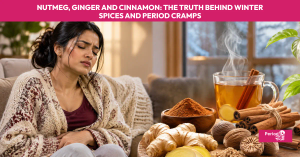

“Taking care of your menstrual health does not begin when your period arrives; sometimes, it begins with what you put on your plate every day.”
Winter brings its own comfort foods. A warm bowl of vegetable soup, a handful of roasted peanuts, seasonal oranges and a cup of ginger tea become familiar parts of everyday eating. However, for many women, the colder months also bring changes in their daily routines, including reduced physical activity, altered sleep patterns, cravings and, sometimes, increased awareness of menstrual discomfort.
Diksha and Vamika, two friends catching up over a winter afternoon, find themselves discussing something they had both noticed. “My periods have been particularly uncomfortable lately. I feel bloated, tired and unusually hungry just before my cycle begins. I have also started craving sweets more often,” Diksha says.
Vamika smiles and responds, “I have noticed something similar. My mother keeps telling me to eat sesame seeds, leafy vegetables and dry fruits during winter. She believes seasonal foods can make periods easier.” “But can food actually make a difference to menstrual pain?” Diksha asks. “Or is it just another piece of traditional advice?”
It is a reasonable question. Nutrition does influence several processes involved in menstrual health, including inflammation, muscle function, energy metabolism and the body's ability to maintain normal hormonal activity. However, no particular winter food can guarantee pain-free periods. The relationship between seasonal eating and menstrual health is better understood through nutritional science rather than food-related myths.
Menstrual discomfort, medically known as dysmenorrhoea, is commonly experienced during the first few days of menstruation. It may involve lower abdominal cramps, back pain, headaches, fatigue, nausea and changes in bowel movements. To understand why food may help, it is important to understand what happens inside the body. During menstruation, the uterine lining sheds because pregnancy has not occurred. The body produces chemical substances called prostaglandins, which encourage the uterine muscles to contract and help expel the lining.
Higher prostaglandin activity is associated with stronger uterine contractions and, consequently, more intense menstrual cramps. Nutrition may influence some of the biological processes associated with inflammation and muscle function. For instance, omega-3 fatty acids are involved in the production of signalling molecules that influence inflammatory pathways. Minerals such as magnesium and calcium also contribute to normal muscle function.
However, the relationship is not as simple as eating a particular food and immediately experiencing relief. A 2024 systematic review published in Nutrition Research Reviews examined 28 studies involving 21 different nutritional interventions. It identified potential benefits associated with certain nutrients, including vitamin D, calcium, zinc and curcumin. However, differences in study design and intervention methods meant that the evidence was not sufficiently consistent to establish a universal dietary treatment for menstrual symptoms. This distinction matters: a balanced diet can support menstrual health, but it should not be presented as a replacement for medical treatment.
Winter offers a variety of locally available foods that provide essential vitamins, minerals, fibre and healthy fats. Rather than following a restrictive menstrual diet, women can use seasonal ingredients to improve the overall nutritional quality of their meals.
“Diksha, have you ever wondered why sesame seeds are so popular during winter?” Vamika asks while preparing a bowl of roasted til ladoo.
“I thought it was mainly because they are considered warming foods,” Diksha replies.
Sesame seeds are traditionally included in winter diets in several parts of India. Their nutritional composition offers another reason to include them. They contain calcium, magnesium, iron, zinc and healthy unsaturated fats. Calcium contributes to normal muscle contraction, while magnesium is involved in muscle and nerve function.
Some clinical research has explored the relationship between calcium intake and menstrual discomfort. However, the evidence does not establish that eating sesame seeds alone can reduce period cramps. Sesame seeds can still be a useful addition to a balanced diet. They can be sprinkled over vegetables, added to chutneys or consumed in small portions as part of homemade winter snacks. Women should also remember that the calcium present in plant foods varies in bioavailability, and sesame seeds should not be treated as the only source of this mineral.
Winter is an excellent season for leafy vegetables such as spinach, fenugreek leaves (methi), mustard greens (sarson) and bathua. These vegetables provide folate, fibre, vitamin K and several minerals. Some also contribute dietary iron and magnesium. Iron deserves particular attention during menstruation because women lose a certain amount of blood with each menstrual cycle. Women experiencing heavy menstrual bleeding may be at greater risk of developing iron deficiency.
Low iron levels can contribute to fatigue, weakness, reduced concentration and breathlessness, particularly when iron-deficiency anaemia develops. Including iron-containing foods such as leafy vegetables, lentils, beans and chickpeas can help support dietary iron intake. An additional consideration is vitamin C. It improves the absorption of non-haem iron, the type of iron found in plant foods.
A simple combination could include:
Spinach or methi sabzi with lemon.
Dal with seasonal vegetables.
Chickpea salad with tomatoes and amla.
Sarson ka saag with a vitamin C-rich fruit.
“Perhaps I should stop thinking of leafy vegetables as something I eat only because they are healthy,” Diksha says.
“Exactly. They provide nutrients your body needs throughout the month, not just during menstruation,” Vamika responds.
Oranges, sweet lime, guava and amla are widely available during winter in India. These fruits are rich in vitamin C, an antioxidant that supports immune function, collagen formation and iron absorption. As mentioned earlier, vitamin C helps the body absorb non-haem iron from plant-based foods. This becomes particularly relevant for women who experience heavy periods or follow vegetarian diets.
Amla is especially valued for its vitamin C content. However, its nutritional composition can vary depending on storage, preparation and processing. Including whole fruits is generally preferable to relying on packaged juices, which may contain added sugar and provide less dietary fibre. Diksha asks, “So, having an orange with lunch could actually help my body absorb iron from my food?" “Yes. It is a practical nutritional combination, especially when your meal contains plant-based iron,” Vamika explains.
Winter snacks often include almonds, walnuts, flaxseeds, pumpkin seeds and peanuts. These foods provide a combination of healthy fats, plant protein, fibre and micronutrients. Walnuts and flaxseeds contain alpha-linolenic acid (ALA), a plant-based omega-3 fatty acid. Omega-3 fatty acids are involved in several physiological processes, including the regulation of inflammatory signalling.
Some research has investigated whether omega-3 supplementation can help women experiencing primary dysmenorrhoea. A 2024 systematic review and meta-analysis published in Nutrition & Dietetics included 12 studies involving 881 women. The findings suggested that omega-3 supplementation may reduce menstrual pain. However, the researchers also highlighted limitations in the quality of available evidence. Importantly, the findings on supplements cannot automatically be applied to ordinary food portions. Nevertheless, including walnuts, flaxseeds and other nuts in a balanced diet is a useful way to improve the intake of healthy fats. A small portion of mixed nuts or ground flaxseeds added to breakfast can be an easy dietary habit.
Few ingredients are as closely associated with winter as ginger. Whether added to tea, soups or everyday meals, ginger is commonly used for its flavour and traditional association with digestive comfort. Ginger contains bioactive compounds, including gingerols and shogaols, which have been investigated for their anti-inflammatory properties.
Some clinical studies have explored ginger supplementation for primary dysmenorrhoea and reported potential reductions in pain intensity. However, the available evidence remains limited, and the results of supplement studies should not be interpreted as proof that a cup of ginger tea will treat severe menstrual cramps.
For most people, moderate amounts of ginger used in food or beverages can be part of a varied diet. Concentrated supplements may not be appropriate for everyone, particularly those taking certain medications. Vamika suggests, “Instead of reaching for another sugary drink, why not try a cup of ginger tea when you want something warm?” Diksha agrees, although she is beginning to understand that comfort and medical treatment are not necessarily the same thing.
Winter meals frequently include sweet potatoes, carrots, oats, millets, brown rice and other whole grains. These foods provide complex carbohydrates, dietary fibre and several essential nutrients. Carbohydrates are an important source of energy, particularly when fatigue and changes in appetite occur around menstruation.
Fibre supports digestive health and helps maintain regular bowel movements. This is relevant because some women experience constipation, bloating or changes in bowel habits during different phases of their menstrual cycle. Sweet potatoes provide carbohydrates, potassium and beta-carotene, while carrots contain beta-carotene and fibre. Whole grains, oats and millets can also contribute to a more balanced meal. Rather than avoiding carbohydrates during menstruation, women should focus on the quality, quantity and overall nutritional composition of their meals.
“Something I have noticed is that my cramps feel more uncomfortable during winter. Is cold weather responsible?” Diksha asks.
Vamika responds, “I am not sure whether the weather itself causes cramps, but I do feel less active when it gets colder.” This is an important distinction. There is currently insufficient evidence to establish that low outdoor temperatures directly increase uterine contractions or worsen dysmenorrhoea.
However, certain seasonal lifestyle changes may influence how women experience discomfort. During winter, some people reduce their physical activity, spend longer periods indoors and experience changes in sleep patterns. Reduced movement may also contribute to constipation and a feeling of heaviness. Gentle physical activity, such as walking, stretching or yoga, may help improve overall well-being and support the management of menstrual discomfort.
Heat therapy is another established self-care measure. Applying a heating pad or a hot-water bottle wrapped in a towel to the lower abdomen may help relieve cramps. A warm bath or shower can also provide temporary comfort. These measures have a more established role in self-management than relying on seasonal foods alone.
A common misconception is that women need to follow a completely different diet once menstruation begins. In reality, the focus should remain on adequate nutrition, regular meals and individual food tolerance.
A practical winter eating pattern may include:
Breakfast: Vegetable poha, oats, eggs or besan chilla, accompanied by a seasonal fruit.
Mid-morning: Guava, orange, amla or a small portion of nuts.
Lunch: Dal, rice or roti, leafy vegetables and curd, depending on individual tolerance.
Evening: Ginger tea, roasted chana, peanuts or a small homemade sesame snack.
Dinner: Vegetable soup, khichdi, millet roti or another balanced meal containing protein and vegetables.
Adequate fluid intake is equally important. Women sometimes drink less water during winter because they do not feel as thirsty as they do in summer. However, hydration remains essential for normal physiological functioning. Warm water, soups and other unsweetened beverages can contribute to daily fluid intake. It is also worth limiting excessive caffeine if it aggravates sleep disturbances, anxiety or breast tenderness. Highly processed foods and excessive salt intake may contribute to bloating in some individuals. There is no need to eliminate entire food groups or follow restrictive diets during menstruation.
The growing interest in nutritional approaches to menstrual health has also increased the popularity of supplements. Calcium, magnesium, vitamin D, zinc and omega-3 supplements are frequently discussed in relation to period discomfort. Some studies suggest potential benefits, but the quality and consistency of evidence vary.
For instance, vitamin D and calcium have been investigated for their possible role in reducing menstrual symptoms. Magnesium is involved in normal muscle and nerve function, but evidence supporting its use as a specific treatment for dysmenorrhoea remains insufficient. A 2024 systematic review concluded that more robust research is needed before specific nutritional interventions can be routinely recommended for menstrual symptom management.
Women should avoid starting high-dose supplements simply because they are marketed as period-relief products. Iron supplements, in particular, should be guided by clinical assessment and, when indicated, laboratory investigations. Excess iron can be harmful. A healthcare professional can help determine whether a nutritional deficiency is present and whether supplementation is appropriate.
As their conversation continues, Diksha mentions that her cramps sometimes become severe enough to interfere with work. Vamika suggests that she should not dismiss the symptoms as a normal part of being a woman. Although mild to moderate menstrual discomfort is common, severe or progressively worsening pain deserves medical evaluation. Conditions such as endometriosis, adenomyosis and uterine fibroids can cause significant menstrual pain or heavy bleeding.
Women should consult a gynaecologist if they experience:
Period pain that interferes with daily activities or does not improve with usual treatment.
Increasingly painful periods over successive cycles.
Very heavy menstrual bleeding or bleeding lasting longer than usual.
Bleeding between periods.
Pain during sexual intercourse, urination or bowel movements.
Persistent pelvic pain outside menstruation.
Non-steroidal anti-inflammatory drugs (NSAIDs), such as ibuprofen, are commonly used to manage primary dysmenorrhoea because they reduce prostaglandin production. However, they are not suitable for everyone and should be used according to appropriate medical advice. Dietary changes should complement, not delay, the investigation and treatment of underlying gynaecological conditions.
By the end of their conversation, Diksha has a different perspective on winter eating. “I think I have been looking at food as something that should immediately fix my period discomfort. Perhaps I should focus more on eating well throughout the month,” she says. “That is probably a better approach,” Vamika replies. “Seasonal foods are not a cure, but they can help us build healthier eating habits.”
Winter provides an excellent opportunity to include nutrient-rich foods such as leafy vegetables, citrus fruits, nuts, seeds, whole grains and ginger in everyday meals. These ingredients contribute to the intake of vitamins, minerals, fibre and healthy fats that support normal bodily functions. Some nutritional interventions have shown promising results in research on menstrual discomfort, but the evidence is still developing. No single food can prevent dysmenorrhoea or correct every menstrual irregularity.
The most meaningful approach is to understand individual nutritional needs, maintain a balanced diet, stay physically active, prioritise sleep and seek medical advice when symptoms become difficult to manage. Menstrual health deserves attention throughout the year. Winter eating can be one small but valuable part of that larger commitment to women's health.
Brown N, et al. Nutritional practices to manage menstrual cycle related symptoms: a systematic review. Nutrition Research Reviews. 2024;37(2):352–375. doi:10.1017/S0954422423000227.
Snipe RMJ, et al. Omega-3 long chain polyunsaturated fatty acids as a potential treatment for reducing dysmenorrhoea pain: Systematic literature review and meta-analysis. Nutrition & Dietetics. 2024;81(1):94–106. doi:10.1111/1747-0080.12835.
Pattanittum P, et al. Dietary supplements for dysmenorrhoea. Cochrane Database of Systematic Reviews. 2016;(3):CD002124. doi:10.1002/14651858.CD002124.pub2.
American College of Obstetricians and Gynecologists (ACOG). Dysmenorrhea: Painful Periods. Available at: https://www.acog.org/womens-health/faqs/dysmenorrhea-painful-periods
National Health Service (NHS). Period Pain. Available at: https://www.nhs.uk/symptoms/period-pain/
Abu H, et al. Nutrition as a Potential Factor of Primary Dysmenorrhea: A Systematic Review of Observational Studies. Nutrients. 2019. Available at: https://pubmed.ncbi.nlm.nih.gov/30630172/
Dr. Akanksha is a dedicated dental professional and health educator who believes that healthcare goes beyond treatment-it is about creating awareness, building trust, and empowering individuals to make informed decisions about their well-being. Alongside her clinical expertise in dentistry, she is deeply passionate about public health education, with a special focus on menstrual health, hygiene, and women's wellness.
About PeriodSakhi
PeriodSakhi is your trusted companion for understanding your menstrual health. With easy-to-use tools, it helps you track your periods, ovulation, fertility, moods, and symptoms, while providing insights into your overall reproductive and hormonal health. PeriodSakhi also serves as a supportive online community where women can share experiences, find reliable information, and access expert-backed guidance on menstrual health, PCOS, pregnancy, lifestyle, and more.
Disclaimer
The views, thoughts, and opinions expressed in this article/blog are solely those of the author and do not necessarily reflect the views of PeriodSakhi. Any omissions, errors, or inaccuracies are the responsibility of the author. PeriodSakhi assumes no liability or responsibility for any content presented. Always consult a qualified medical professional for specific advice related to menstrual health, fertility, pregnancy, or related conditions.