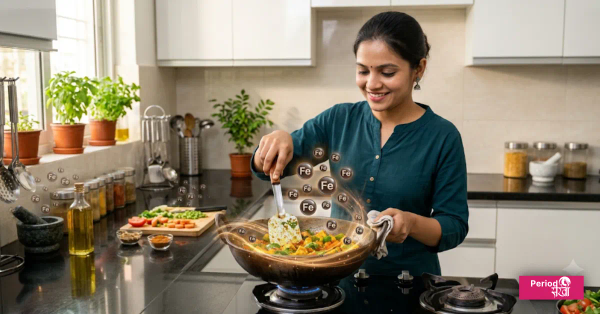

A little iron in your food may come from the pan
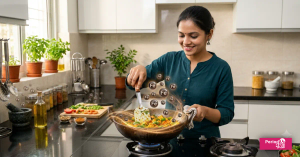
“Ma, why are you making dal in that old iron kadai? We have a perfectly good non-stick pan!” Nisha asked this one morning while watching her mother prepare breakfast. Her mother smiled. “Because this kadai has been in our kitchen for years. And did you know that cooking in cast iron may add a little iron to your food?”
Nisha looked at the pan. “Wait. The pan can actually add a nutrient to my meal?” It sounds surprising, but there is a scientific explanation behind this familiar kitchen practice. Cast-iron cookware can release small amounts of iron into food during cooking. The amount depends on what you cook, how long it cooks and the condition of the pan. So, could that old iron kadai be doing more than making delicious food?
Iron is an essential mineral. Our body needs it to make haemoglobin, a protein in red blood cells that carries oxygen from the lungs to different tissues. Iron also supports myoglobin, a protein that helps muscles store and use oxygen. It plays a role in normal energy metabolism and several other processes in the body. When the body does not have enough iron, it may not be able to make healthy red blood cells. This can lead to iron-deficiency anaemia.
Some people may experience tiredness, weakness, dizziness, headaches, pale skin or shortness of breath. These symptoms can have other causes too, so they should not be used to diagnose iron deficiency on their own. Women who menstruate may have increased iron requirements because of regular blood loss. Pregnancy also increases iron needs. However, iron deficiency can affect anyone, regardless of age or sex. “Does that mean we should all start cooking in iron pans?” Nisha asked. “Not so quickly,” her mother replied. “It can be one helpful habit, but we still need to understand how much iron we get from food.”
Here is the simple science.
Cast iron is cookware made primarily from iron. When food is heated in an uncoated cast-iron pan, a small amount of iron may move from the cooking surface into the food.
This process is called iron leaching or iron migration.
The amount released is not always the same. It can change depending on:
The acidity of the food: Acidic ingredients can encourage more iron to move into food.
Cooking time: Food cooked for longer may absorb more iron from the cookware.
Moisture: The amount of water or liquid in the food can affect iron transfer.
The cookware itself: Different pans, their surface condition and how often they have been used can influence the amount released.
A study published in the Journal of the American Dietetic Association examined foods cooked in iron and non-iron utensils. Most of the foods tested contained significantly more iron when cooked in iron cookware. The researchers also found that acidity, moisture and cooking time affected the iron content. In everyday terms, the pan does not magically turn food into an iron supplement. It may add a small amount of iron while the food cooks.
Imagine two meals being prepared in the same cast-iron pan. The first is a quick vegetable stir-fry. It cooks for a few minutes. The second is a tomato-based curry that simmers for a longer time. The second dish may receive more iron from the pan because acidic ingredients and longer cooking can increase iron release. Research has found that the acidity of food and the duration of cooking can influence how much iron transfers from cookware.
This does not mean every curry needs to be cooked for hours. It simply shows why the iron content of food cooked in cast iron can vary. Tomatoes, tamarind and other acidic ingredients may encourage iron release. But the final amount depends on the recipe, the pan and the cooking conditions and there is one more important point: iron present in food is not necessarily the same as iron absorbed by the body.
Yes, the iron released into food can be absorbed by the body. But the amount absorbed depends on several factors, including the type of iron and what else is in the meal.
Iron in food is generally described in two forms:
Heme iron is found in animal foods such as meat and fish. It is usually absorbed more efficiently.
Non-heme iron is found in plant foods, fortified foods and many other dietary sources. The iron released from cast-iron cookware is also non-heme iron.
Non-heme iron absorption can be influenced by other foods in the same meal. Vitamin C, found in foods such as amla, guava, citrus fruits and tomatoes, can help the body absorb non-heme iron.
So, a meal containing iron-rich plant foods and a source of vitamin C can be a useful combination. For example, you could prepare a dal or vegetable dish in cast iron and enjoy it with a vitamin-C-rich food as part of your meal. The aim is not to create a perfect “iron recipe”, but to make everyday meals more nourishing.
This is where we need to be careful. Cooking in cast iron may increase the iron content of some foods. A systematic review of studies on iron cookware found that some studies reported improvements in haemoglobin levels, while others showed smaller effects. The review also noted that the available research was limited and that larger, better-designed studies are needed.
That means cast-iron cookware may be a helpful dietary strategy, but it is not a guaranteed treatment for iron deficiency. If a person has iron-deficiency anaemia, the cause needs to be assessed. Heavy menstrual bleeding, low dietary intake, pregnancy, poor absorption and other medical conditions may contribute. A healthcare professional may recommend blood tests, dietary changes or iron supplements depending on the situation. A cast-iron pan can support a balanced diet. It should not replace prescribed iron treatment or medical advice.
Nisha was now interested. “So, what should I cook in it?”
Her mother laughed. “The food you already enjoy!”
You do not need to change your entire cooking routine. If you like using cast iron, you can include it in everyday meals.
A few practical ideas:
Prepare dal, vegetable curries or tomato-based dishes in a cast-iron pan.
Cook foods you already enjoy rather than choosing recipes only because they are acidic.
Pair plant-based iron sources with vitamin-C-rich foods when possible.
Continue eating a varied diet that includes iron-rich foods such as lentils, beans, chickpeas, leafy greens, seeds and fortified foods.
Use the pan according to its care instructions.
The benefit comes from a combination of food, cooking method and overall diet—not from the cookware alone.
Cast iron is durable and can be useful for many types of cooking. However, a few precautions are worth remembering. Uncoated cast iron can release more iron into acidic foods, especially when they are cooked or stored in the pan for a long time. Health Canada advises avoiding prolonged cooking or storage of acidic foods, such as stewed tomatoes, in uncoated cast iron cookware.
A well-maintained pan is important too. Follow the manufacturer's instructions for cleaning, drying and seasoning. Avoid using cookware that is damaged or has an unknown coating. More iron is not always better. People with certain conditions that cause excess iron accumulation may need to limit iron intake under medical guidance. If you have been told that your body stores too much iron, ask your healthcare professional whether iron cookware is suitable for you.
Yes. Research shows that iron can transfer from cast-iron cookware into food during cooking. The amount varies according to the food, cooking time, acidity and cookware condition.
It may contribute to dietary iron intake, and some studies have reported improvements in haemoglobin levels. However, the evidence is limited, and cast iron should not be considered a reliable treatment for anaemia.
Acidic foods and foods cooked for longer may receive more iron from the cookware. The exact amount varies, so it is not possible to promise a specific iron content for every recipe.
No. Cast iron is one option, not a nutritional requirement. A balanced diet and appropriate medical care matter more than using a particular pan.
No. If iron supplements have been prescribed, do not stop or replace them with cookware without discussing it with your healthcare professional.
By the time breakfast was ready, Nisha had a new appreciation for her mother’s old kadai.
“So the pan can add a little iron, but it cannot fix everything?”
“Exactly,” her mother said. “Good nutrition is built from the whole meal, not just the utensil.”
Cast-iron cookware can increase the iron content of some foods. The effect is influenced by acidity, cooking time, moisture and the cookware itself. It may be a useful addition to everyday cooking, particularly when combined with a varied diet that includes iron-rich foods but it is not a substitute for checking persistent symptoms, diagnosing iron deficiency or taking treatment when needed. Sometimes, a helpful nutrition habit can be as simple as using a familiar pan, preparing a nourishing meal and understanding the science behind it.
Brittin HC, Nossaman CE. Iron content of food cooked in iron utensils. Journal of the American Dietetic Association. 1986;86(7):897–901. https://pubmed.ncbi.nlm.nih.gov/3722654/
Sharma S, et al. Effect of cooking food in iron-containing cookware on increase in blood hemoglobin level and iron content of the food: A systematic review. Nepal Journal of Epidemiology. 2021;11(2):994–1005. https://pmc.ncbi.nlm.nih.gov/articles/PMC8266402/
Effect of cooking conditions on iron release from pots and development of kinetic models for iron supplementation in NIPs. Current Research in Food Science. 2024;9:100830. https://pubmed.ncbi.nlm.nih.gov/39286428/
MedlinePlus. Cooking utensils and nutrition. https://medlineplus.gov/ency/article/002461.htm
Health Canada. The safe use of cookware and bakeware. https://www.canada.ca/en/health-canada/services/household-products/safe-use-cookware.html
This article is for general educational purposes and does not replace individual medical advice.
Dr. Akanksha is a dedicated dental professional and health educator who believes that healthcare goes beyond treatment-it is about creating awareness, building trust, and empowering individuals to make informed decisions about their well-being. Alongside her clinical expertise in dentistry, she is deeply passionate about public health education, with a special focus on menstrual health, hygiene, and women's wellness.
About PeriodSakhi
PeriodSakhi is your trusted companion for understanding your menstrual health. With easy-to-use tools, it helps you track your periods, ovulation, fertility, moods, and symptoms, while providing insights into your overall reproductive and hormonal health. PeriodSakhi also serves as a supportive online community where women can share experiences, find reliable information, and access expert-backed guidance on menstrual health, PCOS, pregnancy, lifestyle, and more.
Disclaimer
The views, thoughts, and opinions expressed in this article/blog are solely those of the author and do not necessarily reflect the views of PeriodSakhi. Any omissions, errors, or inaccuracies are the responsibility of the author. PeriodSakhi assumes no liability or responsibility for any content presented. Always consult a qualified medical professional for specific advice related to menstrual health, fertility, pregnancy, or related conditions.