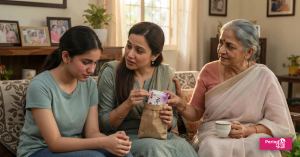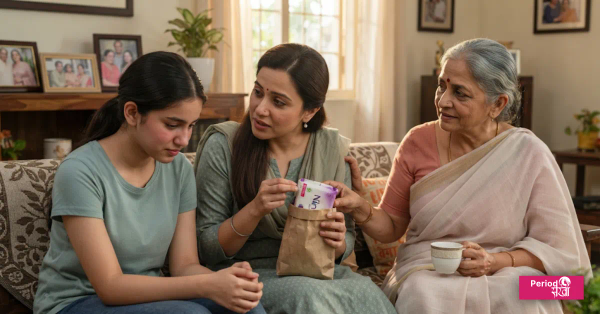

Imagine a family sitting together at the dinner table. Someone mentions that a young girl has started menstruating. Her mother quietly asks whether she needs anything, an aunt changes the subject, and another family member lowers her voice before mentioning sanitary pads. Nobody is particularly surprised by the news. Yet, the conversation happens in whispers. Now imagine a woman in her thirties trying to explain that she cannot attend a meeting because her period pain is severe. She hesitates before saying the word menstruation, eventually settling for "I'm not feeling well". A few years later, the same woman may find it equally difficult to discuss changes in her cycle, fertility or perimenopause. The circumstances are different, but the discomfort is familiar.
Menstruation is a normal biological process experienced by millions of people, yet talking about it openly can feel uncomfortable at almost every stage of life. A child may be afraid to ask what a period is. A teenager may worry about being teased. An adult may feel that menstrual symptoms are too personal to mention at work. Even women approaching menopause may struggle to find the right words for changes in their bodies.
Why does a subject so closely connected to everyday health remain difficult to discuss?
The answer is not simply a lack of information. Silence is often learnt at home, reinforced by social expectations and carried into schools, workplaces and healthcare settings. To understand period stigma, we need to look at how these conversations change as we grow older.
For many girls, the first difficulty is not menstruation itself but discovering that the subject is somehow uncomfortable for adults.
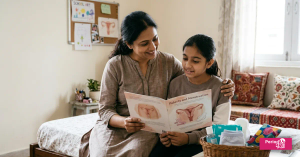
A child may notice sanitary pads in the bathroom, hear an older sister mention cramps or see an advertisement for menstrual products. Naturally, questions follow. What are periods? Why does blood come out? Will it happen to me? Sometimes, parents answer these questions openly. In other households, they postpone the conversation, use vague explanations or wait until the first period arrives.
The intention may be to protect a child from information they consider too mature. But when menstruation is introduced only after it begins, a normal developmental milestone can become a frightening surprise. A girl who sees blood on her underwear without knowing what menstruation is may assume that something is wrong. She may hesitate to tell anyone, particularly if she has already learnt that periods are not discussed openly.
This is why menstrual education should begin before menarche, the medical term for a girl's first menstrual period. Parents do not need to explain everything in one conversation. They can introduce the subject gradually, using simple language about puberty, body changes and reproductive health.
What helps: Talk about menstruation before the first period. Explain that it is a normal part of growing up, answer questions honestly and reassure children that they can always approach a trusted adult.
Adolescence brings a different kind of discomfort. A girl may understand what menstruation is and still feel anxious about discussing it.
The worry is often practical as well as social:
What if a period stain appears on her uniform?
What if she needs a sanitary pad during class?
What if her friends find out?
What if a teacher reacts awkwardly?
What if cramps make it difficult to participate in sports?
For some girls, the pressure to keep menstruation private becomes so strong that they avoid asking for help. They may wrap sanitary pads in layers of paper, hesitate to carry them openly or feel embarrassed about visiting the school nurse.
This is where the distinction between privacy and shame becomes important. A girl should be free to decide whom she tells about her period. But she should not feel that menstruation is something she must conceal at all costs.
Schools also have a role to play. Menstrual education should include more than the biological explanation of the cycle. Students need practical information about products, hygiene, pain, cycle tracking and how to seek help.
It is equally important to include boys in age-appropriate menstrual education. When boys are excluded from every conversation, periods can remain an unfamiliar subject that invites teasing rather than understanding.
What helps: Make sanitary products accessible in schools, provide clean toilets and train teachers to respond calmly. A student asking for a pad should receive the same practical support as someone asking for a bandage.
You might expect these conversations to become easier with age. After all, adults have usually experienced menstruation for years. Yet, many women continue to use indirect expressions when discussing their periods.
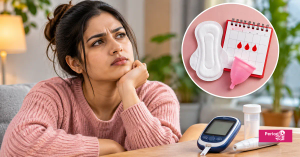
At work, someone may say they have a headache or are feeling unwell rather than explain that menstrual pain is affecting their ability to concentrate. A woman may hesitate to request a short break, adjust her schedule or consult a doctor because she does not want her symptoms to be interpreted as a lack of commitment.
At home, conversations can be equally complicated. Some women are comfortable discussing periods with their mothers or sisters but avoid the subject with their partners. Others may feel that explaining menstrual discomfort is unnecessary because it happens every month.
This silence can have consequences. When menstrual symptoms are not discussed, women may normalise severe pain, heavy bleeding or persistent fatigue without seeking medical assessment.
There is also a difference between choosing to keep personal health information private and feeling unable to disclose it because of fear of judgement. Nobody should be expected to share intimate details at work. However, workplaces can create supportive environments where someone can request reasonable practical help without having to justify their biology.
What helps: Use straightforward language when discussing health needs. Partners can learn about menstrual symptoms, while workplaces can make it easier to request breaks, access sanitary products and use appropriate facilities without unnecessary scrutiny.
Menstruation is only one part of reproductive health, but conversations often stop at the basics of bleeding and hygiene. Women may find it easier to discuss which sanitary pad they use than to ask why their periods have become irregular. Questions about PCOS, endometriosis, fertility, painful intercourse, contraception or changes in menstrual flow can feel much more difficult to raise.
There are several reasons.
Fear of judgement: A woman may worry that questions about fertility or sexual health will invite assumptions about her relationships or personal choices.
Normalising discomfort: Severe cramps, unusually heavy bleeding and cycle changes are sometimes dismissed as things women simply have to tolerate.
Limited health vocabulary: If someone has never been taught the correct names for reproductive organs or symptoms, describing what is happening can feel difficult.
Lack of supportive conversations: When families and communities avoid discussing reproductive health, women may have fewer opportunities to ask questions before a problem arises.
The result is that important symptoms can remain unspoken, including during medical consultations. A person may describe only the pain and not mention how heavy the bleeding is, how long it lasts or whether it affects everyday activities.
A useful conversation with a healthcare professional can include details such as:
The date of the last period and usual cycle pattern.
How many days bleeding lasts.
Whether bleeding is unusually heavy.
Whether pain interferes with work, sleep or daily activities.
Any bleeding between periods.
Other symptoms, such as persistent fatigue or dizziness.
Menstrual health is not limited to managing bleeding. It also includes access to accurate information, appropriate healthcare and the ability to participate in everyday life without stigma.
What helps: Encourage women to discuss symptoms without embarrassment and seek medical advice when something changes. A period-related problem does not become less important simply because it is common.
Just when a woman becomes familiar with her menstrual cycle, another transition may begin.
Perimenopause is the stage leading up to menopause, during which hormonal changes can cause menstrual cycles to become irregular. Some women experience heavier or lighter bleeding, hot flushes, night sweats, sleep disturbances, vaginal dryness and changes in mood.
Menopause is reached after 12 consecutive months without a menstrual period, when there is no other medical explanation for the absence of bleeding.
Yet, conversations about this transition are often limited. Women may hesitate to discuss hot flushes during meetings, sleep difficulties with their families or changes in sexual comfort with their partners.
Some worry that mentioning menopause will lead others to make assumptions about their age, abilities or professional relevance.
The problem is not limited to the lack of awareness about symptoms. It is also about the way ageing and women's health are discussed. Menopause is a natural life stage, not a personal failure or something that makes a woman less capable.
What helps: Make conversations about perimenopause and menopause as ordinary as conversations about puberty and periods. Women should be able to seek medical support and practical adjustments without feeling that they must hide this stage of life.
If menstruation is a normal biological process, why does the discomfort survive even when access to information and menstrual products has improved?
There is no single explanation. Several social habits reinforce one another.
Children often notice how adults behave around menstruation before they understand what it means. If sanitary pads are hidden, period-related conversations happen in whispers and menstrual stains are treated as embarrassing, they may conclude that the subject should not be discussed openly.
These small observations can shape attitudes for years.
Privacy is important, but it should not prevent someone from accessing information or asking for help. When menstruation is considered too personal to discuss even in educational or healthcare settings, misinformation can continue unchallenged.
When boys are not taught about menstruation, they may grow up knowing very little about the subject. This can make conversations between partners, fathers and daughters, or male colleagues unnecessarily uncomfortable.
Men do not need to experience menstruation to understand it. Basic knowledge can help them respond with empathy and practical support.
Many women grow up hearing that cramps are simply part of being a woman. Although mild discomfort can occur during menstruation, severe or disruptive pain deserves medical attention.
When women feel uncomfortable discussing symptoms, they may delay seeking help.
Different families and communities have their own customs around menstruation. These traditions may hold personal or religious significance. However, cultural beliefs should not be presented as medical facts.
The World Health Organization describes menstrual health as a matter involving physical, psychological and social well-being. Access to information, healthcare and freedom from stigma are all important parts of it.
Breaking the silence does not require every conversation to become a public discussion. It begins with making it easier for people to ask questions and receive accurate answers without being judged.
Where the conversation happens | What can make it easier |
|---|---|
At home | Talk about puberty before the first period and allow children to ask questions |
In schools | Include menstrual health in age-appropriate education and provide access to sanitary products |
Among friends | Avoid teasing, sharing someone's menstrual information without permission or treating stains as a joke |
In relationships | Discuss symptoms, comfort and practical support without embarrassment |
At workplaces | Provide accessible washrooms, sanitary products and respectful ways to communicate health needs |
In healthcare settings | Encourage patients to describe their symptoms openly and ask questions without feeling rushed |
A few everyday changes can also make a difference:
Use the word period or menstruation instead of relying entirely on euphemisms.
Do not make jokes about someone's menstrual cycle or mood.
Keep sanitary products in shared household spaces without treating them as something that must be hidden.
Teach boys and girls about menstruation before misconceptions become established.
Listen when someone describes pain or discomfort rather than immediately dismissing it.
Respect an individual's choice about how much of their menstrual experience they want to share.
The aim is not to remove personal boundaries. It is to ensure that those boundaries are a matter of choice rather than embarrassment or fear.
Open conversations are important, but they should also help people recognise when a symptom needs medical attention.
Consider consulting a gynaecologist if you experience:
Severe period pain that affects your daily activities.
Very heavy bleeding, particularly if you regularly soak through menstrual products quickly.
Periods that repeatedly occur less than 21 days or more than 35 days apart.
Bleeding between periods or after sexual intercourse.
A sudden and persistent change in your usual menstrual pattern.
Bleeding after menopause.
Menstrual changes can have several explanations, including hormonal fluctuations and medical conditions. A healthcare professional can help identify the cause rather than leaving you to manage symptoms based on assumptions.
1. Why do people feel embarrassed talking about periods?
Menstrual stigma, cultural taboos, lack of education and the idea that periods should remain private can all contribute to discomfort. These attitudes are often learnt at home and reinforced by schools, workplaces and society.
2. At what age should parents start talking to children about periods?
Conversations should begin before puberty and before the first period. Start with simple explanations about body changes, then introduce more details as the child grows and becomes curious.
3. Should boys also be taught about menstruation?
Yes. Age-appropriate menstrual education helps boys understand a normal biological process, reduces misconceptions and discourages teasing or discrimination.
4. Why do adult women still hesitate to discuss periods?
Some worry about being judged, appearing unprofessional or being seen as overly sensitive. Others have grown accustomed to managing symptoms privately. A more supportive environment can make it easier to discuss health needs when necessary.
5. Is it okay to discuss periods at work?
Yes. Menstruation is a health matter, and employees should be able to communicate practical needs respectfully. However, no one should be pressured to disclose personal medical details to colleagues or managers.
6. Why is menopause also difficult to discuss?
Menopause is often associated with ageing, which can carry social stigma. Women may also worry about being judged for discussing symptoms at work or in personal relationships. Accurate information and supportive conversations can help.
7. Does talking openly about periods help improve menstrual health?
It can. Open conversations help people access accurate information, recognise symptoms, seek appropriate care and challenge misconceptions. Communication is one part of menstrual health, alongside access to products, sanitation and healthcare.
A girl asking her mother about her first period, a teenager requesting a sanitary pad at school, a woman explaining her cramps to her partner or an employee discussing menopause-related symptoms should not have to overcome an unnecessary sense of embarrassment before being heard. The subject changes as we grow older, but the need for understanding remains. We cannot expect girls to feel confident about menstruation if the adults around them continue to whisper about it. We cannot expect women to seek timely care if their symptoms are routinely dismissed.
We cannot challenge period stigma while leaving boys, partners, families and workplaces outside the conversation. Talking about periods does not mean giving up privacy. It means making sure that no one is denied information, support or medical care because the subject feels uncomfortable. At PeriodSakhi, we believe menstrual awareness should continue through every stage of life, from the first signs of puberty to the transition into menopause. A period should be something a person can understand and manage, not something they feel compelled to hide.
Perhaps the real progress we need is simple: a world where saying "I'm on my period" feels no more awkward than saying "I have a headache".
World Health Organization. Menstrual Health.
World Health Organization. Statement on Menstrual Health and Rights.
UNICEF India. Challenging to Championing: My Menstruation Journey.
UNICEF India. Helping Girls Deal With Issues Around Menstruation.
Dubey and Sivakami. Open and Inclusive Communication Is Key to Managing Menstrual Health. Nature Human Behaviour, 2024.
UNFPA India. Gender Norms and the Wellbeing of Women and Girls in India: A Review.
Dr. Akanksha is a dedicated dental professional and health educator who believes that healthcare goes beyond treatment-it is about creating awareness, building trust, and empowering individuals to make informed decisions about their well-being. Alongside her clinical expertise in dentistry, she is deeply passionate about public health education, with a special focus on menstrual health, hygiene, and women's wellness.
About PeriodSakhi
PeriodSakhi is your trusted companion for understanding your menstrual health. With easy-to-use tools, it helps you track your periods, ovulation, fertility, moods, and symptoms, while providing insights into your overall reproductive and hormonal health. PeriodSakhi also serves as a supportive online community where women can share experiences, find reliable information, and access expert-backed guidance on menstrual health, PCOS, pregnancy, lifestyle, and more.
Disclaimer
The views, thoughts, and opinions expressed in this article/blog are solely those of the author and do not necessarily reflect the views of PeriodSakhi. Any omissions, errors, or inaccuracies are the responsibility of the author. PeriodSakhi assumes no liability or responsibility for any content presented. Always consult a qualified medical professional for specific advice related to menstrual health, fertility, pregnancy, or related conditions.