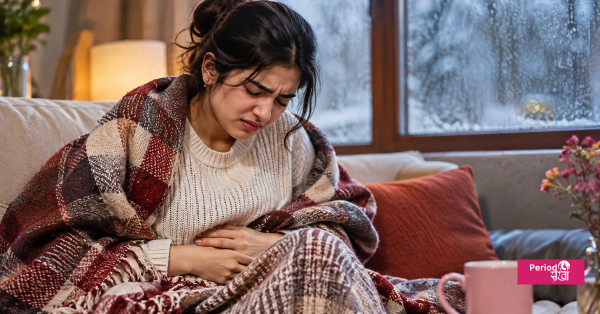

You wake up on a cold morning, your period has arrived, and the familiar lower abdominal cramps seem particularly uncomfortable. Getting out of bed feels harder, reaching for a hot water bottle becomes almost automatic, and even your usual walk may not sound appealing.
Many women notice that their periods feel more uncomfortable during winter. But does cold weather actually make menstrual cramps worse, or does the season simply change how we experience pain?
The distinction matters. There is no conclusive evidence that cold temperatures directly increase uterine contractions or make every woman's period more painful. However, changes in physical activity, sleep, mood and daily routines during winter may influence how menstrual discomfort is experienced.
Menstrual cramps are medically known as dysmenorrhoea. They usually occur when the uterus contracts to shed its inner lining during menstruation.
The main substances involved are called prostaglandins. These hormone-like chemicals are produced in the uterine lining and help the uterine muscles contract.
When prostaglandin levels are high, contractions can become stronger. This may temporarily reduce blood flow to the uterine muscle and contribute to pain.
Common symptoms include:
Cramping or aching in the lower abdomen.
Pain that spreads to the lower back or thighs.
Nausea or loose stools.
Headaches and fatigue.
Discomfort that begins shortly before or during the first few days of menstruation.
Not all menstrual pain has the same cause. Primary dysmenorrhoea occurs without an underlying pelvic condition. Secondary dysmenorrhoea is associated with conditions such as endometriosis, adenomyosis or uterine fibroids.
Cold weather is not an established direct cause of menstrual pain. However, several seasonal factors may influence comfort and pain perception.
When exposed to cold, the body tries to conserve heat. Blood vessels near the skin narrow, and muscles may become tense as part of the body's response to low temperatures.
This can contribute to a general feeling of stiffness, particularly around the back, hips and abdomen.
For someone already experiencing menstrual cramps, this additional muscular discomfort may make the overall experience feel worse. However, it is important to understand that this does not prove that cold weather increases uterine contractions or reduces blood supply to the uterus.
Winter mornings can make leaving a warm bed particularly difficult. Outdoor walks may become less frequent, and long periods of sitting indoors can become part of the routine.
Gentle movement can help some women manage menstrual discomfort. It may improve circulation, encourage muscle relaxation and support general well-being.
When activity levels fall, stiffness and discomfort may become more noticeable. This is one possible reason some women feel less comfortable during their winter periods.
You do not need an intense workout. A short indoor walk, gentle stretching or a few minutes of yoga may be enough to help you feel more comfortable.
Shorter daylight hours and changes in daily routines can influence sleep patterns and mood. Some people also experience seasonal changes in energy and motivation.
Poor sleep can affect how the body processes pain. When you are tired, even familiar discomfort may feel harder to manage.
Menstruation itself can also affect sleep, particularly when cramps, breast tenderness or headaches interrupt rest. These factors may overlap during winter.
Winter clothing, prolonged sitting and reduced movement can contribute to stiffness around the lower back and pelvic region.
This does not mean that the uterus becomes more painful because it is cold. Rather, existing menstrual discomfort may be accompanied by other sources of physical tension.
Understanding this difference helps avoid the common misconception that cold weather directly causes painful periods.
There is currently no strong clinical evidence showing that ordinary exposure to cold weather increases uterine prostaglandin production or directly causes more painful menstrual contractions.
Prostaglandins remain the primary biological explanation for most cases of primary menstrual cramps. Their levels and the body's response to them are more relevant to menstrual pain than the outdoor temperature.
Some observational research has explored an association between cold exposure and dysmenorrhoea. However, an association does not establish that cold temperatures are responsible for the pain.
More research is needed to understand whether seasonal conditions influence menstrual symptoms and, if so, through which mechanisms.
You do not have to simply tolerate menstrual pain because it is cold outside. A few practical measures can help manage discomfort.
What you can try | How it may help |
|---|---|
Warm compress or heating pad | Helps relax muscles and can reduce menstrual pain |
Warm shower | May ease general muscle tension and improve comfort |
Gentle indoor walking | Encourages movement and may help reduce stiffness |
Light stretching or yoga | May improve flexibility and ease muscular discomfort |
Adequate sleep | Supports pain regulation and general well-being |
Regular meals and hydration | Helps maintain energy and avoid dehydration |
Appropriate pain relief | Anti-inflammatory medicines such as ibuprofen can reduce prostaglandin production when suitable |
A heating pad or hot water bottle placed over the lower abdomen can be particularly comforting during menstruation.
Heat therapy is supported by clinical evidence for primary dysmenorrhoea. It helps relax muscles and may reduce pain.
Use a warm, not excessively hot, compress. Wrap a hot water bottle in a towel and avoid placing it directly against the skin. Do not sleep with an active heating pad unless it is specifically designed for safe overnight use.
You may not feel like exercising during a painful period, especially on a cold morning. However, gentle movement can be worth trying.
Consider:
Walking around your home for 10–15 minutes.
Gentle pelvic and lower-back stretches.
Comfortable yoga poses.
Light mobility exercises.
Stop if movement increases your pain. Exercise should support comfort, not become another source of strain.
Non-steroidal anti-inflammatory drugs (NSAIDs), such as ibuprofen, are commonly used for menstrual cramps because they reduce prostaglandin production.
However, they are not suitable for everyone. People with certain stomach, kidney or bleeding conditions, those taking particular medicines and those who may be pregnant should seek medical advice before using them.
If pain is severe or repeatedly interferes with daily activities, consult a gynaecologist instead of relying only on home remedies.
There is no specific winter food that can prevent menstrual cramps. However, a balanced diet can support overall health and help maintain energy during menstruation.
During colder months, warm and nourishing meals may be easier to enjoy. You can include:
Food group | Indian food options | Why include them? |
|---|---|---|
Iron-rich foods | Lentils, chickpeas, rajma and leafy vegetables | Support iron intake, especially during menstrual blood loss |
Protein sources | Eggs, tofu, paneer, fish and dal | Help meet daily protein requirements |
Magnesium-containing foods | Nuts, seeds, whole grains and legumes | Contribute to normal muscle and nerve function |
Fruits and vegetables | Guava, oranges, amla, carrots and seasonal greens | Provide vitamins, minerals and fibre |
Fluids | Water, soups and unsweetened drinks | Help maintain hydration |
Warm soups, dal, vegetable khichdi and home-cooked meals can be comforting choices. There is no need to eliminate cold foods or drinks during menstruation. Food temperature has not been shown to determine menstrual pain.
Period pain is common, but severe pain should not be dismissed as a normal part of being a woman or blamed on winter.
Seek medical advice if you experience:
Pain that is severe enough to affect work, studies or sleep.
Menstrual cramps that are becoming progressively worse.
Pain during sexual intercourse.
Pain while passing urine or stools during menstruation.
Heavy or prolonged menstrual bleeding.
Pelvic pain that continues outside your period.
New, severe cramps after years of relatively painless periods.
Conditions such as endometriosis, adenomyosis and uterine fibroids can cause significant menstrual pain. A healthcare professional can assess your symptoms and recommend appropriate treatment.
1. Does cold weather directly cause period cramps?
No. Cold weather has not been established as a direct cause of menstrual cramps. Period pain is mainly associated with prostaglandins and uterine contractions. Seasonal changes in activity, sleep and comfort may influence how pain is experienced.
2. Why do I feel more lower-back pain during winter periods?
Menstrual cramps can radiate to the lower back and thighs. Cold-related muscle stiffness and reduced movement may add to the discomfort, making the pain feel more noticeable.
3. Does drinking warm water reduce period pain?
Warm water can be soothing and helps maintain hydration, but there is limited evidence that drinking it directly reduces uterine contractions. External heat therapy, such as a warm compress, has better evidence for relieving menstrual cramps.
4. Is it safe to use a hot water bottle during periods?
Yes. A warm water bottle or heating pad can help relieve menstrual discomfort. Avoid excessive heat, use a protective covering and do not apply it directly to bare skin.
5. Should I avoid exercise during winter periods?
Not necessarily. Gentle walking, stretching and yoga may help some women manage cramps. Adjust the intensity according to how you feel, and rest if the pain is severe.
6. Are severe winter cramps a sign of endometriosis?
Not necessarily. Winter cramps alone do not indicate endometriosis. However, severe, worsening or persistent menstrual pain should be assessed, particularly if it affects daily life.
Winter may change your routine, sleep and activity levels, but it does not have to make menstruation a difficult experience. Period cramps are primarily driven by prostaglandins and uterine contractions. Colder temperatures may contribute to general stiffness or make existing discomfort more noticeable, but they are not a proven direct cause of increased menstrual pain. A warm compress, gentle movement, adequate rest and appropriate pain relief can help you manage discomfort. Most importantly, do not dismiss severe or worsening cramps as something you simply have to endure every winter. Menstrual pain deserves attention in every season.
Dr. Akanksha is a dedicated dental professional and health educator who believes that healthcare goes beyond treatment-it is about creating awareness, building trust, and empowering individuals to make informed decisions about their well-being. Alongside her clinical expertise in dentistry, she is deeply passionate about public health education, with a special focus on menstrual health, hygiene, and women's wellness.
About PeriodSakhi
PeriodSakhi is your trusted companion for understanding your menstrual health. With easy-to-use tools, it helps you track your periods, ovulation, fertility, moods, and symptoms, while providing insights into your overall reproductive and hormonal health. PeriodSakhi also serves as a supportive online community where women can share experiences, find reliable information, and access expert-backed guidance on menstrual health, PCOS, pregnancy, lifestyle, and more.
Disclaimer
The views, thoughts, and opinions expressed in this article/blog are solely those of the author and do not necessarily reflect the views of PeriodSakhi. Any omissions, errors, or inaccuracies are the responsibility of the author. PeriodSakhi assumes no liability or responsibility for any content presented. Always consult a qualified medical professional for specific advice related to menstrual health, fertility, pregnancy, or related conditions.