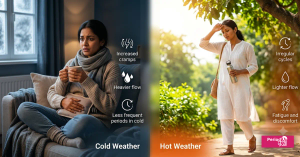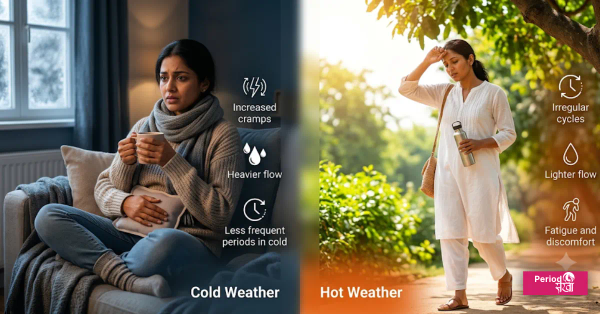

Have you ever found yourself feeling more exhausted during your summer periods or reaching for a hot water bottle when menstrual cramps become uncomfortable in winter?
The weather may not be the first thing that comes to mind when we discuss menstrual health. We usually associate changes in periods with hormones, stress, diet or lifestyle. However, our surroundings can influence how the body feels and responds to everyday demands.
Extreme heat can make hydration and sleep more difficult, while colder weather may change physical activity, appetite and daily routines. These changes can affect menstrual comfort, even though there is no strong evidence that simply moving from summer to winter directly alters the timing of periods.
So, does temperature really affect menstruation? And is there a difference between experiencing periods in summer and winter?
The menstrual cycle is regulated by communication between the brain and ovaries. This process involves several hormones, including oestrogen, progesterone, follicle-stimulating hormone (FSH) and luteinising hormone (LH).
The hypothalamus, a part of the brain, helps coordinate this hormonal activity through the hypothalamic-pituitary-ovarian (HPO) axis. It regulates ovulation and the changes that prepare the uterus for a possible pregnancy.
Weather does not directly control this process. However, environmental conditions can influence sleep, stress, hydration, nutrition and physical activity. Significant changes in these factors may indirectly affect reproductive health.
It is also important to distinguish between menstrual symptoms and menstrual regularity. Feeling more tired or uncomfortable during a heatwave does not necessarily mean that your cycle has changed.
Indian summers can be particularly demanding. High temperatures, humidity and long hours outdoors increase the body's need to regulate its internal temperature.
For someone experiencing menstrual cramps, headaches or fatigue, these conditions may add to the discomfort.
Sweating is the body's natural way of regulating temperature. However, prolonged exposure to heat can lead to excessive fluid loss, particularly when water intake is inadequate.
Dehydration may cause headaches, dizziness, weakness and tiredness. These symptoms can overlap with common menstrual complaints, making summer periods feel more exhausting.
Although drinking enough water supports general health, there is no established evidence that dehydration directly causes irregular periods or uterine cramps.
Practical tip: Keep water accessible during work and travel. Include water-rich foods such as cucumber, watermelon, oranges and muskmelon in your meals. If you sweat heavily, replace lost fluids and electrolytes appropriately.
Humidity can make menstrual hygiene more challenging, particularly when women spend several hours travelling or working outdoors.
Sweat, friction and prolonged contact with damp clothing may cause irritation around the external genital area. Some women may also experience discomfort when wearing tight or non-breathable underwear.
A few simple precautions can make a difference:
Change sanitary pads regularly, according to menstrual flow and product instructions.
Choose breathable underwear and comfortable clothing.
Change out of sweaty or damp clothes when possible.
Clean the external genital area gently with water.
Avoid scented intimate washes and vaginal douching.
Persistent itching, burning or unusual discharge should not be dismissed as a normal effect of summer. These symptoms may indicate an infection or another condition requiring medical attention.
Sleeping during a hot and humid night can be difficult. Repeated waking, sweating and physical discomfort may reduce sleep quality.
This becomes relevant during menstruation because some women already experience tiredness, irritability and headaches around their periods. Poor sleep may make these symptoms harder to manage.
Keeping the bedroom cool, maintaining regular sleep timings and avoiding heavy meals immediately before bedtime can help improve sleep comfort.
Many women wonder whether their periods become heavier during summer. At present, there is insufficient evidence to establish that high outdoor temperatures directly increase menstrual blood loss.
Changes in menstrual bleeding can have several explanations, including hormonal fluctuations, fibroids, adenomyosis, thyroid disorders and other gynaecological conditions.
If your flow becomes unusually heavy or your periods start lasting longer than usual, consult a gynaecologist rather than assuming that the weather is responsible.
Winter brings a different set of challenges. Shorter daylight hours, colder mornings and reduced outdoor activity can change everyday routines.
Some women report feeling more uncomfortable during their periods in winter. However, the reasons behind these experiences are not always related to temperature itself.
Menstrual cramps, medically known as dysmenorrhoea, occur primarily because of prostaglandins. These hormone-like substances are released by the uterine lining and cause uterine muscle contractions during menstruation.
When prostaglandin levels are higher, contractions may become stronger and more painful.
Cold temperatures can cause blood vessels near the skin to narrow as the body attempts to conserve heat. However, this does not establish that cold weather reduces blood flow to the uterus or directly causes menstrual cramps.
Some observational research has explored the association between cold exposure and menstrual pain, but the findings are not sufficient to establish a direct cause-and-effect relationship.
For women who already experience painful periods, keeping the body comfortably warm may improve physical comfort.
What may help during winter?
Apply a warm compress or heating pad to the lower abdomen.
Try gentle stretching or indoor walking.
Take a warm shower if it helps relieve discomfort.
Avoid remaining inactive for prolonged periods.
Seek medical advice if cramps interfere with work, sleep or everyday activities.
Heat therapy is an established non-medicine option for managing primary menstrual pain. It can be useful in both summer and winter.
Cold mornings and shorter days can make regular exercise less appealing. A woman who usually enjoys an evening walk may find herself spending more time indoors during winter.
Reduced movement can affect general fitness, sleep and mood. Some women may also notice that their usual premenstrual discomfort feels more difficult to manage when their routines change.
You do not need an elaborate exercise programme. Walking indoors, gentle yoga and stretching can help maintain regular movement without requiring outdoor exercise.
Winter often brings changes in food preferences. Warm meals, comfort foods and a preference for staying indoors may become part of the daily routine.
Some women also experience lower energy levels or changes in mood during periods of reduced daylight. These experiences can overlap with premenstrual syndrome (PMS), which may include irritability, bloating, breast tenderness and food cravings.
However, seasonal mood changes and PMS are not the same thing. Persistent low mood, severe irritability or symptoms that interfere with daily functioning deserve proper assessment.
The most noticeable seasonal differences often involve physical comfort and daily habits rather than the actual menstrual cycle.
Health factor | Hot weather | Cold weather |
|---|---|---|
Hydration | Increased fluid loss through sweating | Reduced thirst may lead some people to drink less water |
Sleep | Heat and humidity can disturb sleep | Cold temperatures and shorter daylight may affect sleep routines |
Energy | Heat exhaustion and dehydration may contribute to fatigue | Reduced activity may affect energy levels |
Menstrual discomfort | Headaches and general discomfort may become harder to manage | Some women report feeling less comfortable during cramps |
Hygiene | Sweat and moisture may cause skin irritation | Regular menstrual hygiene remains equally important |
Physical activity | Outdoor exercise may become difficult during extreme heat | Cold mornings may discourage outdoor movement |
Mood | Poor sleep and heat-related discomfort may affect mood | Reduced daylight may influence mood in some individuals |
These are possible experiences, not universal effects. Individual responses depend on health, lifestyle, environment and existing menstrual symptoms.
The relationship between climate and menstrual health is still being explored. Research has examined whether seasonal temperature changes are associated with differences in menstrual cycle length, ovulation and other reproductive characteristics.
A 2020 study published in Obstetrics & Gynecology analysed approximately six million menstrual cycles from more than 310,000 women using smartphone application data.
Researchers observed seasonal differences in basal body temperature, with higher temperatures during summer and lower temperatures during winter. However, they did not find a meaningful association between seasonal changes and menstrual cycle length.
Another study by Wehr and colleagues, published in 2010, examined seasonal variations in ovarian activity. The researchers reported greater ovarian activity and a higher frequency of ovulation during summer among women living in a temperate continental climate.
These findings are interesting, but they do not establish that temperature alone determines ovulation or menstrual timing.
What can we conclude?
Seasonal differences in body temperature are well recognised.
Some studies have reported associations between seasonal changes and ovarian activity.
Evidence that hot or cold weather directly causes irregular periods remains limited.
Lifestyle changes associated with different seasons may indirectly influence menstrual well-being.
It is important to avoid treating seasonal patterns as medical explanations for missed or irregular periods.
Your basic menstrual health routine does not need to change completely with the weather. However, a few adjustments can make managing your periods easier.
During summer | During winter | Throughout the year |
|---|---|---|
Drink water regularly | Maintain adequate fluid intake | Track menstrual dates and symptoms |
Avoid prolonged exposure to extreme heat | Keep yourself comfortably warm | Eat balanced meals |
Wear breathable clothing | Maintain regular physical activity indoors | Include iron-rich foods and adequate protein |
Get sufficient sleep in a cool room | Make time for daylight exposure | Maintain a consistent sleep schedule |
Replace fluids lost through excessive sweating | Avoid prolonged inactivity | Seek advice for persistent menstrual changes |
A balanced diet also matters across seasons. Include pulses, vegetables, fruits, whole grains and protein sources in your meals. Iron-rich foods such as lentils, beans, leafy vegetables and eggs can support nutritional needs, particularly for women who experience menstrual blood loss.
Avoid extreme dieting or suddenly increasing exercise intensity. Significant changes in calorie intake, body weight and physical activity can affect reproductive hormone signalling and menstrual regularity.
A period arriving a few days earlier or later does not automatically indicate a problem. However, repeated changes in your menstrual pattern deserve attention.
Symptom | When to seek medical advice |
|---|---|
Irregular periods | Cycles repeatedly shorter than 21 days or longer than 35 days |
Missed periods | No menstruation for three months or longer, when not pregnant |
Heavy bleeding | Bleeding that requires changing a pad every one to two hours |
Prolonged bleeding | Periods lasting longer than seven days |
Severe cramps | Pain that interferes with daily activities |
Persistent fatigue | Weakness, dizziness or breathlessness, particularly with heavy periods |
Conditions such as polycystic ovary syndrome (PCOS), thyroid disorders, endometriosis and uterine fibroids can affect menstrual health.
If your period is delayed, consider pregnancy where relevant. Do not attribute repeated irregularities or severe symptoms to seasonal weather without investigating other possible causes.
1. Do periods become irregular during summer?
There is no conclusive evidence that high summer temperatures directly cause irregular periods. However, heat-related stress, disturbed sleep, illness and significant lifestyle changes may indirectly influence reproductive health.
2. Are period cramps worse in winter?
Some women report greater discomfort during colder months. However, cold weather has not been established as a direct cause of menstrual cramps. Heat therapy, gentle movement and appropriate medical treatment can help manage period pain.
3. Does drinking cold water during periods increase cramps?
No convincing clinical evidence shows that drinking cold water causes menstrual cramps or increases menstrual bleeding. You can drink water at whichever temperature feels comfortable.
4. Is it normal to feel more tired during summer periods?
Heat exposure, sweating, dehydration and disturbed sleep can contribute to fatigue. However, persistent tiredness may also be associated with iron-deficiency anaemia, thyroid disorders or other health conditions.
5. Does menstrual blood flow change with the seasons?
There is insufficient evidence to establish a predictable seasonal change in menstrual blood flow. Significant changes in bleeding should be evaluated by a healthcare professional.
6. Can cold weather delay ovulation?
Ordinary exposure to cold weather has not been established as a direct cause of delayed ovulation. Stress, inadequate nutrition, significant weight changes and hormonal conditions are more recognised factors.
Summer and winter may change how your body feels, but menstrual health deserves attention throughout the year.
A hot afternoon may leave you exhausted, while a cold morning may make you less enthusiastic about exercising. These changes can influence comfort, sleep and energy levels, but they should not automatically be interpreted as hormonal disturbances.
Understanding your menstrual pattern, recognising unusual symptoms and making small adjustments to your daily routine can help you manage periods more comfortably.
The aim is not to change your body according to the weather. It is to understand what your body needs in every season.
1. Tatsumi T et al. (2020). Age-Dependent and Seasonal Changes in Menstrual Cycle Length and Body Temperature Based on Big Data. Obstetrics & Gynecology. Read the research.
2. Wehr E et al. (2010). Menstrual cycles are influenced by sunshine. Read the study.
3. Cold Exposures in Relation to Dysmenorrhea among Asian and White Women (2024). Read the research.
4. World Health Organization. Menstrual health.
5. NHS. Period pain.
6. American College of Obstetricians and Gynecologists. Abnormal uterine bleeding.
Dr. Akanksha is a dedicated dental professional and health educator who believes that healthcare goes beyond treatment-it is about creating awareness, building trust, and empowering individuals to make informed decisions about their well-being. Alongside her clinical expertise in dentistry, she is deeply passionate about public health education, with a special focus on menstrual health, hygiene, and women's wellness.
About PeriodSakhi
PeriodSakhi is your trusted companion for understanding your menstrual health. With easy-to-use tools, it helps you track your periods, ovulation, fertility, moods, and symptoms, while providing insights into your overall reproductive and hormonal health. PeriodSakhi also serves as a supportive online community where women can share experiences, find reliable information, and access expert-backed guidance on menstrual health, PCOS, pregnancy, lifestyle, and more.
Disclaimer
The views, thoughts, and opinions expressed in this article/blog are solely those of the author and do not necessarily reflect the views of PeriodSakhi. Any omissions, errors, or inaccuracies are the responsibility of the author. PeriodSakhi assumes no liability or responsibility for any content presented. Always consult a qualified medical professional for specific advice related to menstrual health, fertility, pregnancy, or related conditions.