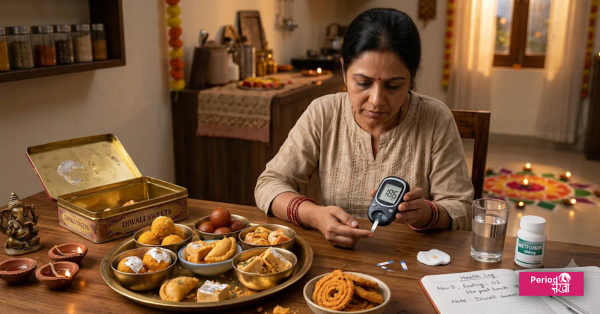

The festive season is all about celebration. From kaju katli and gulab jamun to laddoos, namkeen, festive thalis and late-night family dinners, Diwali brings plenty of reasons to enjoy good food.
You promise yourself that you will have just one sweet, but somehow that one turns into three. Add a few fried snacks, sugary drinks and irregular meal timings, and your usual eating routine can easily go out of the window.
But what happens to your body after several days of festive indulgence?
You may feel unusually thirsty, tired, sluggish or hungry. For some people, particularly those living with diabetes or prediabetes, consuming large amounts of carbohydrate-rich foods can lead to noticeable increases in blood glucose levels.
This is commonly referred to as a blood sugar spike.
However, an important distinction is that eating sweets for a few days does not automatically mean you have developed diabetes. Blood glucose naturally rises after meals, and the body usually regulates these changes through insulin.
The concern arises when blood glucose remains consistently elevated or when someone already has difficulty regulating it.
So, before you decide to skip meals, follow a crash diet or completely give up your favourite festive foods, let's understand what happens to your blood sugar after Diwali and how you can bring your routine back on track.
To understand a post-Diwali sugar spike, it helps to know what happens when you eat.
Carbohydrates present in foods such as rice, roti, sweets, potatoes and sugary beverages are broken down into glucose during digestion. This glucose enters the bloodstream and provides energy to the body's cells.
The pancreas releases a hormone called insulin, which helps glucose enter cells and supports the regulation of blood sugar levels.
After eating a carbohydrate-rich meal, blood glucose naturally increases. In a healthy metabolic system, insulin helps bring it back towards the normal range.
However, frequent consumption of large portions of sweets, refined carbohydrates and sugary beverages can create higher glucose fluctuations, particularly in people with insulin resistance or diabetes.
During Diwali, several eating habits may contribute to this:
Excessive sweets: Mithai such as gulab jamun, jalebi, rasgulla and barfi often contain substantial amounts of added sugar.
Refined carbohydrates: Large portions of white rice, maida-based snacks and other refined foods can raise blood glucose.
Frequent snacking: Eating sweets and savoury snacks throughout the day makes it harder to maintain regular meal patterns.
Sugary beverages: Sweetened juices, soft drinks and festive beverages add carbohydrates without providing much fibre.
Irregular meal timings: Skipping regular meals and replacing them with snacks can disrupt your usual eating routine.
It is important to remember that the effect of food on blood glucose varies depending on portion size, food composition, physical activity, insulin sensitivity and individual health conditions.
Not every increase in blood glucose produces noticeable symptoms. Some people, especially those with early-stage type 2 diabetes, may not experience obvious warning signs.
However, significantly elevated blood glucose can cause:
Symptom | What may be happening |
|---|---|
Increased thirst | The body loses more water through increased urination |
Frequent urination | The kidneys work to remove excess glucose |
Unusual tiredness | The body may not use glucose effectively |
Increased hunger | Glucose regulation and energy utilisation may be affected |
Blurred vision | Changes in blood glucose can affect fluid balance in the eye |
Dry mouth | Increased fluid loss may contribute to dehydration |
These symptoms do not confirm a sugar spike on their own. They can also occur due to other health conditions.
If you have diabetes and notice unusually high readings, follow your prescribed diabetes management plan and contact your healthcare professional when needed.
Persistent symptoms such as excessive thirst, frequent urination and unexplained weight loss deserve medical evaluation, even if you have never been diagnosed with diabetes.
Important: If high blood sugar is accompanied by vomiting, abdominal pain, deep or rapid breathing, fruity-smelling breath or confusion, seek urgent medical attention. These can be warning signs of diabetic ketoacidosis, a medical emergency.
The good news is that you do not need to punish your body for enjoying festive food.
Instead of skipping meals or following restrictive diets, focus on returning to balanced eating habits.
Here are six practical steps to help you get started.
After several days of festive eating, try returning to your regular meal schedule.
Include a combination of fibre-rich carbohydrates, protein and healthy fats.
For example:
Breakfast: Vegetable poha with curd or besan chilla.
Lunch: Dal, roti, seasonal vegetables and salad.
Evening snack: A handful of nuts or roasted chana.
Dinner: Vegetable khichdi with curd or roti with paneer and vegetables.
Combining carbohydrates with protein and fibre can help slow digestion and reduce rapid fluctuations in blood glucose.
You do not need to eliminate rice or roti. Portion size and the overall composition of your meals matter.
Fibre plays an important role in blood glucose management.
It slows digestion and helps moderate the absorption of carbohydrates. It also supports gut health, improves satiety and contributes to better digestive function.
Include foods such as:
Oats and whole grains.
Green vegetables and seasonal produce.
Beans, chickpeas and lentils.
Apples, guavas and pears.
Chia seeds and flaxseeds.
Try adding vegetables and protein to your meals rather than relying entirely on refined carbohydrates.
One of the simplest ways to support blood glucose management is to move after eating.
A gentle 10–15-minute walk after lunch or dinner can help your muscles use glucose for energy and reduce post-meal blood glucose excursions.
You do not need an intense workout or a long gym session to get started.
Even walking around your neighbourhood, using the stairs or doing light household activities can help increase daily movement.
If you have diabetes and use insulin or medicines that can cause low blood sugar, discuss exercise precautions with your healthcare professional.
After several days of eating salty snacks and sugary foods, maintaining adequate hydration is important.
Drink water regularly throughout the day. Plain water is generally the best choice.
Try limiting sugary beverages, packaged juices and sweetened soft drinks, as they can add substantial amounts of sugar to your diet.
Coconut water contains natural sugars too, so people monitoring their blood glucose should consider its carbohydrate content and portion size.
Festive celebrations often involve late nights, irregular sleeping patterns and changes in daily routines.
But sleep is closely connected to metabolic health.
Poor sleep can affect hormones involved in appetite regulation and insulin sensitivity. Repeated sleep deprivation may contribute to impaired glucose regulation.
Aim for approximately 7–9 hours of sleep each night and gradually return to a consistent bedtime.
One of the most common reactions after festive overeating is trying to compensate by skipping breakfast, avoiding carbohydrates completely or eating very little throughout the day.
This is not a healthy long-term approach.
Skipping meals may lead to excessive hunger, overeating later and difficulty maintaining a balanced diet. For people taking glucose-lowering medication, missed meals can also increase the risk of hypoglycaemia.
Instead, focus on regular meals, appropriate portions and sustainable food choices.
You do not need expensive ingredients or complicated recipes to support healthy blood glucose levels.
Traditional Indian foods can fit into a balanced eating pattern.
Food group | Foods to include | Why they help |
|---|---|---|
Whole grains | Oats, whole wheat roti, millets | Provide carbohydrates and fibre |
Protein | Dal, paneer, tofu, eggs, fish | Support satiety and overall nutrition |
Vegetables | Spinach, beans, gourds, carrots | Provide fibre, vitamins and minerals |
Fruits | Guava, apple, pear, orange | Provide fibre and essential nutrients |
Healthy fats | Nuts, seeds and limited amounts of vegetable oils | Support overall metabolic health |
Whole fruits are generally preferable to fruit juices because they retain their fibre and are more filling.
Also, remember that foods labelled as sugar-free are not necessarily carbohydrate-free. Their overall nutritional composition and portion size still matter.
Although everyone can experience an increase in blood glucose after eating, certain individuals need to pay closer attention.
These include:
People living with diabetes: Festive meals can make blood glucose management more challenging. Continue monitoring glucose as advised by your doctor and do not alter medication doses independently.
People with prediabetes: Prediabetes means blood glucose levels are higher than normal but not high enough to meet the diagnostic criteria for diabetes. Balanced eating, physical activity and weight management can help reduce the risk of progression to type 2 diabetes.
People with a family history of diabetes: A family history can increase the likelihood of developing type 2 diabetes. Regular health assessments may be useful depending on age and other risk factors.
People with insulin resistance or polycystic ovary syndrome (PCOS): Insulin resistance is common in PCOS and may increase the risk of developing type 2 diabetes. Maintaining a balanced lifestyle and following appropriate screening advice are important.
If you have risk factors, speak with your healthcare professional about whether blood glucose testing is appropriate.
If you have diabetes, continue checking your blood glucose according to your prescribed monitoring schedule.
For individuals without a diabetes diagnosis, a few days of eating sweets do not automatically mean they need immediate testing. However, routine screening is worth discussing if you have risk factors or symptoms.
Two commonly used blood tests are:
Fasting Blood Glucose (FBG): Measures blood glucose after at least eight hours without food or caloric beverages.
HbA1c test: Measures the percentage of haemoglobin with glucose attached to it. It provides an estimate of average blood glucose over approximately the previous two to three months.
Common diagnostic thresholds for non-pregnant adults are:
Test | Normal | Prediabetes | Diabetes |
|---|---|---|---|
Fasting blood glucose | Below 100 mg/dL | 100–125 mg/dL | 126 mg/dL or higher |
HbA1c | Below 5.7% | 5.7–6.4% | 6.5% or higher |
These are standard diagnostic thresholds. A diabetes diagnosis generally requires confirmation with repeat testing unless there is unequivocal hyperglycaemia or a hyperglycaemic crisis.
An HbA1c result is not designed to measure the effect of one particular Diwali meal. It reflects longer-term glucose levels.
Diwali is a time to celebrate, spend time with loved ones and enjoy traditional foods. Having a few extra sweets during the festive season does not mean you have ruined your health or need to follow an extreme diet afterwards.
What matters is what you do consistently.
Return to regular meals, include fibre and protein, stay hydrated, take short walks and prioritise adequate sleep. If you have diabetes or prediabetes, continue following your healthcare professional's advice and monitor your blood glucose as recommended.
Most importantly, do not let festive indulgence turn into unnecessary guilt.
Healthy eating is not about avoiding every sweet or refusing to enjoy celebrations. It is about understanding your body's needs and making informed choices most of the time.
So, enjoy that last piece of kaju katli, but remember to give your everyday health the attention it deserves.
About PeriodSakhi
PeriodSakhi is your trusted companion for understanding your menstrual health. With easy-to-use tools, it helps you track your periods, ovulation, fertility, moods, and symptoms, while providing insights into your overall reproductive and hormonal health. PeriodSakhi also serves as a supportive online community where women can share experiences, find reliable information, and access expert-backed guidance on menstrual health, PCOS, pregnancy, lifestyle, and more.
Disclaimer
The views, thoughts, and opinions expressed in this article/blog are solely those of the author and do not necessarily reflect the views of PeriodSakhi. Any omissions, errors, or inaccuracies are the responsibility of the author. PeriodSakhi assumes no liability or responsibility for any content presented. Always consult a qualified medical professional for specific advice related to menstrual health, fertility, pregnancy, or related conditions.