
“Your body is built to renew every month but protein gives that process the raw material it needs to flourish.”
The ovulatory phase marks the midpoint of your menstrual cycle, typically around Day 13–15 in a 28-day cycle. This is when a mature egg is released from the ovary, ready for fertilization.
It’s a time of peak fertility, highest estrogen levels, and naturally elevated energy and mood.
From a nutritional standpoint, this is a period of cellular activity and hormonal precision. The follicle that developed during the follicular phase is now releasing an egg, and your body requires an optimal supply of amino acids, vitamins, and minerals to support this process. That’s where protein becomes crucial.
Protein is the foundation of hormones, enzymes, and cellular repair. In the context of fertility, it plays several key roles:
Supports egg development: Amino acids help form follicular fluid, which nourishes the developing egg.
Balances blood sugar: Stabilized glucose prevents insulin spikes that can interfere with ovulation, especially in PCOS.
Regulates hormones: Protein intake supports synthesis of estrogen, luteinizing hormone (LH), and follicle-stimulating hormone (FSH).
Improves metabolic function: Enhances muscle tone and energy utilization during this high-energy phase.
A study published in the American Journal of Clinical Nutrition (2021) showed that women who consumed more plant-based protein and less refined carbohydrates had better ovulatory function and improved fertility outcomes.
For most women of reproductive age, the recommended daily protein intake is around 1.0–1.2 grams per kilogram of body weight.
For example, if you weigh 60 kg, you need around 60–70 grams of protein per day, which can easily be met with a combination of plant and animal sources.
Those who exercise regularly or are trying to conceive may benefit from slightly higher intake (up to 1.4 g/kg), as protein supports both muscle repair and hormone production.
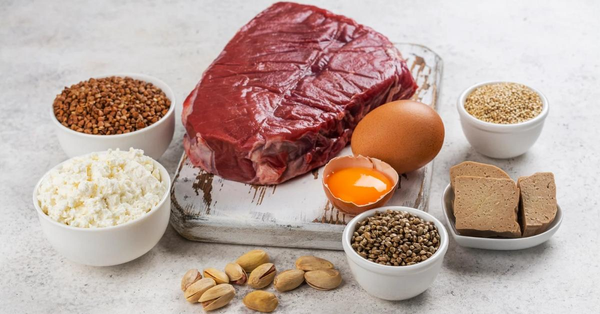
Here are the best protein-rich foods to include during your ovulatory phase, along with their unique hormonal benefits:
Eggs are often called “nature’s multivitamin” — and rightly so.
They are rich in high-quality protein, choline, and omega-3 fatty acids, all of which support egg health and brain development in early pregnancy.
How to include: Have boiled eggs for breakfast or add poached eggs to whole-grain toast with avocado.
Why it helps: Choline supports cellular division in developing follicles and boosts neurotransmitter balance.
A staple in Indian diets, lentils (masoor, moong, toor dal) and chickpeas are excellent sources of plant-based protein, iron, and folate.
How to include: Combine dal with brown rice or millets for complete amino acid balance.
Why it helps: Folate aids DNA repair in egg cells, while iron supports oxygen delivery to reproductive tissues.
Rich in casein and whey proteins, Greek yogurt provides slow-digesting amino acids that support muscle and hormone repair.
How to include: Mix with fruits, flaxseeds, or drizzle with honey for a satisfying snack.
Why it helps: The calcium and probiotics in yogurt support ovulation and improve gut-mediated hormone regulation.
Unlike most grains, quinoa is a complete protein containing all nine essential amino acids.
How to include: Replace white rice with quinoa in salads or pulao.
Why it helps: Quinoa is also rich in zinc and magnesium, key minerals for follicle health and estrogen balance.
Paneer provides slow-release casein protein that keeps you full and supports lean tissue maintenance.
How to include: Use in wraps, stir-fries, or grilled cubes with vegetables.
Why it helps: Its high calcium content helps reduce PMS-related cramps and supports ovulatory health.
Almonds, walnuts, pumpkin, sunflower, and flaxseeds are rich in protein, omega-3 fatty acids, and vitamin E.
How to include: Sprinkle over smoothies, salads, or eat a handful mid-morning.
Why it helps: Vitamin E improves endometrial receptivity and enhances cervical mucus quality for conception.
Chicken, turkey, and fish (like salmon or rohu) offer lean, easily digestible protein that supports egg health.
How to include: Grill or bake with minimal oil. Avoid heavily fried preparations.
Why it helps: Omega-3s reduce inflammation and support the hormonal surge necessary for ovulation.
Soy provides isoflavones, natural plant estrogens that can help modulate estrogen levels, especially in women with irregular cycles.
How to include: Add tofu cubes to stir-fries or salads.
Why it helps: The gentle phytoestrogenic effect supports a healthy LH surge and ovulation timing.
Sprouting enhances the protein and vitamin C content of beans and lentils.
How to include: Add sprouted moong salad with lemon and herbs to your lunch.
Why it helps: Improves digestion and nutrient absorption, crucial during ovulation when metabolism peaks.
A sample one-day meal guide to ensure protein coverage across meals:
Breakfast: Vegetable omelet or moong chilla with chutney
Mid-morning: Handful of almonds and a banana
Lunch: Brown rice with dal, paneer sabzi, and salad
Evening snack: Greek yogurt with flaxseeds and fruit
Dinner: Quinoa pulao with tofu or grilled fish and sautéed vegetables
This balance keeps your blood sugar stable, hormones steady, and muscles nourished.
Stay hydrated: Adequate water helps kidneys process protein efficiently.
Pair protein with fiber: Fiber from fruits and vegetables aids digestion and hormone elimination.
Avoid excess caffeine or alcohol: Both can interfere with nutrient absorption.
Include strength training: Builds lean muscle and enhances metabolic hormone sensitivity.
Protein alone cannot optimize fertility; it works synergistically with other nutrients:
Iron (in lentils, spinach): Supports follicle oxygenation.
Vitamin B6 & B12 (in eggs, dairy): Aid in progesterone synthesis post-ovulation.
Omega-3s (in fish, walnuts): Support healthy cervical mucus and reduce inflammation.
Zinc (in seeds, chickpeas): Essential for egg maturation and hormonal signaling.
Thus, a well-rounded, protein-rich diet helps maintain the delicate endocrine harmony needed for ovulation.
If your cycles are irregular, ovulation is delayed, or you have conditions like PCOS, thyroid imbalance, or low AMH, a nutritionist or gynecologist can guide you with personalized protein plans.
In some cases, protein supplements (like whey isolate or plant-based blends) can be safely included, but always under medical supervision.
Protein is not just for fitness, it’s the foundation of hormonal harmony and reproductive vitality.
During the ovulatory phase, your body is at its peak of creation, both physically and energetically. By fueling it with clean, protein-rich foods, you nurture egg quality, stabilize energy, and support emotional balance.
Think of protein as your cycle’s repair agent and silently building the tissues, enzymes, and hormones that allow your body to function with precision and grace.
Chavarro JE et al. Protein intake and ovulatory infertility in women. American Journal of Clinical Nutrition, 2021.
ACOG Practice Bulletin. Nutrition and Fertility Health in Women of Reproductive Age. 2022.
Harvard T.H. Chan School of Public Health. Plant-Based Proteins and Reproductive Outcomes. 2023.
British Nutrition Foundation. The Role of Diet in Hormonal and Fertility Health. 2022.
Mayo Clinic. Optimizing Ovulation Through Nutrition and Lifestyle. 2021.
Dr. Akanksha is a dedicated dental professional and health educator who believes that healthcare goes beyond treatment-it is about creating awareness, building trust, and empowering individuals to make informed decisions about their well-being. Alongside her clinical expertise in dentistry, she is deeply passionate about public health education, with a special focus on menstrual health, hygiene, and women's wellness.
About PeriodSakhi
PeriodSakhi is your trusted companion for understanding your menstrual health. With easy-to-use tools, it helps you track your periods, ovulation, fertility, moods, and symptoms, while providing insights into your overall reproductive and hormonal health. PeriodSakhi also serves as a supportive online community where women can share experiences, find reliable information, and access expert-backed guidance on menstrual health, PCOS, pregnancy, lifestyle, and more.
Disclaimer
The views, thoughts, and opinions expressed in this article/blog are solely those of the author and do not necessarily reflect the views of PeriodSakhi. Any omissions, errors, or inaccuracies are the responsibility of the author. PeriodSakhi assumes no liability or responsibility for any content presented. Always consult a qualified medical professional for specific advice related to menstrual health, fertility, pregnancy, or related conditions.