
You have just returned from college. You put your bag down, check your phone, open the fridge and reach for a snack. Somewhere between all that, you might have touched a lift button, a bus handle, your desk or a door that hundreds of people have used then, without thinking much about it, you touch your face.
Sounds familiar?
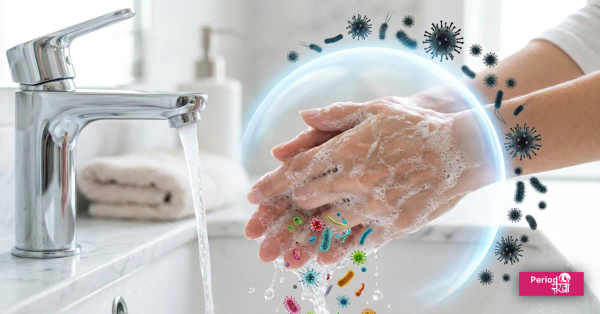
Our hands are constantly busy. They help us eat, work, travel, cook and connect with the people around us but they also come into contact with microorganisms throughout the day. Some are harmless, while others can cause infections.The good news is that one simple habit can help reduce the spread of germs: washing your hands properly.
It sounds basic. After all, most of us have been washing our hands since childhood but there is a difference between getting your hands wet and actually cleaning them and no, you do not need an elaborate skincare routine or an expensive antibacterial product to do it right. A little soap, clean water and a few extra seconds are often enough.
Think about the last time you travelled on public transport or shared a meal with friends. You probably touched several surfaces without giving them much thought. Germs can be transferred from contaminated surfaces to our hands. When we touch our eyes, nose or mouth, some of these microorganisms may enter the body and cause illness.
This is one way infections spread. Proper handwashing helps remove dirt, microorganisms and other unwanted substances from the skin. It plays an important role in reducing the spread of respiratory and gastrointestinal infections, including illnesses that cause diarrhoea.
The World Health Organization (WHO) and the Centers for Disease Control and Prevention (CDC) recognise hand hygiene as an important part of infection prevention. Think of it as a small act of care, not just for yourself but also for the people around you.
When soap is combined with water and rubbing, it helps loosen dirt, oils and microorganisms from the skin. These can then be rinsed away. The CDC recommends washing your hands with soap and water for at least 20 seconds.
Here is a simple routine to follow.
Step | What you should do |
|---|---|
1. Wet your hands | Use clean, running water. |
2. Apply soap | Use enough soap to cover both hands. |
3. Rub your palms | Rub your palms together to create a lather. |
4. Clean the backs of your hands | Rub the back of each hand, including the spaces between your fingers. |
5. Clean between your fingers | Interlace your fingers and rub them together. |
6. Do not forget your thumbs | Hold each thumb with the opposite hand and rub it gently. |
7. Clean your fingertips | Rub your fingertips against the opposite palm, paying attention to the areas beneath your nails. |
8. Rinse and dry | Rinse thoroughly and dry your hands with a clean towel or air dryer. |
The areas between your fingers, around your thumbs and beneath your nails are often missed. Give them a little extra attention.
A simple trick? Hum the "Happy Birthday" song twice while rubbing your hands. It is an easy way to keep track of the recommended 20 seconds without constantly checking the clock.
And remember, creating a mountain of foam is not the goal. Cleaning every surface of your hands is.
You do not need to wash your hands every time you touch something. However, there are certain moments when handwashing becomes particularly important.
Before | After |
|---|---|
Eating a meal or snack | Using the toilet |
Preparing or handling food | Coughing, sneezing or blowing your nose |
Touching your face or applying skincare | Handling rubbish |
Caring for someone who is unwell | Touching animals or their waste |
Handling contact lenses | Travelling on public transport, especially when your hands are dirty |
You should also wash your hands after handling raw meat, poultry or seafood, and before and after caring for someone who is sick. These moments may seem ordinary, but they are important opportunities to prevent germs from spreading.
Imagine you are on your way to college, you have just eaten a sandwich, and there is no washroom nearby. This is where hand sanitiser can come in handy.
Alcohol-based hand sanitisers containing at least 60% alcohol can reduce many germs and are useful when soap and water are unavailable.
However, they do not work equally well in every situation.
Soap and water | Hand sanitiser |
|---|---|
Removes dirt, grease and many germs | Reduces many germs |
Best when hands are visibly dirty | Useful when hands are not visibly dirty |
Preferred after using the toilet | Convenient during travel or outdoor activities |
Effective against certain germs, including norovirus and C. difficile spores, that alcohol sanitiser may not reliably eliminate | Does not reliably eliminate all types of germs |
If your hands are visibly dirty or greasy, soap and water should be your first choice. When using sanitiser, apply enough to cover all surfaces of your hands and rub until they are completely dry. Do not wipe it off immediately. For everyday life, keeping a small sanitiser in your bag is useful. Just remember that it is a convenient alternative, not a replacement for proper handwashing in every situation.
Most of us know that we should wash our hands. The problem is that we tend to rush through it.
Here are a few habits worth changing.
A quick rinse is not enough. Water alone may remove some dirt, but soap and rubbing help clean the skin more effectively.
The thumbs are often forgotten. We clean our palms and fingers but sometimes skip the thumbs and fingertips. These areas deserve attention too.
Wet hands are not clean hands forever. Once you have washed your hands, avoid touching dirty surfaces unnecessarily. Germs can be transferred back onto your skin.
Drying matters. Use a clean towel or air dryer. Wet hands can transfer germs more readily than dry hands.
Hot water is not necessary. Warm or cool running water works well. Very hot water can irritate the skin, especially when you wash your hands frequently.
None of these mistakes means you have been doing everything wrong. They simply show how a few small changes can make an everyday habit more effective.
If you wash your hands frequently, you may have noticed that your skin sometimes feels dry, tight or irritated.This can happen because repeated washing, particularly with harsh soaps or very hot water, can affect the skin's natural protective barrier but the answer is not to stop washing your hands.
Instead, make the routine gentler. Choose a mild soap, use lukewarm or cool water, dry your hands gently and apply moisturiser when needed.
If your skin is sensitive, a fragrance-free moisturiser may be a better choice. Persistent redness, cracking, itching or painful irritation should not be ignored. If these symptoms continue, consult a dermatologist. Clean hands and healthy skin can go together. You just need to look after both.
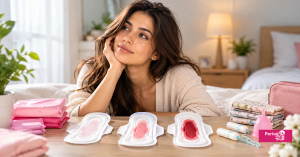
Handwashing becomes especially important when you are handling menstrual products. Whether you use sanitary pads, tampons, menstrual cups or reusable cloth pads, clean hands help reduce the transfer of microorganisms during menstrual care.
Before inserting or removing a menstrual cup or tampon, wash your hands with soap and water. The same applies when handling clean reusable menstrual products.
If you use disposable pads, washing your hands before and after changing them is a good habit whenever possible. Reusable menstrual products also need to be cleaned and stored according to the manufacturer's instructions. Clean hands are an important part of that process.
There is one more thing worth remembering: menstrual hygiene does not mean using special products to clean inside the vagina. The vagina has its own natural balance of microorganisms. The external genital area, known as the vulva, can be gently cleaned with water. Hand hygiene is a simple part of menstrual care, but it should never become a reason to feel embarrassed about your period.
Handwashing may seem like one of the smallest things you do each day. Yet, it can make a meaningful difference to your health. You do not need to make it complicated. Remember the important moments, use soap and clean running water, rub every surface of your hands and dry them properly.
Whether you are eating lunch between lectures, travelling home, preparing a meal or changing a menstrual product, clean hands help reduce the spread of infections and if you are someone who tends to rush through handwashing, take those extra few seconds. They are worth it.
PeriodSakhi offers a platform to learn about menstrual health, personal care and everyday wellbeing. Understanding simple hygiene practices, including proper handwashing, can help women make informed choices and feel more confident about caring for their bodies because sometimes, taking care of your health does not require a big change. It starts with something as simple as washing your hands properly.
World Health Organization. Hand hygiene.
Centers for Disease Control and Prevention. About Handwashing.
Centers for Disease Control and Prevention. When and How to Wash Your Hands.
Centers for Disease Control and Prevention. About Hand Sanitizer.
World Health Organization. WHO Guidelines on Hand Hygiene in Health Care.
About PeriodSakhi
PeriodSakhi is your trusted companion for understanding your menstrual health. With easy-to-use tools, it helps you track your periods, ovulation, fertility, moods, and symptoms, while providing insights into your overall reproductive and hormonal health. PeriodSakhi also serves as a supportive online community where women can share experiences, find reliable information, and access expert-backed guidance on menstrual health, PCOS, pregnancy, lifestyle, and more.
Disclaimer
The views, thoughts, and opinions expressed in this article/blog are solely those of the author and do not necessarily reflect the views of PeriodSakhi. Any omissions, errors, or inaccuracies are the responsibility of the author. PeriodSakhi assumes no liability or responsibility for any content presented. Always consult a qualified medical professional for specific advice related to menstrual health, fertility, pregnancy, or related conditions.