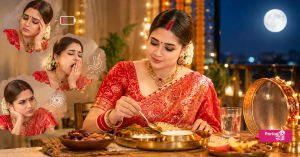

Prerna had been feeling unusually low for the past two days. Small things that normally did not bother her suddenly felt upsetting. She was more irritable than usual, craved chocolate and found herself crying over a conversation with a friend.
When her period started the next morning, she began to wonder whether these feelings were connected to her menstrual cycle.
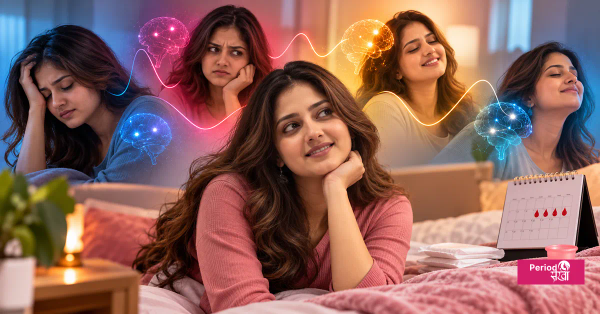
She was not imagining the change. Many women notice shifts in their mood, energy and appetite before or during menstruation. Hormonal changes throughout the menstrual cycle can affect the brain, including the systems involved in mood regulation.
One important chemical involved in this process is serotonin.
But what exactly does serotonin do? Why might your mood change around your period? And is there anything you can do to feel better?
Let us understand the science in simple terms.
Serotonin is a chemical messenger that helps nerve cells communicate. It is often called the feel-good chemical because it plays a role in mood, but its functions go far beyond happiness.
Serotonin is involved in several processes, including:
Mood and emotional regulation
Sleep and the body's internal clock
Appetite and food cravings
Digestion
How the brain processes pain
Most of the body's serotonin is found in the gut, where it helps regulate digestive activity. Serotonin in the brain has different functions and is involved in communication between nerve cells.
Serotonin does not work alone. Other brain chemicals, hormones, sleep patterns, stress and everyday experiences also influence how you feel.
This is why mood changes cannot be explained by serotonin levels alone.
To understand this, it helps to know what happens during the menstrual cycle.
After ovulation, the body enters the luteal phase, which is the time between ovulation and the start of the next period. During this phase, levels of oestrogen and progesterone change.
If pregnancy does not occur, these hormone levels fall towards the end of the cycle, and menstruation begins.
These hormonal shifts can influence brain systems involved in mood, including serotonin signalling. Oestrogen interacts with several processes that affect serotonin, while progesterone is broken down into substances that influence the brain's GABA system, which helps regulate calmness and nervous system activity.
The important point is that serotonin does not necessarily drop in the same way or by the same amount in every woman. Scientists cannot explain premenstrual mood changes through one simple measurement of serotonin. Hormonal sensitivity and the way the brain responds to normal hormonal changes may be important.
Some women notice little or no emotional change throughout their cycle. Others experience sadness, anxiety, irritability or mood swings in the days leading up to menstruation.
Premenstrual mood changes can have several overlapping causes.
The brain and reproductive system communicate with each other. Changes in oestrogen and progesterone can affect the systems that help regulate emotions.
For some women, these normal changes may trigger noticeable mood symptoms. This does not mean their hormones are abnormal or that they are doing anything wrong.
Some women experience disturbed sleep or feel more tired before their period. Poor sleep can make it harder to manage stress, concentrate or respond calmly to everyday situations.
When you are already tired, even a small problem can feel more difficult to handle.
You may notice a stronger desire for sweet or carbohydrate-rich foods before menstruation. Appetite can also change during the menstrual cycle.
Cravings are not proof that your serotonin is low. Food preferences and appetite are influenced by several factors, including hormones, reward pathways, habits and sleep.
Eating regular, balanced meals can help you manage hunger and maintain steady energy throughout the day.
Work pressure, relationship difficulties, poor sleep and other everyday stresses can affect mood at any point in the cycle. If you are also experiencing premenstrual symptoms, these pressures may feel harder to manage.
Your emotional experience is real, even when several factors contribute to it.
Premenstrual syndrome, commonly known as PMS, refers to physical and emotional symptoms that occur during the days before a period and improve after menstruation begins.
Symptoms may include:
Irritability or mood swings
Feeling anxious, sad or unusually emotional
Bloating and breast tenderness
Headaches
Tiredness and changes in sleep
Changes in appetite or food cravings
Serotonin signalling is thought to play a role in some emotional symptoms of PMS. However, PMS is not simply a condition caused by low serotonin. Hormonal sensitivity, brain chemistry and other factors may all contribute.
A more severe condition called premenstrual dysphoric disorder (PMDD) can cause significant mood symptoms, such as severe irritability, depression or anxiety, that interfere with daily life, relationships or work.
If your symptoms regularly affect your ability to function, it is worth speaking with a healthcare professional. Effective treatments are available, and you do not have to manage severe symptoms alone.
You cannot control every hormonal change, but you can build habits that support your general health and may help make symptoms easier to manage.
Try to include a mix of protein, whole grains or other fibre-rich carbohydrates, vegetables, fruit and healthy fats in your daily meals.
Eggs, pulses, beans, yoghurt, tofu, nuts and seeds can help provide important nutrients. You do not need to follow a special diet or avoid every sweet food to support your mood.
If you notice that caffeine makes you feel more anxious or affects your sleep, consider reducing it, particularly later in the day.
Aim for a regular sleep and wake-up time. A calming bedtime routine and less screen use just before sleep may help you rest better.
Sleep needs vary, but most adults need around seven to nine hours each night.
Walking, stretching, cycling, dancing or another activity you enjoy can support physical and emotional well-being. Regular movement may help some women manage premenstrual symptoms.
You do not need to push yourself through intense exercise when you are tired or experiencing cramps. Choose an activity that feels manageable.
Take short breaks during a busy day, spend time outdoors, practise slow breathing or speak with someone you trust. These steps do not remove hormonal changes, but they may help you cope with stress and difficult emotions.
A simple menstrual diary can help you identify patterns. For at least two menstrual cycles, note when your period starts, how you sleep, and whether you experience sadness, anxiety, irritability, cravings or physical discomfort.
This can help you understand whether symptoms occur mainly before menstruation, continue during your period or appear throughout the month. It can also give your healthcare professional useful information if you need support.
Occasional mood changes around menstruation are common, but severe or persistent symptoms deserve attention.
Speak with a healthcare professional if your mood changes repeatedly interfere with work, relationships, sleep or daily activities. They can assess whether you may have PMS, PMDD or another condition that needs care.
Treatments may include psychological support, lifestyle measures and, when appropriate, prescribed medicines such as certain selective serotonin reuptake inhibitors (SSRIs). These medicines affect serotonin signalling and are used to treat several conditions, including PMDD. They should be considered with a qualified healthcare professional rather than started on your own.
If you experience thoughts of harming yourself, seek urgent help from local emergency services or a trusted healthcare professional.
Menstruation is not only a physical process. The hormonal changes that occur throughout the menstrual cycle can also affect how some women feel emotionally.
Serotonin is one part of this picture, but it is not the whole explanation. Sleep, stress, individual sensitivity to hormonal changes and many other factors can influence mood.
If you feel more emotional before your period, try to notice the pattern without blaming yourself. Rest when you need to, eat regularly, move in a way that feels comfortable and ask for help when symptoms become difficult to manage.
At PeriodSakhi, the conversation about women's health goes beyond periods alone. Understanding the connection between the menstrual cycle, brain and emotional well-being can help women recognise their experiences and make informed choices about their health.
Your feelings matter at every stage of your cycle.
American College of Obstetricians and Gynecologists (ACOG). Premenstrual Syndrome (PMS). https://www.acog.org/womens-health/faqs/premenstrual-syndrome-pms
National Institute of Mental Health (NIMH). Premenstrual Dysphoric Disorder: Different from PMS. https://www.nimh.nih.gov/health/publications/premenstrual-dysphoric-disorder-pmdd
Mayo Clinic. Premenstrual syndrome (PMS): Symptoms and causes. https://www.mayoclinic.org/diseases-conditions/premenstrual-syndrome/symptoms-causes/syc-20376780
National Health Service (NHS). PMS (premenstrual syndrome). https://www.nhs.uk/conditions/pre-menstrual-syndrome/
Add a clear PeriodSakhi call to actionMake the opening more natural and relatable
About PeriodSakhi
PeriodSakhi is your trusted companion for understanding your menstrual health. With easy-to-use tools, it helps you track your periods, ovulation, fertility, moods, and symptoms, while providing insights into your overall reproductive and hormonal health. PeriodSakhi also serves as a supportive online community where women can share experiences, find reliable information, and access expert-backed guidance on menstrual health, PCOS, pregnancy, lifestyle, and more.
Disclaimer
The views, thoughts, and opinions expressed in this article/blog are solely those of the author and do not necessarily reflect the views of PeriodSakhi. Any omissions, errors, or inaccuracies are the responsibility of the author. PeriodSakhi assumes no liability or responsibility for any content presented. Always consult a qualified medical professional for specific advice related to menstrual health, fertility, pregnancy, or related conditions.