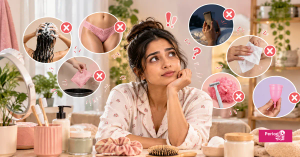

Menarche is an important milestone in puberty and reproductive development.
It represents the body’s transition into reproductive maturity.
Menarche is the medical term for a person’s first menstrual period.
It marks the beginning of reproductive capability and the start of the menstrual cycle.
Menarche does not happen at the same age for everyone.
It may happen earlier or later depending on several factors.
Factors that can influence timing include:
The first period usually happens about 2–3 years after breast development begins.
The body gives several signs that menarche may be near.
Common signs include:
The first period is often different from later cycles.
It is very common for periods to be unpredictable during the first 1–2 years.
Menarche can bring both physical and emotional adjustments.
Physical changes may include:
Emotional changes may include:
These changes are caused by shifting hormone levels and are completely normal.
Being prepared can reduce anxiety about the first period.
Common menstrual products include:
Helpful preparation tips:
Medical advice may be needed if:
Everyone develops at their own pace.
Early or late menarche can both be normal.
Menarche is a natural and healthy part of growing up.
Education and open conversations can make the experience less stressful and more empowering.
Dr. Akanksha is a dedicated dental professional and health educator who believes that healthcare goes beyond treatment-it is about creating awareness, building trust, and empowering individuals to make informed decisions about their well-being. Alongside her clinical expertise in dentistry, she is deeply passionate about public health education, with a special focus on menstrual health, hygiene, and women's wellness.
About PeriodSakhi
PeriodSakhi is your trusted companion for understanding your menstrual health. With easy-to-use tools, it helps you track your periods, ovulation, fertility, moods, and symptoms, while providing insights into your overall reproductive and hormonal health. PeriodSakhi also serves as a supportive online community where women can share experiences, find reliable information, and access expert-backed guidance on menstrual health, PCOS, pregnancy, lifestyle, and more.
Disclaimer
The views, thoughts, and opinions expressed in this article/blog are solely those of the author and do not necessarily reflect the views of PeriodSakhi. Any omissions, errors, or inaccuracies are the responsibility of the author. PeriodSakhi assumes no liability or responsibility for any content presented. Always consult a qualified medical professional for specific advice related to menstrual health, fertility, pregnancy, or related conditions.