A simple and complete guide to the menstrual cycle explaining its phases, hormones, symptoms, fertility window, and how to track it effectively.
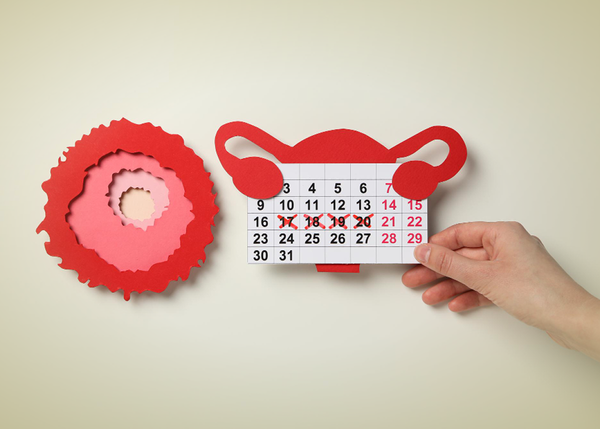

The menstrual cycle is a natural biological process that occurs in individuals with a uterus, usually every 21 to 35 days. It involves a series of hormonal changes that prepare the body for pregnancy. Understanding the menstrual cycle helps in tracking fertility, recognizing health issues, and improving overall reproductive health awareness.
The menstrual cycle is the monthly process the body goes through to prepare for pregnancy. It is controlled by hormones and involves changes in the ovaries and uterus.
Average Length: 21-35 days (28 days is common, but not required)
Cycle Day 1: The first day of bleeding (start of your period)
Main Hormones: Estrogen, Progesterone, Luteinizing Hormone (LH), Follicle-Stimulating Hormone (FSH)
The uterine lining sheds.
Bleeding occurs (your period).
Hormone levels are low.
Common symptoms: cramps, fatigue, low energy.
Begins on the first day of your period and overlaps with the menstrual phase.
FSH stimulates the ovaries to mature an egg.
Estrogen levels rise.
The uterine lining begins to rebuild.
Energy and focus may increase toward the end of this phase.
An egg is released from the ovary.
Triggered by a surge in LH.
The egg lives about 12–24 hours.
This is the most fertile time of the cycle.
Some people experience mild lower abdominal pain (ovulation pain).
Progesterone increases.
The uterus prepares for possible pregnancy.
If fertilization does not occur, hormone levels drop.
PMS symptoms may appear (mood swings, bloating, headaches).
The next period begins, starting a new cycle.
Estrogen: Builds up the uterine lining and supports egg development.
Progesterone: Maintains the lining after ovulation.
FSH: Stimulates egg development in the ovaries.
LH: Triggers ovulation.
Pregnancy can occur if sperm fertilizes the egg during ovulation.
Sperm can survive inside the body for up to 5 days.
If fertilization happens, the fertilized egg implants in the uterus.
If not, the uterine lining sheds during the next period.
Changes in energy levels
Mood shifts
Changes in appetite
Breast tenderness
Acne
Changes in vaginal discharge
Cycles may vary due to:
Stress
Weight changes
Hormonal conditions (e.g., PCOS)
Thyroid disorders
Birth control use
Adolescence or approaching menopause
Tracking can help you understand your body better. You can:
Mark the first day of each period
Track symptoms and moods
Use a calendar or app
Notice patterns over time
You can use the PeriodSakhi App to track your cycle and monitor your periods, ovulation, symptoms, and overall menstrual health with ease.
Understanding your menstrual cycle can help you:
Identify your fertile window for pregnancy planning or prevention
Recognize hormonal imbalances early
Track physical and emotional health changes
Manage PMS symptoms more effectively
Improve overall reproductive health awareness
Cycles regularly shorter than 21 days or longer than 35 days
Severe pain that disrupts daily activities
Very heavy bleeding
Missing periods (not pregnant)
Bleeding between periods
The menstrual cycle is a normal and healthy part of reproductive health. Every person’s cycle is different, and variation can be completely normal.
The four phases are the menstrual phase, follicular phase, ovulation, and luteal phase. Each phase is controlled by hormonal changes that prepare the body for possible pregnancy.
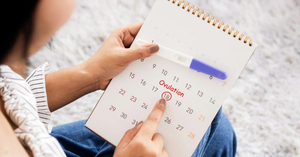
Fertility is highest during ovulation, which typically occurs around day 14 in a 28-day cycle. The fertile window includes the few days before and the day of ovulation.
Irregular cycles can be caused by stress, hormonal imbalances, thyroid issues, PCOS, weight changes, or use of birth control.
Dr. Akanksha is a dedicated dental professional and health educator who believes that healthcare goes beyond treatment-it is about creating awareness, building trust, and empowering individuals to make informed decisions about their well-being. Alongside her clinical expertise in dentistry, she is deeply passionate about public health education, with a special focus on menstrual health, hygiene, and women's wellness.
About PeriodSakhi
PeriodSakhi is your trusted companion for understanding your menstrual health. With easy-to-use tools, it helps you track your periods, ovulation, fertility, moods, and symptoms, while providing insights into your overall reproductive and hormonal health. PeriodSakhi also serves as a supportive online community where women can share experiences, find reliable information, and access expert-backed guidance on menstrual health, PCOS, pregnancy, lifestyle, and more.
Disclaimer
The views, thoughts, and opinions expressed in this article/blog are solely those of the author and do not necessarily reflect the views of PeriodSakhi. Any omissions, errors, or inaccuracies are the responsibility of the author. PeriodSakhi assumes no liability or responsibility for any content presented. Always consult a qualified medical professional for specific advice related to menstrual health, fertility, pregnancy, or related conditions.