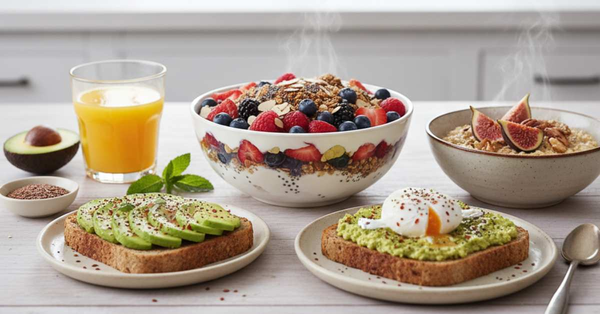

The ovulation phase marks the midpoint of the menstrual cycle and is often the most fertile period. Around this time, estrogen peaks, energy levels rise, and your body prepares for potential conception. Supporting this phase with balanced nutrition can help improve egg quality, hormonal balance, and mood while sustaining natural energy levels. A healthy breakfast during ovulation can make a significant difference not just for fertility, but for overall wellbeing.
Ovulation typically occurs around day 14 of a 28-day cycle, although it can vary. It is triggered by a surge in luteinizing hormone (LH), which causes the release of a mature egg from the ovary. During this time:
Estrogen levels are at their highest, leading to improved skin, mood, and energy.
Basal body temperature rises slightly, increasing metabolism and calorie needs.
Cervical mucus changes, becoming clearer and more fluid to help sperm mobility.
Nutrient demand increases, particularly for antioxidants, protein, and omega-3s that support egg health and hormone production (
Eating the right breakfast during ovulation ensures your body gets the nutrients it needs to sustain energy and promote reproductive health.
According to NHS dietary guidance and research from PubMed, the following nutrients are especially helpful during ovulation:
Protein: Supports follicle development and balances blood sugar. Found in eggs, Greek yogurt, lentils, paneer, and nuts.
Omega-3 fatty acids: Reduce inflammation, improve cervical mucus quality, and support egg maturation (
Zinc and selenium: Essential for hormone production and egg quality. Found in pumpkin seeds, whole grains, and eggs.
Iron: Replenishes stores before menstruation begins again. Found in spinach, lentils, and fortified cereals.
Vitamin B complex: B6 and B12 support ovulation and mood regulation. Found in eggs, bananas, and whole grains.
Antioxidants (vitamin C, E, beta-carotene): Protect the egg from oxidative stress (
Complex carbohydrates: Provide sustained energy. Found in oats, millets, quinoa, and whole-wheat bread.
These breakfasts are nutrient-dense, quick to prepare, and designed to stabilize hormones while supporting fertility and overall energy.
How to make:
Top whole-grain toast with mashed avocado, a poached or boiled egg, and a sprinkle of pumpkin and sesame seeds. Add lemon juice and a pinch of salt.
Why it works:
Avocado offers healthy fats that balance hormones and improve nutrient absorption. Eggs provide choline and protein to support cellular health and ovulation. Pumpkin seeds add zinc and magnesium for hormone balance.
How to make:
Combine plain Greek yogurt with mixed berries, ground flaxseed, and a drizzle of honey.
Why it works:
Yogurt is high in calcium and protein. Berries provide antioxidants that protect eggs from oxidative stress. Flaxseed supplies omega-3s and lignans, which support hormonal equilibrium.
How to make:
Cook rolled oats in milk or almond milk, then top with sliced banana, crushed walnuts, and a dash of cinnamon.
Why it works:
Oats provide complex carbohydrates for stable energy. Bananas are rich in vitamin B6, which regulates progesterone. Walnuts contain omega-3 fatty acids, and cinnamon supports insulin sensitivity.
How to make:
Prepare a whole-wheat paratha stuffed with grated paneer and spinach. Serve with a bowl of curd.
Why it works:
Paneer provides high-quality protein and calcium. Spinach gives iron and folate, while curd adds probiotics to support gut health are essential for hormone metabolism.
How to make:
Cook quinoa with onions, carrots, peas, and green beans. Add mustard seeds and a squeeze of lemon. Top with roasted cashews.
Why it works:
Quinoa is a complete protein and provides magnesium and zinc. Vegetables add antioxidants, and lemon improves iron absorption.
How to make:
Blend spinach, banana, Greek yogurt, chia seeds, and almond milk. Add a teaspoon of cocoa powder for flavour.
Why it works:
This combination gives you iron, magnesium, antioxidants, and protein, all in one drink. Chia seeds provide omega-3 fatty acids and fibre, which support digestion and hormone regulation.
How to make:
Boil foxtail or finger millet with milk, then add chopped almonds, raisins, and a small spoon of jaggery.
Why it works:
Millets provide iron and complex carbs, almonds add healthy fats, and jaggery provides natural iron and sweetness without refined sugar.
Hydration: Drink a glass of lukewarm lemon water or coconut water in the morning to boost hydration and detoxification.
Iron absorption: Add a fruit rich in vitamin C (like guava, orange, or amla) alongside your breakfast.
Avoid excess caffeine: Too much caffeine can affect ovulation and increase stress hormones (
Mindful eating: Take time to eat slowly and chew thoroughly to support digestion and hormone signaling.
Day 1:
Main: Oats with walnuts and banana
Side: A cup of green tea
Add-on: One orange for vitamin C
Day 2:
Main: Paneer and spinach paratha with curd
Side: A handful of roasted pumpkin seeds
Drink: Warm water with lemon
Day 3:
Main: Greek yogurt with berries and flaxseed
Side: One boiled egg
Drink: Herbal tea with ginger
Refined sugars and processed foods: These can cause insulin spikes that interfere with hormonal balance.
Trans fats: Found in fried or packaged foods, they can reduce egg quality and fertility (
High-sodium foods: Excess salt can cause water retention and bloating.
Skipping breakfast: Leads to unstable blood sugar and mood swings.
Diets rich in omega-3s, antioxidants, and whole grains are associated with improved ovulation quality and reduced menstrual discomfort (
Plant-based proteins (legumes, nuts, seeds) may support ovulatory fertility more effectively than red meat-based proteins (
Magnesium and vitamin B6 intake during ovulation support energy production and emotional balance (
The ovulation phase is a window of vitality and creativity in your menstrual cycle. A nourishing breakfast during this time helps sustain that energy while supporting egg health and hormone function. Foods rich in protein, omega-3s, vitamins, and antioxidants not only enhance fertility but also stabilize mood and reduce inflammation.
Simple meals like oats with walnuts, paneer paratha with spinach, or Greek yogurt with berries can give your mornings the perfect blend of nutrition and comfort. Eating mindfully and choosing whole, colorful foods will keep your energy balanced through the day and your hormones in harmony.
Dr. Akanksha is a dedicated dental professional and health educator who believes that healthcare goes beyond treatment-it is about creating awareness, building trust, and empowering individuals to make informed decisions about their well-being. Alongside her clinical expertise in dentistry, she is deeply passionate about public health education, with a special focus on menstrual health, hygiene, and women's wellness.
About PeriodSakhi
PeriodSakhi is your trusted companion for understanding your menstrual health. With easy-to-use tools, it helps you track your periods, ovulation, fertility, moods, and symptoms, while providing insights into your overall reproductive and hormonal health. PeriodSakhi also serves as a supportive online community where women can share experiences, find reliable information, and access expert-backed guidance on menstrual health, PCOS, pregnancy, lifestyle, and more.
Disclaimer
The views, thoughts, and opinions expressed in this article/blog are solely those of the author and do not necessarily reflect the views of PeriodSakhi. Any omissions, errors, or inaccuracies are the responsibility of the author. PeriodSakhi assumes no liability or responsibility for any content presented. Always consult a qualified medical professional for specific advice related to menstrual health, fertility, pregnancy, or related conditions.