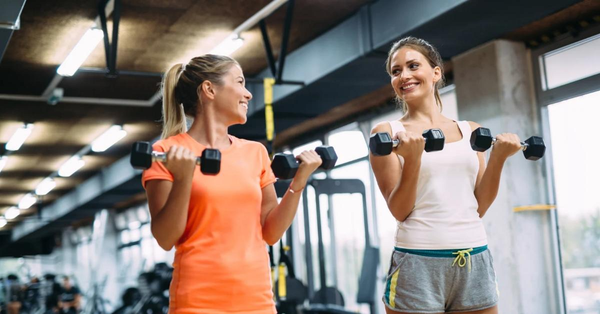

There’s a particular thrill in moving fast, resting briefly, and pushing again, the pulse racing, breath steady, and sweat reminding you of your own power. High-Intensity Interval Training, or HIIT, is that perfect blend of challenge and reward. It’s the science of short bursts of intense activity followed by short recovery periods, and it has become the go-to workout for those who want maximum burn in minimum time.
For women, especially across menstrual phases, HIIT can be deeply effective when done mindfully. The goal is not to exhaust but to energize.
HIIT alternates between high-intensity effort (like sprinting or jump squats) and brief rest. This format keeps your heart rate up and pushes your metabolism to stay elevated even after the workout ends, a process called afterburn or EPOC (Excess Post-Exercise Oxygen Consumption).
Medical research shows that HIIT:
Improves insulin sensitivity and metabolism
Boosts cardiovascular and lung capacity
Helps regulate cortisol and other stress hormones
Burns more fat than steady-state cardio in less time
A typical HIIT session lasts just 15–25 minutes, making it perfect for busy days when you still want a full workout.
Your menstrual hormones directly influence energy, endurance, and recovery.
Follicular phase (after your period): Rising estrogen supports strength and quicker recovery, making it ideal for HIIT.
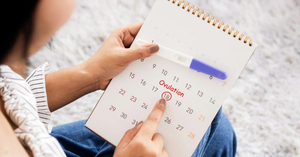
Ovulation: Energy and coordination peak, so you can safely push your limits.
Luteal phase: Slightly slower recovery—opt for moderate HIIT or shorter rounds.
Menstrual phase: Focus on rest, stretching, or light movement; avoid pushing too hard.
Adapting HIIT to your cycle prevents fatigue and supports long-term hormonal balance.
You can do this at home, in a park, or at the gym—no fancy equipment needed. Always warm up for 5 minutes with joint rotations and gentle jogging.
1. Jump Squats – 40 seconds
Engage your legs and glutes; feel the heart rate rise.
Rest – 20 seconds
2. Mountain Climbers – 40 seconds
Drive your knees toward the chest, keeping your back straight.
Rest – 20 seconds
3. Jumping Jacks – 40 seconds
A full-body movement that keeps blood flowing smoothly.
Rest – 20 seconds
4. Push-ups or Knee Push-ups – 40 seconds
Build upper-body strength and core endurance.
Rest – 20 seconds
5. High Knees – 40 seconds
Finish with speed and energy.
Rest – 60 seconds, then repeat the full circuit 3–4 times.
Cool down afterward with deep breathing and light stretching. This prevents lactic acid buildup and helps muscles recover faster.
Never skip warm-ups or cool-downs. They prepare the body and prevent cramps or muscle strain.
Hydrate well. Sweating depletes electrolytes; sip water or coconut water before and after.
Fuel your workout. Include pre-workout carbohydrates (like a banana) and post-workout protein for recovery.
Avoid overtraining. Two to three HIIT sessions a week are enough for most women.
Prioritize rest. Sleep and recovery days are when real fitness gains happen.
Pushing too hard without rest can increase cortisol, disturb cycles, and cause burnout.
HIIT does more than sculpt the body. It supports mental clarity and emotional stability by releasing endorphins and serotonin, natural mood lifters. Studies also show that regular HIIT can ease PMS symptoms, reduce bloating, and regulate insulin, which indirectly helps with hormonal acne and period irregularity.
It’s a reminder that fitness is not punishment. It’s a conversation between energy and rest.
Skip or modify HIIT if you are:
Having severe cramps or heavy bleeding
Experiencing dizziness, fatigue, or low blood pressure
Under stress or poor sleep
In such times, gentle walks or stretching are far more healing. The aim is long-term balance, not momentary exhaustion.
Every round of HIIT teaches patience, power, and resilience. It’s a space to rebuild your relationship with your body especially when hormones fluctuate. The sweat you shed is not about losing; it’s about releasing.
HIIT, practiced with awareness, helps women build stamina, burn fat efficiently, and feel strong in every phase of their cycle.
“Discipline is choosing between what you want now and what you want most.”
Your body wants to move, to strengthen, and to feel alive. HIIT gives you that fast, fiery, and fulfilling experience.
Dr. Shreya Karan is a dedicated oral and maxillofacial surgeon who brings over ten years of experience to her practice, combining surgical expertise with genuine care for her patients. She is dedicated to empowering women with accurate, evidence-based health information, helping them make informed decisions about their well-being.
About PeriodSakhi
PeriodSakhi is your trusted companion for understanding your menstrual health. With easy-to-use tools, it helps you track your periods, ovulation, fertility, moods, and symptoms, while providing insights into your overall reproductive and hormonal health. PeriodSakhi also serves as a supportive online community where women can share experiences, find reliable information, and access expert-backed guidance on menstrual health, PCOS, pregnancy, lifestyle, and more.
Disclaimer
The views, thoughts, and opinions expressed in this article/blog are solely those of the author and do not necessarily reflect the views of PeriodSakhi. Any omissions, errors, or inaccuracies are the responsibility of the author. PeriodSakhi assumes no liability or responsibility for any content presented. Always consult a qualified medical professional for specific advice related to menstrual health, fertility, pregnancy, or related conditions.