
Period cramps can feel like a tight knot twisting your lower belly. Many women prefer to rest, and rest is important. Still, light movement often helps more than lying still because it improves blood flow, relaxes pelvic muscles, and supports natural pain-relief hormones like endorphins. Gentle workouts are not about pushing harder. They are about listening to your body and supporting comfort.
Menstrual cramps happen when the uterus contracts to shed the lining. Some inflammation and restricted blood flow worsen the pain. Slow, mindful movement increases circulation, reduces muscle tension, and boosts mood by releasing feel-good chemicals. Exercise can also lower stress hormones that make cramps feel stronger.
Throughout your cycle, energy can rise and fall. Menstrual days are typically lower-energy, which makes gentle workouts a smart choice.
Stretching relaxes tight lower-abdominal and lower-back muscles. These areas usually carry most period discomfort. Simple stretches can ease pressure and reduce stiffness.
Child’s Pose
Kneel, fold forward, and bring your chest close to the thighs. This soft posture relaxes your back and releases tension from the hips.
Supine Knee-to-Chest Stretch
Lie on your back. Bring your knees slowly toward your chest and hug them. It lightly massages the pelvic area.
Cat-Cow Movement
Move your spine gently from arch to curve on hands and knees. Breathing with movement soothes the muscles around the uterus.
Doing these stretches for a few minutes at home can give immediate relief.
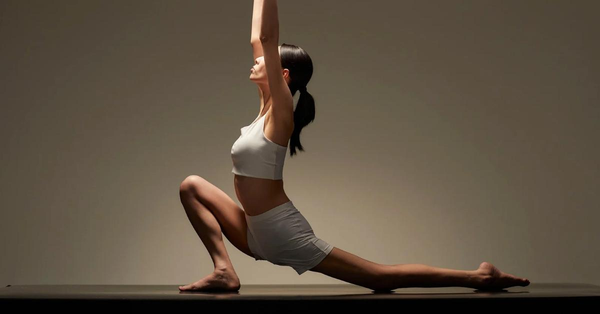
Yoga supports both the body and mind during periods. Focusing on breathing reduces anxiety and discomfort. Some helpful poses include:
Cobra Pose
Opens the abdomen and may relieve cramping by improving blood flow.
Seated Forward Fold
Gently stretches back muscles that tense during cramps.
Butterfly Pose
Loosens inner thighs and pelvic muscles, often easing pressure.
Slow transitions and a calm breathing rhythm are key. Avoid positions that put direct pressure on the belly if you feel sore.
A short walk can make an amazing difference. Even 10 minutes outdoors can:
Improve blood circulation
Reduce bloating
Lift mood
Support digestion
Choose soft surfaces if possible, like a park path. Keep your pace gentle, not rushed. Comfortable shoes and easy breaths are all you need.
Hormones increase laxity in ligaments during periods, so high-intensity core workouts may not feel good. Pilates uses controlled movements that strengthen deep core muscles gently. This improves posture and reduces back pain related to cramps.
Start with beginner routines such as pelvic tilts or gentle leg lifts while focusing on slow breathing. Stop any movement that increases discomfort.
Sometimes cramps worsen because tension builds up. Slow breathing helps your nervous system shift to a calmer state. This lowers pain perception.
Try this simple technique:
Place a hand on your belly. Inhale through the nose for four seconds, feeling your abdomen lift. Exhale for six seconds. Continue for a few minutes.
This reduces stress and helps abdominal muscles relax, easing pain naturally.
If you have access to a pool, water movement feels supportive and soothing. Light swimming or water walking reduces pressure on joints and belly. Water resistance keeps the body active without strain. Warm water can feel particularly comforting.
Avoid swimming only if your flow is too heavy or if you feel dizzy.
Movement should never lead to sharp pain, dizziness, or extreme fatigue. Every body and every cycle is different. Some days you may feel up for a full routine. Other days, stretching for five minutes is enough.
Signs to take a break include:
Very severe cramps
Heavy bleeding with weakness
High fatigue
Fever or discomfort from illness
Listening to your body prevents stress and helps with faster recovery.
Muscles need fluid and electrolytes to function well. Sipping warm water, ginger tea, coconut water, or herbal infusions can calm inflammation and reduce pain. Eating balanced meals with magnesium and omega-3 fatty acids such as nuts, seeds, and leafy greens helps support muscle relaxation.
These small habits make your gentle workouts more effective.
Your period is a time for softness and care. Gentle workouts honor comfort while boosting energy and mood. You do not need to push through pain or force intensity. Small steps like stretching in bed or taking a slow walk are enough to help the body feel lighter. Movement becomes meaningful when it respects your natural rhythm. Cramp relief, emotional comfort, and a sense of strength shine through when the body feels supported.
About PeriodSakhi
PeriodSakhi is your trusted companion for understanding your menstrual health. With easy-to-use tools, it helps you track your periods, ovulation, fertility, moods, and symptoms, while providing insights into your overall reproductive and hormonal health. PeriodSakhi also serves as a supportive online community where women can share experiences, find reliable information, and access expert-backed guidance on menstrual health, PCOS, pregnancy, lifestyle, and more.
Disclaimer
The views, thoughts, and opinions expressed in this article/blog are solely those of the author and do not necessarily reflect the views of PeriodSakhi. Any omissions, errors, or inaccuracies are the responsibility of the author. PeriodSakhi assumes no liability or responsibility for any content presented. Always consult a qualified medical professional for specific advice related to menstrual health, fertility, pregnancy, or related conditions.