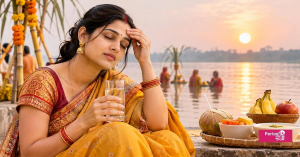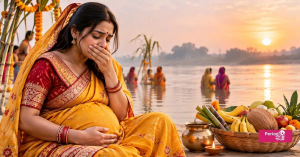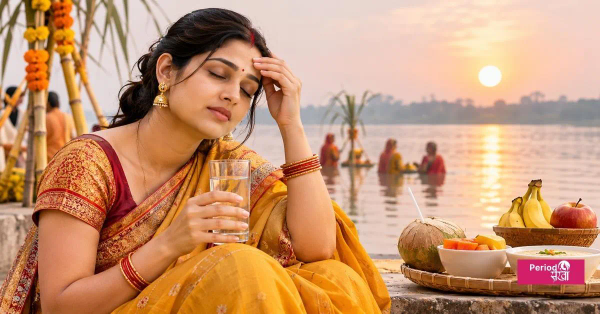

The final morning arghya has been offered. The baskets are being brought home, the household is slowly returning to its usual rhythm, and the days of preparation and devotion are finally coming to an end. For many families, Chhath Puja is an emotionally significant occasion. But behind the celebrations are several days of physical effort: cleaning, cooking, arranging offerings, travelling to the ghat, standing for long periods and, for those observing the traditional fast, going without food and water for an extended duration. Once the rituals are over, some people may notice unusual tiredness, headaches, dizziness, dry mouth or a general feeling of weakness. Others may experience digestive discomfort when they return to regular meals. These symptoms deserve attention. They may be signs that the body needs fluids, nourishment and rest after a demanding period. Chhath is a celebration of gratitude and devotion, but recovery is also an important part of looking after one's health. Understanding how fasting, dehydration and physical exertion affect the body can help people return to their regular routines safely.
The days surrounding Chhath involve more than fasting alone. The combination of reduced fluid intake, irregular meals, physical activity and disrupted sleep can leave the body feeling depleted. Several factors may contribute to post-festival exhaustion.
One of the most physically demanding aspects of Chhath Puja is the traditional nirjala fast, during which devotees abstain from both food and water. The body continuously loses water through urine, sweat, breathing and other normal processes. When fluid intake is restricted, these losses cannot be adequately replaced. The risk may become greater when people spend several hours outdoors, walk long distances or stand near water bodies during the evening and morning rituals. Dehydration occurs when the body loses more fluid than it takes in. Even relatively mild dehydration can contribute to thirst, headaches, tiredness and difficulty concentrating. More significant dehydration can affect circulation, kidney function and the body's ability to regulate temperature.
Chhath preparations often begin well before the actual fasting days.
Cleaning the house, preparing traditional food, arranging fruits and offerings, shopping and managing household responsibilities can involve considerable physical activity.
For someone who is also fasting, these activities may feel more demanding than usual.
Long periods of standing, walking and travelling can contribute to muscle tiredness and general exhaustion. If fluid and food intake have also been restricted, recovery may take longer.
Early mornings and late evenings are part of the festival routine. Some devotees wake up before sunrise, while others remain awake late into the night managing preparations. Travelling to the ghat and participating in rituals can further interrupt normal sleep timings. Sleep is important for physical recovery, concentration, mood regulation and general well-being. When sleep becomes irregular for several days, daytime tiredness can become more noticeable.
Festive meals may be different from everyday food. People may eat larger portions, consume more sweets or return to regular meals after a prolonged period of restricted intake. After fasting, some people experience bloating, acidity, nausea or a feeling of heaviness. Eating a large meal immediately after an extended fast may be uncomfortable, particularly if the digestive system has been accustomed to very little food. A gradual return to normal meals is generally more comfortable than trying to compensate for missed meals all at once.
Water is essential for several functions, including regulating body temperature, maintaining blood volume, transporting nutrients and supporting normal kidney function. When fluid intake is inadequate, the body tries to conserve water. Urine may become darker and less frequent, while thirst becomes more noticeable. As dehydration progresses, other symptoms may appear.
Level of concern | Possible symptoms | What to do |
|---|---|---|
Early dehydration | Thirst, dry mouth, darker urine, mild headache | Begin drinking fluids regularly |
More significant dehydration | Dizziness, reduced urination, marked tiredness, weakness | Seek medical advice, particularly if symptoms persist |
Severe dehydration | Confusion, fainting, very little or no urine, rapid heartbeat or breathing | Seek urgent medical attention |
Symptoms can vary, and not everyone experiences them in the same order. Severe dehydration is a medical concern and should not be managed through home remedies alone.
People with diabetes, kidney disease, heart conditions, older adults, pregnant women and those taking certain medicines may need additional care.
The body does not need an extreme recovery programme after fasting. It needs adequate fluids, suitable food and enough time to recover. The following steps can help support a comfortable return to your regular routine.
After a period of water restriction, drinking fluids becomes a priority.
However, avoid forcing yourself to drink a very large quantity of water all at once. Begin with manageable amounts and continue drinking regularly.
You can include:
Plain drinking water.
Oral rehydration solution (ORS) when appropriate, particularly if there has been significant fluid loss.
Coconut water.
Clear soups.
Water-rich fruits such as oranges, watermelon and cucumber.
ORS contains water, glucose and electrolytes in specific proportions. It is useful for replacing fluid and salts lost through diarrhoea, vomiting and certain other conditions. It is not necessary for everyone after a routine fast. If using an ORS sachet, prepare it with exactly the quantity of safe water mentioned on the packet. Do not make it more concentrated or dilute than instructed. People with kidney or heart conditions, or those who have been advised to restrict fluids, should follow their healthcare professional's recommendations.
After fasting, the temptation to eat a large meal can be strong. However, a gradual return to regular food may be more comfortable. Start with foods that are familiar and easy to tolerate.
Food | How it can help |
|---|---|
Rice or soft khichdi | Provides carbohydrates and is often easy to eat |
Dal | Supplies plant-based protein |
Curd | Provides protein and may be comfortable for people who tolerate dairy |
Bananas | Provide carbohydrates and potassium |
Seasonal fruits | Add fluids, fibre and essential nutrients |
Cooked vegetables | Provide fibre and a range of micronutrients |
Eggs or other protein foods | Help meet daily protein requirements |
You do not need to avoid carbohydrates or completely eliminate festive food. A balanced meal containing carbohydrates, protein and vegetables is a sensible way to return to normal eating. If you feel nauseated or unusually full, eat smaller portions and increase them as your appetite returns.
Electrolytes such as sodium and potassium help regulate fluid balance, nerve function and muscle activity. When a person loses substantial fluid through sweating, vomiting or diarrhoea, electrolyte levels may also be affected. For most people who have simply completed a fast and are otherwise well, regular meals and adequate fluid intake are sufficient. If there has been significant fluid loss, a clinician may recommend an appropriate rehydration solution. Avoid taking electrolyte supplements or high-salt drinks unnecessarily.
After days of physical activity and disrupted sleep, rest should be treated as part of recovery.
Try to:
Return to a consistent bedtime.
Aim for around 7–9 hours of sleep if you are an adult.
Avoid strenuous exercise for a short period if you feel weak.
Take breaks between household and work responsibilities.
Resume your usual physical activity gradually.
If you still feel dizzy or weak, do not attempt intense exercise or long walks.
You may feel ready to return to your regular exercise routine immediately after the festival, but listen to how your body feels.
Start with gentle movement, such as a short walk or light stretching. Increase activity as your energy improves.
If you experience dizziness, unusual breathlessness, palpitations or persistent weakness, stop exercising and seek medical advice.
Recovery should be gradual rather than another physical challenge.
Women may experience additional physical demands during the festive period, particularly when they are responsible for cooking, cleaning, caregiving and organising household preparations.
These responsibilities can continue even when they are fasting or physically exhausted.
There are also certain health considerations that deserve attention.
Women who experience heavy menstrual bleeding may already have low iron levels or iron-deficiency anaemia.
If they also experience prolonged fasting, inadequate food intake or significant physical exertion, fatigue may become more noticeable.
Iron deficiency can cause tiredness, weakness, headaches, dizziness and reduced exercise tolerance.
If exhaustion continues after the festival, particularly alongside heavy periods, breathlessness or palpitations, consult a healthcare professional. A blood test may be recommended to assess haemoglobin and iron status.
Pregnancy and breastfeeding can increase nutritional and fluid requirements.
A pregnant woman who experiences vomiting, poor appetite or dehydration may be particularly vulnerable to complications from prolonged fasting.
Breastfeeding women also need adequate fluid and nutritional intake to support their own health and milk production.
Women who are pregnant or breastfeeding should discuss fasting with their healthcare professional rather than assuming that a traditional fasting routine is suitable for them.
Fatigue can also be influenced by thyroid disorders, diabetes, sleep problems and other medical conditions.
It is important not to attribute every episode of exhaustion to hormones or festival-related fasting. If symptoms are persistent or unusual, they deserve proper evaluation.
There is no fixed recovery period for everyone. The following routine is a practical starting point for people who are otherwise healthy and experiencing mild tiredness after the festival.
Focus | First day after Chhath | Second day after Chhath |
|---|---|---|
Hydration | Drink water regularly and include fluids with meals | Continue regular hydration |
Food | Begin with smaller, balanced meals | Return towards your usual meal pattern |
Sleep | Prioritise a full night's rest | Maintain consistent sleep timings |
Movement | Rest and try gentle stretching if comfortable | Take a short walk if energy permits |
Work | Avoid unnecessary physical exertion | Gradually resume normal responsibilities |
Self-care | Pay attention to thirst, urine output and dizziness | Check whether energy and appetite are improving |
This is not a substitute for medical treatment. If you have significant dehydration or persistent symptoms, you may need professional assessment rather than a home recovery routine.
The period after fasting is not the right time to put additional pressure on your body.
A few habits are best avoided:
Do not overeat immediately. Large meals may cause discomfort, particularly after prolonged food restriction.
Do not use detox drinks or cleansing diets. Your liver and kidneys already perform essential functions involved in processing substances and removing waste. Special detox products are not required after Chhath.
Do not rely on excessive caffeine. Tea and coffee may be part of your usual routine, but they should not replace water or meals.
Do not begin intense exercise while feeling weak. Give your body time to recover before returning to strenuous workouts.
Do not ignore persistent dizziness or reduced urination. These may be signs of dehydration that require medical attention.
Mild thirst and tiredness may improve with appropriate fluids, food and rest. However, certain symptoms should never be dismissed as ordinary post-fasting weakness.
Seek medical advice if you experience:
Persistent dizziness or light-headedness.
Very dark urine or significantly reduced urination.
Repeated vomiting or diarrhoea.
Unusual weakness that does not improve.
A rapid or irregular heartbeat.
Difficulty keeping fluids down.
Seek urgent medical attention if you faint, become confused, develop severe breathlessness or experience other signs of serious illness.
Older adults, pregnant women, children and people with chronic medical conditions may need earlier assessment.
1. How long does it take to recover after the Chhath fast?
There is no fixed recovery time. Mild tiredness may improve after adequate hydration, food and sleep. Recovery depends on the duration of fasting, physical exertion, weather conditions and individual health. Persistent or worsening symptoms should be assessed by a healthcare professional.
2. What should I drink after a nirjala fast?
Start with plain water and continue drinking regularly. Other fluids can include soups or coconut water. ORS may be useful if there has been significant fluid loss, but it is not necessary for everyone. People with medical fluid restrictions should follow their doctor's advice.
3. Is coconut water enough to treat dehydration?
Coconut water provides fluid and potassium, but it is not a replacement for medical treatment when dehydration is significant. ORS is specifically formulated to replace water and electrolytes in appropriate situations.
4. Why do I feel weak even after eating following Chhath?
Fatigue may not disappear immediately after a meal. Sleep disruption, dehydration, physical exertion and inadequate overall food intake can all contribute. If weakness continues despite rest and adequate intake, seek medical advice.
5. Should I exercise the day after Chhath?
If you feel well, gentle walking or stretching may be comfortable. Avoid strenuous exercise if you are dizzy, weak or dehydrated. Return to your usual routine gradually.
6. Can fasting affect menstrual health?
Prolonged or repeated periods of inadequate energy intake can affect reproductive hormone signalling in some circumstances. However, a single fast does not automatically cause menstrual irregularities. If your periods become persistently irregular or you experience significant changes, consult a healthcare professional.
7. Do I need a special detox after Chhath?
No. Your body does not need a detox drink or cleansing diet after fasting. Adequate fluids, balanced meals, sufficient sleep and a gradual return to everyday activities are generally more appropriate.
Chhath Puja brings families together through devotion, discipline and gratitude. But the physical effort behind the celebrations should not be overlooked. After days of fasting, restricted water intake, early mornings and long hours of preparation, the body may need time to restore its usual balance. Do not ignore thirst, dizziness or unusual weakness. Eat nourishing meals, drink fluids regularly, rest when needed and seek medical advice if symptoms persist. At PeriodSakhi, we believe that women's wellness and everyday health begin with understanding the body's needs. Festivals are an important part of our cultural identity, but taking care of ourselves should remain part of every celebration. The prayers may conclude with the morning arghya, but looking after your health continues long after the festival ends.
National Health Service (NHS). Dehydration. https://www.nhs.uk/conditions/dehydration/
World Health Organization (WHO). Oral rehydration salts: Production of the new ORS. https://www.who.int/publications/i/item/WHO-FCH-CAH-06.1
Centers for Disease Control and Prevention (CDC). About Water and Healthier Drinks. https://www.cdc.gov/healthy-weight-growth/water-healthy-drinks/
National Health Service (NHS). Tiredness and fatigue. https://www.nhs.uk/conditions/tiredness-and-fatigue/
World Health Organization (WHO). Healthy diet. https://www.who.int/news-room/fact-sheets/detail/healthy-diet
National Institute of Diabetes and Digestive and Kidney Diseases (NIDDK). Eating, Diet, and Nutrition for Constipation. https://www.niddk.nih.gov/health-information/digestive-diseases/constipation/eating-diet-nutrition
National Health Service (NHS). Iron deficiency anaemia. https://www.nhs.uk/conditions/iron-deficiency-anaemia/
About PeriodSakhi
PeriodSakhi is your trusted companion for understanding your menstrual health. With easy-to-use tools, it helps you track your periods, ovulation, fertility, moods, and symptoms, while providing insights into your overall reproductive and hormonal health. PeriodSakhi also serves as a supportive online community where women can share experiences, find reliable information, and access expert-backed guidance on menstrual health, PCOS, pregnancy, lifestyle, and more.
Disclaimer
The views, thoughts, and opinions expressed in this article/blog are solely those of the author and do not necessarily reflect the views of PeriodSakhi. Any omissions, errors, or inaccuracies are the responsibility of the author. PeriodSakhi assumes no liability or responsibility for any content presented. Always consult a qualified medical professional for specific advice related to menstrual health, fertility, pregnancy, or related conditions.