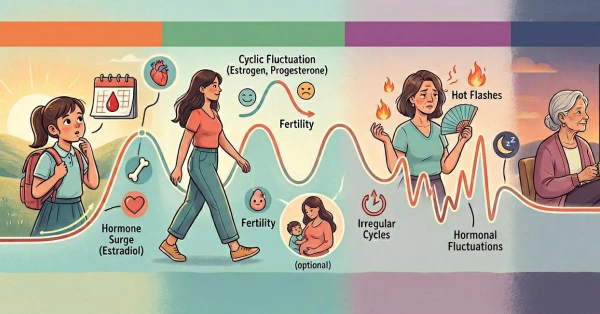

Menstruation is a natural biological process experienced by millions of people worldwide, yet it continues to be surrounded by confusion, embarrassment, and misinformation. From misconceptions about hygiene and food restrictions to misunderstandings about pain and irregular cycles, menstrual myths can affect how individuals understand and care for their bodies.
A healthy understanding of periods helps people recognize normal changes, identify warning signs early, and seek appropriate medical support when needed. Menstrual health is not only about managing bleeding; it involves hormonal balance, reproductive health, physical comfort, emotional well-being, and access to accurate information.
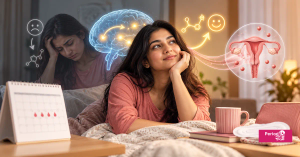
The menstrual cycle is a monthly process controlled by hormones that prepares the body for a possible pregnancy. It involves changes in the ovaries, uterus, and hormone levels.
A typical menstrual cycle has four main phases:
This is the phase when menstrual bleeding occurs. The uterus sheds its inner lining because pregnancy has not occurred.
Bleeding usually lasts between 2 and 7 days, although duration can vary among individuals.
During this phase, the hormone estrogen helps the uterine lining grow again. An egg begins developing inside the ovary.
Ovulation occurs when the ovary releases a mature egg. This usually happens around the middle of the cycle but timing can vary.
After ovulation, progesterone helps prepare the uterus for possible pregnancy. If pregnancy does not occur, hormone levels decrease, leading to menstruation.
A menstrual cycle is often described as 28 days, but healthy cycles can normally range between approximately 21 and 35 days in adults.
Menstrual blood is not dirty or harmful. It is a combination of blood, tissue from the uterine lining, and vaginal secretions.
Menstruation is a normal body function and does not indicate that the body is removing “toxins” or impurities.
Physical activity during menstruation is generally safe and may actually help reduce discomfort.
Gentle exercises such as walking, stretching, yoga, and light workouts can improve blood circulation and may reduce menstrual cramps by promoting the release of endorphins, the body’s natural pain-relieving chemicals.
However, activity levels should be adjusted according to comfort and energy levels.
Mild cramps are common during menstruation. They occur due to uterine contractions caused by chemicals called prostaglandins.
However, severe pain that interferes with daily activities should not be considered normal. Conditions such as endometriosis, fibroids, or adenomyosis can cause significant menstrual pain and require medical evaluation.
Seek medical advice if:
Pain prevents normal activities.
Pain suddenly becomes worse.
Pain occurs outside periods.
Pain is not improving with usual measures.
Although pregnancy is less likely during menstruation, it is still possible.
Sperm can survive inside the reproductive tract for several days, and individuals with shorter or irregular cycles may ovulate soon after their period ends.
Understanding the fertile window is important for both pregnancy planning and contraception.
Some variation in cycle length is normal. However, major changes in menstrual patterns may indicate an underlying issue.
Irregular periods can occur due to:
Stress
Weight changes
Excessive exercise
Polycystic ovary syndrome (PCOS)
Thyroid disorders
Hormonal changes
Tracking periods can help identify unusual patterns.
Maintaining menstrual hygiene is important for comfort and preventing irritation or infections.
Healthy menstrual hygiene practices include:
Pads, tampons, and menstrual cups should be used according to recommended guidelines.
Keeping menstrual products unchanged for long periods may increase discomfort and irritation.
The vulva can be cleaned with water and mild, unscented products if needed. The vagina naturally cleans itself and does not require internal washing or douching.
The best menstrual product depends on personal preference, lifestyle, flow, and comfort.
Options include:
Disposable pads
Tampons
Menstrual cups
Reusable menstrual products
Menstruation can affect energy levels and nutritional needs. Blood loss during periods may contribute to iron loss, especially in individuals with heavy bleeding.
A balanced diet can support menstrual health.
Include:
Iron-rich foods such as lentils, leafy greens, beans, and fortified foods
Vitamin C sources to improve iron absorption
Protein-rich foods for energy and tissue repair
Adequate fluids to prevent fatigue and headaches
Individuals with heavy periods may require evaluation for iron deficiency.
Many individuals experience physical and emotional changes before their periods due to hormonal fluctuations.
Common premenstrual symptoms include:
Breast tenderness
Mood changes
Bloating
Food cravings
Fatigue
Mild abdominal discomfort
Lifestyle measures that may help include:
Regular physical activity
Adequate sleep
Balanced meals
Stress management
Severe symptoms affecting daily life may indicate premenstrual disorders requiring medical attention.
Menstrual patterns vary, but certain symptoms should be evaluated.
Seek medical advice if you experience:
Extremely heavy bleeding
Periods lasting longer than 7 days regularly
No periods for several months without pregnancy
Severe pelvic pain
Bleeding between periods
Sudden changes in your usual cycle
Early evaluation can help diagnose and manage conditions affecting menstrual health.
Improving menstrual health involves:
Learning about your own cycle
Tracking symptoms and bleeding patterns
Maintaining proper hygiene
Eating a nutritious diet
Staying physically active
Seeking medical advice when symptoms are concerning
Open conversations about menstruation also help reduce stigma and encourage better healthcare decisions.
Periods are a natural and important part of reproductive health, but myths and misinformation can prevent people from understanding their bodies. Menstruation is not something to feel ashamed of or hide; it is a normal biological process that deserves accurate information and proper care.
Understanding how periods work, recognizing what is normal, and knowing when to seek medical help can empower individuals to take better control of their health. Menstrual education is an essential step toward creating healthier attitudes, improving comfort, and ensuring that period-related concerns receive the attention they deserve.
Critchley HOD, Babayev E, Bulun SE, et al. Menstruation: science and society. American Journal of Obstetrics and Gynecology. 2020. Available through PubMed.
ACOG Committee Opinion. Dysmenorrhea and Endometriosis in the Adolescent. American College of Obstetricians and Gynecologists.
NHS. Periods and menstrual health information. National Health Service, UK.
World Health Organization (WHO). Adolescent health and menstrual health resources.
Iacovides S, Avidon I, Baker FC. What we know about primary dysmenorrhea today: a critical review. Human Reproduction Update. 2015;21(6):762–778. Available through PubMed.
About PeriodSakhi
PeriodSakhi is your trusted companion for understanding your menstrual health. With easy-to-use tools, it helps you track your periods, ovulation, fertility, moods, and symptoms, while providing insights into your overall reproductive and hormonal health. PeriodSakhi also serves as a supportive online community where women can share experiences, find reliable information, and access expert-backed guidance on menstrual health, PCOS, pregnancy, lifestyle, and more.
Disclaimer
The views, thoughts, and opinions expressed in this article/blog are solely those of the author and do not necessarily reflect the views of PeriodSakhi. Any omissions, errors, or inaccuracies are the responsibility of the author. PeriodSakhi assumes no liability or responsibility for any content presented. Always consult a qualified medical professional for specific advice related to menstrual health, fertility, pregnancy, or related conditions.