“Small habits practiced consistently can often bring more comfort than we expect, especially during the most uncomfortable days of the menstrual cycle.”
For many women and girls, period cramps are more than just a monthly inconvenience. They can affect concentration, mood, sleep, productivity, and overall quality of life. Menstrual pain, medically known as dysmenorrhea, is one of the most common gynecological complaints worldwide. According to the World Health Organization (WHO), menstrual pain affects a significant proportion of menstruating individuals and can interfere with daily activities, school attendance, and work performance.
While medications such as non-steroidal anti-inflammatory drugs (NSAIDs) remain a common treatment option, many women are increasingly looking for simple, non-drug strategies to manage discomfort. Two approaches that have gained attention from both healthcare professionals and researchers are heat therapy and establishing a supportive morning routine.
But can a heat pad and the right start to the day really make period cramps more manageable?
The answer, supported by research from institutions such as the NHS, Cleveland Clinic, and studies indexed in PubMed, is yes. While these approaches may not eliminate menstrual pain entirely, they can significantly improve comfort and help women cope better with their symptoms.
Before discussing solutions, it helps to understand what causes menstrual cramps.
During menstruation, the uterus contracts to shed its lining. These contractions are triggered by hormone-like substances called prostaglandins. Higher levels of prostaglandins are associated with stronger uterine contractions and increased pain.
Common symptoms include:
Cramping pain in the lower abdomen
Lower back pain
Thigh pain
Nausea
Fatigue
Headaches
Digestive discomfort
For most women, these symptoms are classified as primary dysmenorrhea, meaning the pain is not caused by an underlying medical condition. However, severe or worsening cramps may sometimes indicate conditions such as Endometriosis or Adenomyosis and should be evaluated by a healthcare professional.
Among non-pharmacological treatments, heat therapy has some of the strongest evidence supporting its use.
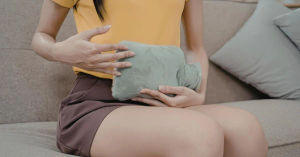
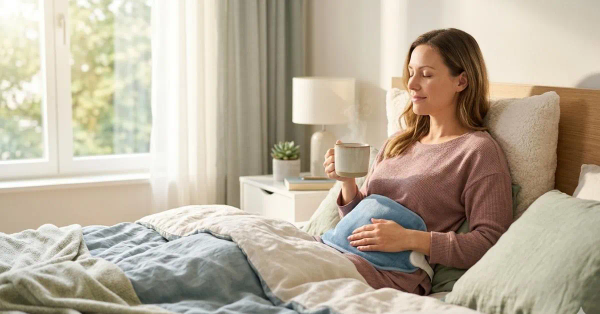
A heat pad works by increasing blood circulation to the affected area and relaxing uterine and abdominal muscles. This helps reduce muscle tension and may decrease the intensity of pain signals being sent to the brain.
Several studies published in PubMed have found that continuous low-level heat therapy can provide relief comparable to some over-the-counter pain medications for mild to moderate menstrual cramps.
The Cleveland Clinic also recognizes heat application as one of the simplest and most effective home remedies for menstrual discomfort.
The warmth helps relax the muscles of the uterus and surrounding pelvic region. Reduced muscle tension often translates into less cramping.
Heat increases circulation, bringing oxygen-rich blood to tissues that may be experiencing reduced blood flow due to uterine contractions.
Many women prefer minimizing medication use whenever possible. Heat therapy offers a safe, non-invasive option that can be used alongside other treatments.
Pain often causes stress, and stress can worsen pain perception. The soothing sensation of warmth may help reduce anxiety and improve overall comfort.
To gain maximum benefit while avoiding burns:
Use a heat pad on the lower abdomen or lower back.
Follow manufacturer instructions carefully.
Avoid sleeping with an electric heat pad turned on.
Use a cloth barrier if the heat feels too intense.
Limit direct exposure if you have sensitive skin.
Warm water bottles and microwaveable heating pads can also provide similar benefits.
The first few hours after waking up can significantly influence how you feel throughout the day.
During menstruation, hormonal fluctuations may affect energy levels, hydration status, mood, and digestion. A supportive morning routine can help address these factors before symptoms become more intense.
Rather than pushing through discomfort, a period-friendly morning routine focuses on supporting the body’s needs.
Many women wake up feeling bloated or fatigued during their period.
Drinking water shortly after waking can help:
Improve circulation
Reduce dehydration-related headaches
Support digestion
Minimize bloating
Some women also find warm water comforting because it may relax abdominal muscles and create a soothing effect.
Skipping breakfast may worsen fatigue and leave the body with fewer resources to manage discomfort.
A balanced breakfast should ideally include:
Protein
Complex carbohydrates
Healthy fats
Fiber
Examples include:
Oats with nuts and fruit
Vegetable poha with peanuts
Whole-grain toast with eggs
Yogurt with seeds and berries
These foods help maintain stable blood sugar levels and support sustained energy throughout the morning.
When cramps strike, exercise may feel like the last thing you want to do. However, research suggests that light physical activity can reduce menstrual pain.
Gentle options include:
Walking
Stretching
Yoga
Mobility exercises
Physical activity stimulates the release of endorphins, the body’s natural pain-relieving chemicals.
The NHS recommends staying active during periods, as movement can help reduce discomfort and improve mood.
Pain is not only a physical experience; it is also influenced by emotional and psychological factors.
A few minutes of:
Deep breathing
Meditation
Guided relaxation
Mindfulness exercises
may help lower stress levels and improve pain tolerance.
Even five minutes of calm breathing in the morning can create a noticeable difference in how cramps are experienced throughout the day.
Many women wait until cramps become severe before reaching for a heat pad.
However, using heat at the first sign of discomfort may help prevent pain from escalating.
A practical routine could include:
Waking up
Drinking water
Doing light stretches
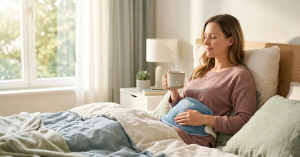
Applying a heat pad while reading or preparing for the day
This combination addresses multiple contributors to menstrual discomfort at once.
Heat therapy and healthy morning habits work through different mechanisms.
Heat directly targets pain and muscle tension.
Morning habits address broader factors such as:
Hydration
Circulation
Stress
Energy levels
Hormonal responses
When combined, these approaches may create a cumulative effect that improves overall comfort during menstruation.
For example:
A woman who starts her day with hydration, gentle stretching, and heat therapy may experience less stiffness, better blood flow, reduced stress, and lower pain intensity compared to someone who skips breakfast, remains sedentary, and waits until pain becomes severe.
Beyond heat pads and morning routines, other evidence-supported strategies include:
Poor sleep has been associated with increased pain sensitivity. Prioritizing quality sleep during the menstrual phase may improve symptom management.
Foods rich in omega-3 fatty acids, fruits, vegetables, and whole grains may support overall menstrual health.
Some women notice that excessive caffeine worsens anxiety, breast tenderness, or bloating during their periods.
Chronic stress may increase the perception of pain and make menstrual symptoms feel more intense.
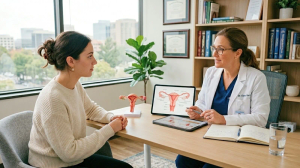
While mild to moderate cramps are common, certain symptoms should not be ignored.
Consult a healthcare provider if you experience:
Sudden severe pain
Pain that worsens over time
Heavy menstrual bleeding
Fainting episodes
Pain that does not respond to home remedies or medication
Menstrual symptoms that interfere significantly with daily life
These signs may indicate an underlying condition requiring medical evaluation.
A heat pad may seem like a simple remedy, but scientific evidence suggests it can be an effective tool for reducing menstrual cramps. By relaxing muscles, improving circulation, and providing comforting warmth, heat therapy offers a practical, drug-free option for managing period pain.
When paired with a thoughtful morning routine that includes hydration, nourishing food, gentle movement, and stress management, the benefits can be even greater. While these strategies may not completely eliminate menstrual discomfort, they can help many women feel more comfortable, energized, and in control during their periods.
Sometimes, managing period cramps is not about finding one perfect solution. It is about combining small, evidence-based habits that work together to support the body through each menstrual cycle. A heat pad and a healthy morning routine may be among the simplest places to start.

About PeriodSakhi
PeriodSakhi is your trusted companion for understanding your menstrual health. With easy-to-use tools, it helps you track your periods, ovulation, fertility, moods, and symptoms, while providing insights into your overall reproductive and hormonal health. PeriodSakhi also serves as a supportive online community where women can share experiences, find reliable information, and access expert-backed guidance on menstrual health, PCOS, pregnancy, lifestyle, and more.
Disclaimer
The views, thoughts, and opinions expressed in this article/blog are solely those of the author and do not necessarily reflect the views of PeriodSakhi. Any omissions, errors, or inaccuracies are the responsibility of the author. PeriodSakhi assumes no liability or responsibility for any content presented. Always consult a qualified medical professional for specific advice related to menstrual health, fertility, pregnancy, or related conditions.