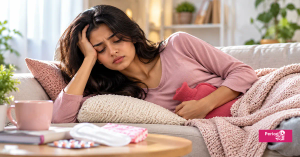

Finishing a menstrual cycle often feels like a relief. The cramps ease, the flow stops, and life seems ready to return to normal. Yet for many women, this is when another challenge begins after the period and called post-period fatigue. Instead of feeling fresh, the body may feel heavy, the mind tired, and energy levels low.
The good news is that this phase is temporary, and with the right care, it can be managed effectively. Understanding why post-period fatigue happens and how to cope with it helps restore energy and balance.
Menstruation is not only about visible bleeding. The body goes through complex hormonal shifts, blood loss, and changes in energy metabolism. When the period ends, the body is still in recovery. Reasons for fatigue include:
Iron loss: Blood loss lowers iron stores, which are important for oxygen transport in the body. Low iron can lead to weakness and tiredness.
Hormonal shifts: Estrogen and progesterone rise and fall throughout the cycle. After menstruation, the body adjusts to new levels, which may temporarily affect energy.
Dehydration: Even mild dehydration during menstruation can continue into the days after, leading to sluggishness.
Poor sleep: Pain, cramps, or stress during menstruation often disturb sleep, leaving behind accumulated tiredness.
Knowing these causes allows for better coping strategies.
The first step in managing post-period fatigue is accepting that rest is not laziness but recovery. Many women feel guilty about slowing down after their cycle, but acknowledging the body’s need for extra care is important.
Simple habits such as taking short breaks, practicing slow breathing, or scheduling lighter tasks for the first few days after menstruation can make a big difference.
Food choices directly affect recovery. After menstruation, the body benefits from:
Iron-rich foods: Spinach, lentils, beans, eggs, and fortified cereals replenish iron. Pairing these with vitamin C-rich foods (like oranges or tomatoes) improves absorption.
Protein sources: Lean meats, dairy, nuts, and seeds support muscle repair and maintain steady energy.
Complex carbohydrates: Whole grains and millets provide sustained fuel instead of sudden spikes.
Hydration: Water, coconut water, and herbal teas restore fluid balance.
Avoiding heavy, greasy, or overly processed food helps prevent sluggishness. Small, frequent meals also keep energy levels steady.
It may seem natural to avoid activity when tired, but gentle movement often improves fatigue. Light exercise boosts blood circulation, releases endorphins, and increases alertness. Helpful options include:
A short walk in fresh air
Stretching or yoga
Low-impact aerobic exercises
Strenuous workouts should be avoided if the body feels drained, but keeping some level of activity maintains overall vitality.
Good sleep is one of the most effective remedies for post-period fatigue. Establishing a sleep routine helps the body reset hormonal balance and energy stores. Practical steps include:
Going to bed and waking at the same time daily
Avoiding screens before sleep
Keeping the bedroom cool and dark
Practicing calming routines like reading or light meditation before bed
Naps of 15–20 minutes during the day can also provide a quick energy boost without disturbing nighttime sleep.
Stress worsens tiredness. The mind and body are closely linked, and post-period fatigue becomes more noticeable under pressure. Stress management techniques such as deep breathing, journaling, or spending time outdoors promote relaxation. Even a few minutes of mindful breathing daily helps restore balance.
Some natural remedies can support energy after menstruation:
Ginger tea: Reduces inflammation and supports digestion.
Tulsi tea: Promotes relaxation and improves energy.
Warm baths: Ease body tension and refresh the mind.
These remedies are not substitutes for medical treatment but can provide gentle support.
Post-period fatigue is usually mild and short-lived. However, medical consultation is important when:
Fatigue is severe or persistent beyond a few days
Weakness is accompanied by dizziness or shortness of breath
Periods are heavy and prolonged, raising concern for anemia
Fatigue interferes with daily life regularly after each cycle
Doctors may suggest blood tests to check for anemia, thyroid imbalance, or other health issues. Treatment may involve iron supplements, dietary advice, or addressing underlying conditions.
Prevention is often better than a cure. Steps that can help reduce fatigue in future cycles include:
Eating iron-rich foods throughout the month, not just after menstruation
Staying hydrated daily
Exercising regularly to build stamina
Managing stress proactively
Tracking the menstrual cycle to prepare for expected changes
These habits strengthen the body’s resilience and reduce the intensity of post-period tiredness over time.
Post-period fatigue is common, but it does not have to disrupt life. It occurs because of iron loss, hormonal changes, dehydration, and sleep disturbance. Coping requires a mix of rest, nutrition, hydration, gentle activity, and stress management.
If fatigue is severe or persistent, medical advice is important to rule out anemia or other health conditions. With consistent self-care and awareness, women can move through their cycles with greater energy, balance, and confidence.
Ending the cycle does not have to mean starting another struggle. With the right support, the days after menstruation can be lighter, calmer, and filled with renewed strength.
Dr. Akanksha is a dedicated dental professional and health educator who believes that healthcare goes beyond treatment-it is about creating awareness, building trust, and empowering individuals to make informed decisions about their well-being. Alongside her clinical expertise in dentistry, she is deeply passionate about public health education, with a special focus on menstrual health, hygiene, and women's wellness.
About PeriodSakhi
PeriodSakhi is your trusted companion for understanding your menstrual health. With easy-to-use tools, it helps you track your periods, ovulation, fertility, moods, and symptoms, while providing insights into your overall reproductive and hormonal health. PeriodSakhi also serves as a supportive online community where women can share experiences, find reliable information, and access expert-backed guidance on menstrual health, PCOS, pregnancy, lifestyle, and more.
Disclaimer
The views, thoughts, and opinions expressed in this article/blog are solely those of the author and do not necessarily reflect the views of PeriodSakhi. Any omissions, errors, or inaccuracies are the responsibility of the author. PeriodSakhi assumes no liability or responsibility for any content presented. Always consult a qualified medical professional for specific advice related to menstrual health, fertility, pregnancy, or related conditions.