During the ovulation phase, rising estrogen and LH levels boost energy, strength, and confidence. Learn the best workouts, nutrition, and recovery strategies to maximize this peak-performance window.
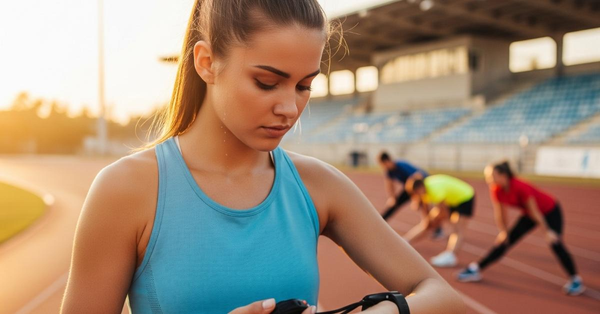

The ovulation phase typically occurs mid-cycle (around Day 13-15), though it can vary depending on your unique rhythm. During this window, a mature egg is released from the ovary, and estrogen levels peak alongside a surge of luteinizing hormone (LH). For many women, this is the time of maximum strength, stamina, and confidence, both mentally and physically.
Cycle-sync training is the practice of aligning your workouts with hormonal changes throughout the menstrual cycle. During the ovulation phase, your body is biologically primed for strength, speed, and endurance gains, making it the most effective time to attempt personal records and high-intensity training.
This natural hormonal boost makes ovulation the perfect time to push your physical limits and explore peak performance in your workouts.
Estrogen at its highest: Improves muscle recovery, joint flexibility, and overall vitality.
Testosterone boost: Increases strength, competitiveness, and drive, even though women produce it in smaller amounts than men.
Positive mood shifts: Confidence and sociability peak, making workouts feel easier and more enjoyable.
Your body is primed to handle more intensity now, so this is the right time to challenge yourself.
Unlike the menstrual and follicular phases, ovulation is the moment to really go for your PRs (personal records) and test your capacity.
High-Intensity Interval Training (HIIT): Short bursts of maximum effort followed by recovery are highly effective in this phase.
Strength Training with Heavier Weights: Focus on compound lifts like squats, deadlifts, and bench presses for muscle growth.
Endurance Sports: Long-distance running, cycling, or swimming feel more achievable thanks to higher oxygen efficiency.
Group Classes or Sports: Your social energy is higher, so playing a team sport or joining a high-energy dance or spin class can be both fun and effective.
While hormones help your body perform better, there’s also a slight increase in joint laxity during ovulation, especially in the knees.
Warm up thoroughly: Dynamic stretches and mobility drills protect joints.
Cool down: Gentle stretching or yoga helps reduce muscle soreness.
Focus on form: Don’t let enthusiasm push you into sloppy technique, injuries are more likely when overexerting.
Your body needs the right fuel to match its high output.
Lean proteins: Chicken, fish, paneer, tofu, and dals support muscle repair.
Complex carbs: Sweet potatoes, quinoa, and whole wheat roti fuel endurance workouts.
Magnesium-rich foods: Nuts, seeds, and leafy greens ease muscle tension.
Stay hydrated: Sweating increases, so drink water or add electrolytes to maintain balance.
The ovulation phase isn’t just about physical power; it also enhances clarity, charisma, and confidence.
Use this time for presentations, interviews, or networking that you’ll feel more expressive and persuasive.
Channel the extra energy into goal-setting and big-picture planning.
Pair workouts with activities that boost motivation, like upbeat playlists or exercising with a friend.
Every woman’s ovulation phase feels slightly different. If your energy feels sky-high, lean into high-performance workouts. If you notice sensitivity or discomfort (like ovulation pain or bloating), scale down with moderate-intensity exercises. The key is to listen to your body and optimize, not force.
The ovulation phase is your body’s natural peak-performance window. With the right mix of strength, intensity, and mindful recovery, you can harness this time to break limits whether in the gym, on the field, or in your daily productivity. By aligning your workouts with your biology, you’re not just exercising, you’re training in harmony with your cycle.
The best exercises during ovulation include HIIT workouts, heavy strength training (like squats and deadlifts), endurance activities such as running or cycling, and group sports. Your body has higher energy and strength capacity, making it ideal for high-intensity training.
Energy peaks during ovulation due to rising estrogen and a surge in luteinizing hormone (LH), along with a mild increase in testosterone. These hormonal changes improve stamina, muscle efficiency, mood, and overall physical performance.
You can use the ovulation phase to push for personal records, increase training intensity, and focus on strength and endurance gains. It’s also a great time for skill-based training, competition, and challenging workouts that require high energy and motivation.
Yes, ovulation is often your peak energy phase. You can safely perform HIIT, heavy lifting, and endurance training if your body feels comfortable. Just ensure proper warm-up and recovery.
Higher estrogen levels improve muscle efficiency and recovery, while a slight rise in testosterone boosts strength, competitiveness, and motivation. This combination makes physical activity feel easier and more powerful.
Yes, it is generally safe. However, due to slightly increased joint laxity, it’s important to maintain proper form, warm up thoroughly, and avoid overexertion to reduce injury risk.
To maximize performance during ovulation, structure your workouts around intensity and recovery balance:
Day 1: Strength Focus
Squats (4 sets x 6-8 reps)
Deadlifts (3 sets x 5-6 reps)
Bench Press (3 sets x 8 reps)
Core work (planks, leg raises)
Day 2: HIIT Conditioning
30 sec sprint / 60 sec walk × 10 rounds
Burpees, jump squats, mountain climbers (circuit)
Day 3: Active Recovery
Yoga or mobility training
Light walking or swimming
Day 4: Endurance Training
5-10 km run or cycling session
Moderate steady pace
Day 5: Mixed Functional Training
Kettlebell swings
Battle ropes
Bodyweight circuit training
About PeriodSakhi
PeriodSakhi is your trusted companion for understanding your menstrual health. With easy-to-use tools, it helps you track your periods, ovulation, fertility, moods, and symptoms, while providing insights into your overall reproductive and hormonal health. PeriodSakhi also serves as a supportive online community where women can share experiences, find reliable information, and access expert-backed guidance on menstrual health, PCOS, pregnancy, lifestyle, and more.
Disclaimer
The views, thoughts, and opinions expressed in this article/blog are solely those of the author and do not necessarily reflect the views of PeriodSakhi. Any omissions, errors, or inaccuracies are the responsibility of the author. PeriodSakhi assumes no liability or responsibility for any content presented. Always consult a qualified medical professional for specific advice related to menstrual health, fertility, pregnancy, or related conditions.