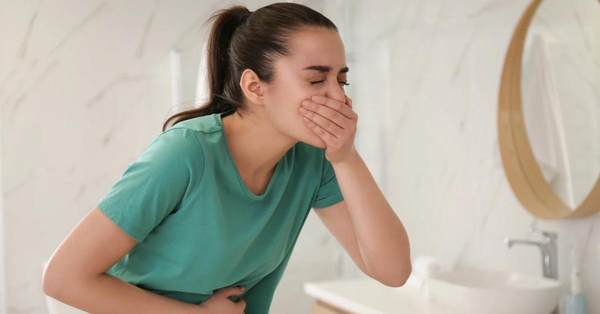

For some women, periods bring more than just cramps. Nausea, dizziness, or even vomiting can accompany the first few days of menstruation. This symptom is often underestimated, but it can disrupt daily life and lower energy levels. The good news is that nausea linked with menstruation can usually be managed with simple, evidence-based strategies.
The main culprit is prostaglandins, chemicals released by the uterus to help shed its lining. High levels cause the uterus to contract strongly, leading to cramps and sometimes nausea or diarrhea. These contractions can also trigger the vagus nerve, which influences the stomach and can cause queasiness.
Other possible contributors include:
Hormonal fluctuations: Drops in estrogen and progesterone affect digestive function.
Heavy bleeding: Some women feel weak or nauseated during heavy flow.
Underlying conditions: Endometriosis or adenomyosis may intensify nausea during periods.
Using a heating pad on the lower abdomen reduces uterine contractions, easing both cramps and nausea. A warm shower can provide similar relief.
Heavy or greasy meals may worsen nausea. Eating lighter portions throughout the day helps stabilize digestion and prevents stomach upset.
Dehydration worsens nausea. Sipping warm water, ginger tea, or peppermint tea can settle the stomach and restore fluid balance.
Both have been studied for nausea relief. Ginger, in particular, has anti-inflammatory properties that calm the digestive tract.
While intense exercise may not feel possible, light walking or yoga improves circulation and reduces discomfort.
NSAIDs (e.g., ibuprofen): Reduce prostaglandin production, easing cramps and indirectly reducing nausea.
Antiemetic medicines: For severe nausea, doctors may prescribe medications such as ondansetron.
Hormonal therapy: If nausea is part of severe period symptoms, regulating hormones with contraceptives may help.
It’s important to take medicines under medical guidance, especially if symptoms are persistent.
Nausea is common, but professional advice is needed if:
It is accompanied by vomiting every cycle.
Symptoms are severe enough to interfere with eating or hydration.
Nausea comes with unusually heavy bleeding or fainting.
You suspect endometriosis or another underlying condition.
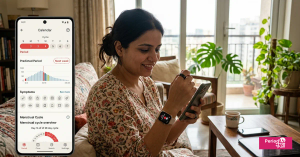
Keep a period diary to track when nausea occurs. Patterns often help in anticipating symptoms.
Avoid excessive caffeine and processed foods in the week before your period.
Prioritize sleep, since fatigue can make nausea worse.
Menstrual nausea can feel overwhelming, but it does not have to be endured silently. From simple remedies like ginger tea and heating pads to medical treatments for severe cases, many effective options are available. By listening to your body, tracking symptoms, and seeking help when needed, nausea during menstruation can be managed with care and confidence.
NHS UK. Period pain and associated symptoms. Available at:
Arora S, et al. Effect of ginger on primary dysmenorrhea. Int J Gynaecol Obstet. 2013. PMID: 23673130.
Dawood MY. Dysmenorrhea. Clinical Obstetrics and Gynecology. 1990. PMID: 2182399.
PubMed: Jenabi E, et al. The effect of peppermint on primary dysmenorrhea. Iran J Nurs Midwifery Res. 2015. PMID: 25878632.
Dr. Akanksha is a dedicated dental professional and health educator who believes that healthcare goes beyond treatment-it is about creating awareness, building trust, and empowering individuals to make informed decisions about their well-being. Alongside her clinical expertise in dentistry, she is deeply passionate about public health education, with a special focus on menstrual health, hygiene, and women's wellness.
About PeriodSakhi
PeriodSakhi is your trusted companion for understanding your menstrual health. With easy-to-use tools, it helps you track your periods, ovulation, fertility, moods, and symptoms, while providing insights into your overall reproductive and hormonal health. PeriodSakhi also serves as a supportive online community where women can share experiences, find reliable information, and access expert-backed guidance on menstrual health, PCOS, pregnancy, lifestyle, and more.
Disclaimer
The views, thoughts, and opinions expressed in this article/blog are solely those of the author and do not necessarily reflect the views of PeriodSakhi. Any omissions, errors, or inaccuracies are the responsibility of the author. PeriodSakhi assumes no liability or responsibility for any content presented. Always consult a qualified medical professional for specific advice related to menstrual health, fertility, pregnancy, or related conditions.