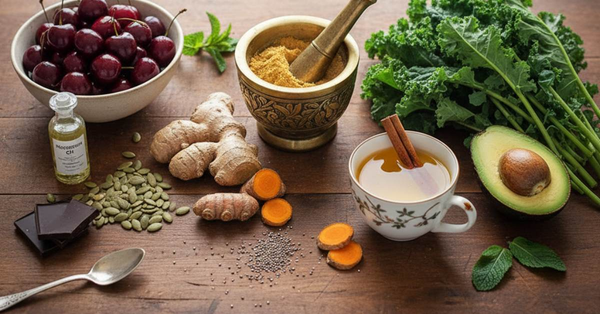

“Food is the first medicine your body reaches for — the right nutrients can turn menstrual pain from unbearable to manageable.”
Menstrual cramps, or dysmenorrhea, are caused by the release of prostaglandins hormone-like compounds that trigger uterine contractions. When these levels are high, pain, bloating, and mood swings intensify. According to the Cleveland Clinic, dietary choices rich in anti-inflammatory nutrients, omega-3s, magnesium, and antioxidants can reduce the severity of cramps and improve overall menstrual comfort.
Here are five medically backed superfoods that work from within to ease menstrual pain without the side effects of pills.
Flaxseeds are rich in lignans, plant-based compounds that help balance estrogen levels which can ease PMS and cramps. They also contain omega-3 fatty acids, which have strong anti-inflammatory effects, reducing prostaglandin activity that triggers uterine spasms.
Medical Insight: Cleveland Clinic highlights flaxseed’s ability to reduce inflammation and support heart and hormone health.
How to use: Add 1–2 tablespoons of ground flaxseed to smoothies, oatmeal, or yogurt daily.
Bonus benefit: Helps with constipation and bloating due to its high fiber content.
Best phase: Luteal and menstrual phases.
Salmon, sardines, and mackerel are loaded with omega-3 fatty acids (EPA and DHA), which help relax uterine muscles and counteract painful contractions. Studies show that women who eat omega-3–rich foods have milder cramps and better moods during their periods.
Medical Insight: According to Mayo Clinic, omega-3 fats lower systemic inflammation and can even enhance serotonin production, improving mood and reducing irritability.
How to use: Have grilled or baked salmon twice a week, or take omega-3 supplements if vegetarian (consult your doctor).
Vegetarian alternative: Chia seeds or walnuts.
Best phase: Menstrual phase.
Spinach, kale, and moringa leaves are menstrual must-haves. They’re rich in magnesium, iron, and vitamin B6, all of which support muscle relaxation and reduce water retention. Magnesium helps reduce prostaglandin production, lowering cramp intensity and bloating.
Medical Insight: Cleveland Clinic notes magnesium-rich foods can improve premenstrual symptoms, including irritability, fatigue, and pain.
How to use: Add a handful of spinach to soups, smoothies, or dal; stir-fry kale with garlic and olive oil.
Bonus benefit: Replenishes iron lost during menstruation.
Best phase: Menstrual and follicular phases.
Ginger has been shown in several studies to be as effective as ibuprofen in reducing menstrual cramps, thanks to its anti-inflammatory and antispasmodic properties. It inhibits prostaglandin synthesis and improves blood flow to the uterus, easing pain naturally.
Medical Insight: Mayo Clinic supports ginger as a natural anti-inflammatory food, helpful for pain, digestion, and nausea.
How to use: Sip warm ginger tea during cramps, or add fresh grated ginger to soups and stir-fries.
Bonus benefit: Eases nausea, fatigue, and PMS-related bloating.
Best phase: Menstrual and premenstrual phases.
Dark chocolate isn’t just a guilty pleasure — it’s packed with magnesium, iron, and antioxidants that calm nerves and relax muscles. It stimulates serotonin and endorphin release, improving mood and reducing irritability linked to PMS.
Medical Insight: Cleveland Clinic recommends moderate amounts of dark chocolate as a source of mood-boosting polyphenols and heart-healthy flavonoids.
How to use: Enjoy one or two small squares of 70–85% dark chocolate daily during your period.
Bonus benefit: Combats sugar cravings with beneficial nutrients instead of refined sugar.
Best phase: Luteal and menstrual phases.
Stay hydrated: Dehydration worsens cramps; herbal teas with chamomile or peppermint can soothe pain.
Avoid high-sodium and processed foods: Mayo Clinic recommends limiting these as they can increase bloating and water retention.
Reduce caffeine: Excess caffeine constricts blood vessels, worsening cramps. Opt for green tea or ginger tea instead.
Add probiotics: Yogurt or kefir supports gut health, helping hormone detoxification through the liver and gut.
Meal | What to Include | Why It Helps |
Breakfast | Oatmeal topped with flaxseeds, banana, and dark chocolate bits | Magnesium + omega-3s + serotonin boost |
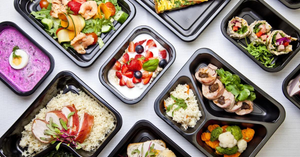
Lunch | Spinach dal with brown rice and grilled salmon / tofu | Iron + omega-3s + plant protein |
Snack | Handful of walnuts + ginger tea | Anti-inflammatory + energy support |
Dinner | Quinoa bowl with kale, roasted sweet potato, and lemon dressing | Magnesium + potassium + fiber for calm digestion |
Nature truly has a remedy for everything including your period pain. Instead of reaching for painkillers every month, nourish your body with these five superfoods. Flaxseeds, fatty fish, leafy greens, ginger, and dark chocolate not only ease cramps but also balance hormones, uplift mood, and support long-term menstrual health.
Remember, consistent intake matters more than one-time fixes. Include these foods regularly to experience lighter, calmer cycles over time.
Mayo Clinic — “Nutrition and Healthy Eating: Healthy Diet Basics”
Mayo Clinic — “Anti-inflammatory Foods and Diet”
Cleveland Clinic — “Foods That Fight Inflammation Naturally”
Cleveland Clinic — “Magnesium-Rich Foods That Support Muscle and Heart Health”
Cleveland Clinic — “Dark Chocolate: Health Benefits and How Much to Eat”
Dr. Akanksha is a dedicated dental professional and health educator who believes that healthcare goes beyond treatment-it is about creating awareness, building trust, and empowering individuals to make informed decisions about their well-being. Alongside her clinical expertise in dentistry, she is deeply passionate about public health education, with a special focus on menstrual health, hygiene, and women's wellness.
About PeriodSakhi
PeriodSakhi is your trusted companion for understanding your menstrual health. With easy-to-use tools, it helps you track your periods, ovulation, fertility, moods, and symptoms, while providing insights into your overall reproductive and hormonal health. PeriodSakhi also serves as a supportive online community where women can share experiences, find reliable information, and access expert-backed guidance on menstrual health, PCOS, pregnancy, lifestyle, and more.
Disclaimer
The views, thoughts, and opinions expressed in this article/blog are solely those of the author and do not necessarily reflect the views of PeriodSakhi. Any omissions, errors, or inaccuracies are the responsibility of the author. PeriodSakhi assumes no liability or responsibility for any content presented. Always consult a qualified medical professional for specific advice related to menstrual health, fertility, pregnancy, or related conditions.

Wondering if fasting during periods is safe? Learn how fasting affects hormones, menstrual cramps, iron levels, energy, and overall reproductive health. This medically reviewed guide explains when fasting may be safe, when it should be avoided, and practical nutrition tips for women during menstruation.