Breast tenderness is a common condition often linked to hormonal changes during the menstrual cycle, pregnancy, or menopause. Learn the causes of breast pain, effective lifestyle and diet tips, natural remedies, and when medical evaluation is necessary for persistent or severe symptoms.
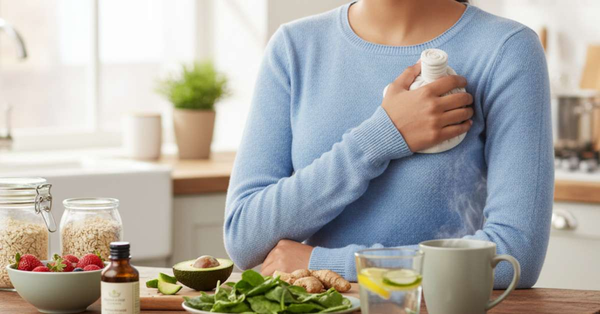

Breast tenderness, also called mastalgia, is a common concern among women of reproductive age. It may occur as part of the menstrual cycle, pregnancy, or due to other hormonal changes. The discomfort ranges from mild soreness to significant pain that interferes with daily life. While breast tenderness is usually not linked to serious disease, it can cause anxiety and affect quality of life.
Research from PubMed shows that up to 70% of women experience breast pain at some stage, most often related to hormonal fluctuations. According to the NHS, most cases improve with lifestyle adjustments and rarely require medication. Understanding effective self-care strategies helps reduce discomfort safely.
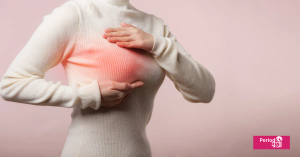
Breast tenderness, medically known as mastalgia, refers to pain, soreness, heaviness, or discomfort in one or both breasts. It commonly affects women during their reproductive years and is often linked to hormonal fluctuations associated with the menstrual cycle. Breast tenderness may also occur during pregnancy, breastfeeding, menopause, or as a side effect of certain medications. In most cases, it is harmless and improves with simple lifestyle changes, although persistent or unusual symptoms should be evaluated by a healthcare professional.
Quick Answer: Breast tenderness is usually caused by hormonal changes during the menstrual cycle. Wearing a supportive bra, reducing salt intake, exercising regularly, managing stress, and maintaining a healthy diet can help relieve symptoms. Persistent breast pain or pain accompanied by a lump or nipple discharge should be assessed by a healthcare provider.
Breast pain is often classified into two main types:
Related to the menstrual cycle. Pain usually appears in the second half (luteal phase) and settles after menstruation starts. It is linked to fluctuating estrogen and progesterone levels.
Not related to periods. Causes may include trauma, infections, cysts, or certain medications.
Hormonal changes increase breast tissue sensitivity and fluid retention, which explains the heaviness and soreness many women feel before periods.
Wearing a well-fitting bra reduces strain on breast tissue and ligaments. A supportive sports bra may help during exercise or in the premenstrual phase. The NHS emphasizes correct fit as an important step in reducing breast pain.
Stress can worsen perception of pain. Relaxation methods such as deep breathing, yoga, or mindfulness lower cortisol levels and improve tolerance of discomfort.
Moderate physical activity helps regulate hormones, reduce stress, and improve circulation. Studies (PubMed, 2019) suggest regular exercise may reduce cyclical breast pain by balancing estrogen and progesterone activity.
Applying warmth may relax tense tissues, while a cold compress can numb soreness. Both are safe and can be tried based on personal comfort.
Maintaining an upright posture reduces strain on the chest and shoulders, preventing worsening of tenderness.
Tip | How It Helps |
|---|---|
Wear a supportive bra | Reduces strain on breast tissue |
Exercise regularly | Supports hormone balance |
Reduce salt intake | Minimizes water retention |
Stay hydrated | Helps reduce bloating |
Apply warm or cold compresses | Relieves soreness |
Manage stress | Lowers pain perception |
Limit caffeine | May reduce symptoms in some women |
High salt levels contribute to water retention, which may worsen breast swelling and tenderness before menstruation. A low-sodium diet helps minimize bloating.
Eating fresh fruits, vegetables, whole grains, and lean proteins supports hormone balance. High-fiber foods may aid estrogen metabolism, which is important in reducing cyclical mastalgia.
Some women report improvement after reducing caffeine (tea, coffee, chocolate, cola). Though scientific evidence is mixed, the NHS and clinical reviews note that caffeine reduction is safe and may help in sensitive individuals.
Drinking enough water supports circulation and reduces bloating. Herbal teas such as chamomile or ginger tea may provide additional soothing effects.
Vitamin E: Some PubMed studies show that vitamin E supplements (200–400 IU/day) can reduce cyclical mastalgia.
Vitamin B6: May help in some cases by influencing neurotransmitters involved in hormonal regulation.
Magnesium: Useful for fluid balance and reducing PMS-related breast pain.
Evening Primrose Oil (EPO): Contains gamma-linolenic acid (GLA). Evidence is mixed, but it is sometimes used for cyclical breast pain under medical guidance.
Always consult a healthcare professional before starting supplements, as effectiveness varies.
Smoking: Nicotine may influence hormone levels and circulation, worsening tenderness.
Excessive Alcohol: Alcohol can affect liver function, which plays a role in estrogen metabolism. Limiting intake supports hormonal balance.
High-Fat Processed Foods: These may increase inflammation and fluid retention, leading to more discomfort.
While breast tenderness is usually harmless, certain situations require medical evaluation:
Pain is severe or persistent despite lifestyle changes
Breast lump, skin changes, or nipple discharge are noticed
Pain is localized to one area and not linked to the menstrual cycle
Symptoms interfere with sleep or daily activities
According to the NHS and American College of Obstetricians and Gynecologists (ACOG), these symptoms may need further investigation, such as breast examination, ultrasound, or mammography.
PubMed clinical trials indicate lifestyle and diet changes relieve mild to moderate breast pain in most women.
NHS guidance confirms that medical treatment is rarely needed and emphasizes supportive bras, dietary balance, and reassurance.
Severe or resistant cases may benefit from hormonal treatment, but these are used under specialist care due to side effects.
Breast tenderness before periods is usually caused by hormonal changes, particularly fluctuations in estrogen and progesterone. These hormones increase blood flow and fluid retention in breast tissue, leading to soreness, heaviness, and swelling that typically improves after menstruation begins.
Yes. Eating a balanced diet rich in fruits, vegetables, whole grains, and lean proteins may support hormonal balance. Reducing salt intake, limiting caffeine, staying hydrated, and getting enough magnesium and vitamin E may also help some women manage breast tenderness.
Seek medical advice if breast pain is severe, lasts for several weeks, occurs in only one area, is associated with a lump, nipple discharge, skin changes, or interferes with daily activities. Most cases are not serious but should be evaluated when accompanied by these symptoms.
Breast tenderness is a common and usually benign condition linked to hormonal changes. Relief often comes from simple, safe measures, supportive bras, stress management, gentle exercise, and dietary adjustments. Reducing salt and caffeine, maintaining hydration, and considering supplements such as vitamin E or magnesium may further help.
Most women notice improvement with these steps, but medical advice should be sought if pain is severe, persistent, or associated with unusual breast changes. By combining lifestyle care with professional guidance when needed, women can manage breast tenderness effectively and improve overall comfort.
This article is intended for educational purposes only and should not replace professional medical advice, diagnosis, or treatment. Consult a qualified healthcare provider if you have persistent breast pain, notice a lump, nipple discharge, or any unusual changes in your breasts.
Dr. Akanksha is a dedicated dental professional and health educator who believes that healthcare goes beyond treatment-it is about creating awareness, building trust, and empowering individuals to make informed decisions about their well-being. Alongside her clinical expertise in dentistry, she is deeply passionate about public health education, with a special focus on menstrual health, hygiene, and women's wellness.
About PeriodSakhi
PeriodSakhi is your trusted companion for understanding your menstrual health. With easy-to-use tools, it helps you track your periods, ovulation, fertility, moods, and symptoms, while providing insights into your overall reproductive and hormonal health. PeriodSakhi also serves as a supportive online community where women can share experiences, find reliable information, and access expert-backed guidance on menstrual health, PCOS, pregnancy, lifestyle, and more.
Disclaimer
The views, thoughts, and opinions expressed in this article/blog are solely those of the author and do not necessarily reflect the views of PeriodSakhi. Any omissions, errors, or inaccuracies are the responsibility of the author. PeriodSakhi assumes no liability or responsibility for any content presented. Always consult a qualified medical professional for specific advice related to menstrual health, fertility, pregnancy, or related conditions.