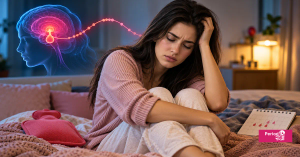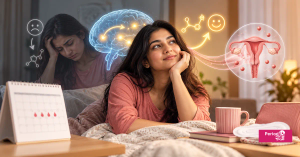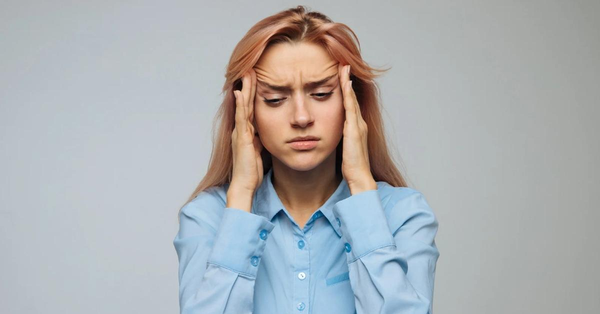

Hormonal headaches are a common but often overlooked part of the menstrual cycle. Many women experience them right before or during their period, when hormone levels shift sharply. Unlike tension headaches or migraines triggered by external factors, these are rooted in the natural ebb and flow of estrogen and progesterone. While medication may be necessary for severe cases, everyday lifestyle habits can significantly reduce the frequency and intensity of hormonal headaches.
Estrogen has a protective effect on the brain’s blood vessels and pain pathways. When estrogen levels drop just before menstruation, blood vessels may become more sensitive, leading to headaches or migraines.
Common signs of hormonal headaches include:
A dull, throbbing ache around the temples or forehead.
Headaches that appear a day or two before bleeding starts.
Sometimes, associated nausea or light sensitivity.
Fluctuating sleep patterns can worsen hormonal headaches. Aiming for 7–8 hours of consistent, high-quality sleep helps stabilize hormones and keeps the nervous system calmer. Going to bed and waking up at the same time daily is more effective than simply “catching up” on rest.
Avoid trigger foods: High-sugar snacks, processed foods, and excess caffeine may provoke headaches.
Add magnesium-rich foods: Spinach, almonds, and pumpkin seeds support healthy nerve and muscle function, with studies linking magnesium to fewer migraine episodes.
Stay hydrated: Even mild dehydration can trigger headaches. Carrying a water bottle during PMS week is a simple but powerful step.
Exercise boosts endorphins, which act as natural painkillers. Activities such as walking, swimming, or yoga can reduce headache severity and improve circulation. Intense workouts right before periods may feel difficult, so pacing yourself is key.
Stress hormones like cortisol can interact with estrogen changes, worsening headaches. Techniques such as meditation, guided breathing, or even a short break outdoors help reset the stress response.
Keeping a cycle diary helps you identify patterns. If headaches occur regularly at the same phase, you can prepare in advance with preventive strategies like better hydration, extra rest, or stress management.
Warm compresses or cold packs on the forehead can ease discomfort depending on the headache type.
Herbal teas such as chamomile or ginger tea support relaxation and reduce inflammation.
Essential oils (peppermint applied topically in diluted form) may provide temporary relief.
For some women, hormonal headaches are severe and interfere with daily life. In such cases, medical treatments may be required. Options include:
NSAIDs (ibuprofen, naproxen): Often used preventively a few days before periods.
Hormonal therapy: Birth control pills or hormonal patches can stabilize estrogen levels and reduce headache frequency.
Migraine medications: Triptans and other migraine-specific drugs may be prescribed for intense attacks.
You should consult a doctor if:
Headaches are severe and regular.
They come with blurred vision, dizziness, or vomiting.
Over-the-counter painkillers do not provide relief.
Headaches worsen over time or occur outside your cycle.
Hormonal headaches are closely tied to your cycle, but they don’t have to dictate your quality of life. Small but consistent lifestyle adjustments better sleep, balanced nutrition, hydration, and stress management, play a powerful role in prevention. With these strategies and medical support, if necessary, you can reduce headache intensity and regain control over your monthly rhythm.
NHS UK. Migraines and hormonal triggers. Available at:
MacGregor EA. Estrogen and attacks of migraine with and without aura. Annals of Neurology. 2009. PMID: 19830842.
Sun-Edelstein C, Mauskop A. Role of magnesium in the pathogenesis and treatment of migraines. Clin J Pain. 2009. PMID: 19169102.
American Migraine Foundation. Hormonal migraine management guidelines.
Dr. Akanksha is a dedicated dental professional and health educator who believes that healthcare goes beyond treatment-it is about creating awareness, building trust, and empowering individuals to make informed decisions about their well-being. Alongside her clinical expertise in dentistry, she is deeply passionate about public health education, with a special focus on menstrual health, hygiene, and women's wellness.
About PeriodSakhi
PeriodSakhi is your trusted companion for understanding your menstrual health. With easy-to-use tools, it helps you track your periods, ovulation, fertility, moods, and symptoms, while providing insights into your overall reproductive and hormonal health. PeriodSakhi also serves as a supportive online community where women can share experiences, find reliable information, and access expert-backed guidance on menstrual health, PCOS, pregnancy, lifestyle, and more.
Disclaimer
The views, thoughts, and opinions expressed in this article/blog are solely those of the author and do not necessarily reflect the views of PeriodSakhi. Any omissions, errors, or inaccuracies are the responsibility of the author. PeriodSakhi assumes no liability or responsibility for any content presented. Always consult a qualified medical professional for specific advice related to menstrual health, fertility, pregnancy, or related conditions.