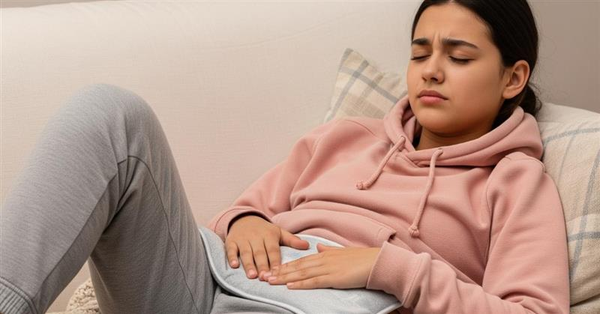

Menstrual cramps, or dysmenorrhea, affect a significant proportion of women of reproductive age. Characterized by lower abdominal pain that often radiates to the back and thighs, dysmenorrhea can impair daily functioning, reduce productivity, and negatively impact quality of life. While pharmacologic therapy (eg, NSAIDs) is effective, non-pharmacologic strategies such as heat application, targeted movement, and dietary modifications remain important first-line or adjunctive measures.
Local heat increases blood flow, relaxes uterine and abdominal muscles, and reduces ischemia caused by sustained contractions. Heat also elevates pain thresholds by modulating sensory nerve pathways.
Hot water bottles or heating pads: Applied to the lower abdomen for 15–20 minutes at a time.
Warm baths: Provide systemic relaxation and relief from muscle tension.
Disposable heat patches: Offer continuous low-level heat for extended relief during activity.
Clinical studies demonstrate that heat therapy can be as effective as NSAIDs for some patients with primary dysmenorrhea.
Physical activity promotes endorphin release, improves circulation, and reduces prostaglandin sensitivity. Gentle stretching can relieve muscle tension and support better posture during menstruation.
Yoga poses: Child’s pose, cat-cow, and supine twist may alleviate pelvic tension.
Aerobic activity: Walking, cycling, or swimming enhances circulation and reduces cramp severity.
Core-strengthening exercises: Improve pelvic stability and reduce musculoskeletal contribution to pain.
Women are encouraged to maintain consistent, moderate physical activity throughout the cycle, as regular exercise is associated with reduced severity of dysmenorrhea.
Anti-inflammatory foods: Diets rich in omega-3 fatty acids (flaxseeds, walnuts, fatty fish) reduce prostaglandin-mediated inflammation.
Magnesium and calcium: These minerals aid in muscle relaxation. Sources include leafy greens, legumes, and dairy products.
Iron-rich foods: Important for women with heavy menstrual bleeding to prevent fatigue and enhance recovery.
Hydration: Adequate water intake reduces bloating and muscular discomfort.
Excessive caffeine and alcohol: Can increase vasoconstriction and worsen cramping.
Processed foods high in salt and sugar: May contribute to fluid retention and exacerbate discomfort.
A combined approach is often most effective:
Applying heat during peak cramps
Engaging in light physical activity to stimulate circulation
Supporting the body with an anti-inflammatory, nutrient-rich diet
For patients with severe dysmenorrhea unresponsive to these measures, further evaluation for secondary causes (eg, endometriosis, uterine fibroids) and pharmacologic treatment may be necessary.
Menstrual cramps are a common but manageable condition. Heat therapy, regular movement, and dietary adjustments form the foundation of non-pharmacologic relief strategies. These interventions are safe, cost-effective, and empower women to take an active role in managing their symptoms. For persistent or severe cases, medical consultation is essential to exclude secondary pathology and initiate appropriate therapy.
Proctor M, Farquhar C. Diagnosis and management of dysmenorrhoea. BMJ. 2006;332(7550):1134–1138.
Akin MD, Weingand KW, Hengehold DA, et al. Continuous low-level topical heat in the treatment of dysmenorrhea. Obstet Gynecol. 2001;97(3):343–349.
Armour M, Dahlen HG, Smith CA. More than needles: the importance of explanations and self-care advice in treating primary dysmenorrhea with acupuncture. Evid Based Complement Alternat Med. 2016;2016:3467067.
National Health Service (NHS). Period pain. NHS UK. Updated 2023. Available at: https://www.nhs.uk/conditions/period-pain/
About PeriodSakhi
PeriodSakhi is your trusted companion for understanding your menstrual health. With easy-to-use tools, it helps you track your periods, ovulation, fertility, moods, and symptoms, while providing insights into your overall reproductive and hormonal health. PeriodSakhi also serves as a supportive online community where women can share experiences, find reliable information, and access expert-backed guidance on menstrual health, PCOS, pregnancy, lifestyle, and more.
Disclaimer
The views, thoughts, and opinions expressed in this article/blog are solely those of the author and do not necessarily reflect the views of PeriodSakhi. Any omissions, errors, or inaccuracies are the responsibility of the author. PeriodSakhi assumes no liability or responsibility for any content presented. Always consult a qualified medical professional for specific advice related to menstrual health, fertility, pregnancy, or related conditions.