
"The human body whispers before it screams. Learning to listen is the first step toward better health." — Dr. Gabor Maté
For many women, noticing blood clots during menstruation can be alarming. Questions such as "Is this normal?", "Why am I passing large clots?", or "Could this indicate a serious medical condition?" are common. The sight of dark red or bright crimson clots can understandably cause anxiety, especially if they appear unexpectedly or are accompanied by heavy bleeding and severe pain.
The reassuring news is that small menstrual blood clots are often a normal part of the menstrual cycle, particularly during the heaviest days of bleeding. However, persistent, unusually large clots or clots associated with excessive menstrual bleeding may signal an underlying gynaecological or systemic condition that requires medical evaluation.
Understanding why menstrual blood clots form, what size is considered normal, and when they become a cause for concern empowers women to recognise the difference between physiological menstrual changes and symptoms that warrant professional attention.
Menstrual blood is not composed solely of blood. It is a mixture of:
Blood from the uterine lining
Endometrial tissue
Cervical mucus
Vaginal secretions
Proteins and enzymes
Fibrin and other clotting factors
Normally, the body releases anticoagulant enzymes during menstruation to prevent menstrual blood from clotting as it leaves the uterus. These enzymes help keep menstrual flow relatively smooth.
However, when menstrual bleeding is particularly heavy, the body's anticoagulant mechanisms may not act quickly enough. As a result, blood begins to coagulate before it exits the uterus, leading to the formation of visible menstrual clots.
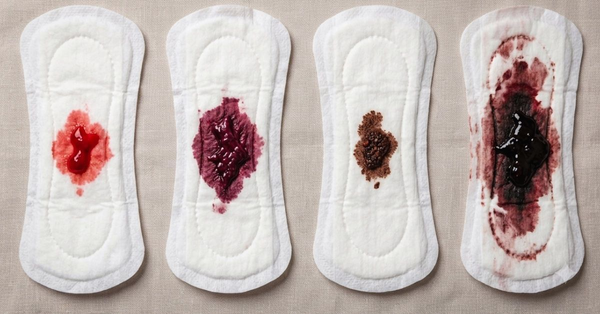
These clots are typically dark red, maroon, or bright red and may vary in size and consistency.
Blood clotting is a natural protective mechanism designed to prevent excessive blood loss.
During menstruation, if bleeding occurs faster than the body's natural anticoagulant system can dissolve clots, coagulation occurs within the uterine cavity.
Several physiological factors contribute to clot formation, including:
Heavy menstrual flow
Rapid shedding of the endometrial lining
Temporary pooling of blood inside the uterus
Increased menstrual volume during the first two days of the cycle
Passing occasional clots during heavy-flow days is therefore considered a normal physiological response.
The size and frequency of menstrual clots provide important clinical clues.
Generally, small clots measuring less than approximately 2.5 cm (about the size of a £2 coin) during the first one or two days of menstruation are usually considered normal, particularly in women with moderately heavy periods.
These clots are often:
Dark red
Soft or jelly-like
Passed during heavier flow
Occasional rather than continuous
In contrast, frequent clots larger than 2.5 cm, especially when accompanied by excessive bleeding, severe pelvic pain, dizziness, or fatigue, should be evaluated by a healthcare professional.
One of the most common reasons for menstrual clot formation is heavy menstrual bleeding, medically known as menorrhagia.
Women experiencing menorrhagia may:
Soak through sanitary protection every one to two hours
Pass frequent large clots
Experience prolonged bleeding lasting more than seven days
Develop symptoms of iron-deficiency anaemia
Heavy bleeding overwhelms the uterus's natural anticoagulant capacity, allowing clots to form more readily.
Uterine fibroids are benign smooth muscle tumours arising from the myometrium.
Although non-cancerous, fibroids may increase:
Menstrual blood loss
Clot formation
Pelvic pressure
Painful periods
Submucosal fibroids, which protrude into the uterine cavity, are particularly associated with heavy menstrual bleeding.
Adenomyosis occurs when endometrial tissue grows into the muscular wall of the uterus.
This condition may lead to:
Enlarged uterus
Severe menstrual cramps
Heavy periods
Large menstrual clots
Chronic pelvic pain
Adenomyosis most commonly affects women in their late reproductive years but can occur earlier.
The menstrual cycle depends on a delicate balance between oestrogen and progesterone.
Hormonal disturbances may occur due to:
Polycystic Ovary Syndrome (PCOS)
Perimenopause
Thyroid disorders
Obesity
Chronic stress
Excess oestrogen without adequate progesterone stimulation can cause excessive endometrial proliferation, resulting in a thicker uterine lining that sheds more heavily during menstruation.
Passing blood clots during early pregnancy should never be assumed to be menstrual bleeding.
Although not all bleeding indicates pregnancy loss, clot passage during pregnancy requires prompt medical assessment to exclude:
Miscarriage
Ectopic pregnancy
Subchorionic haemorrhage
Any pregnant woman experiencing heavy bleeding or clot passage should seek immediate medical attention.
Endometriosis occurs when endometrial-like tissue grows outside the uterine cavity.
Although clotting itself is not a defining feature, many women with endometriosis also experience:
Heavy menstrual bleeding
Severe dysmenorrhoea
Chronic pelvic pain
Pain during intercourse
Infertility
Inherited bleeding disorders, such as von Willebrand disease, may present with:
Heavy menstrual bleeding from adolescence
Frequent large clots
Easy bruising
Nosebleeds
Excessive bleeding after surgery or dental procedures
Young women with persistently heavy periods should be evaluated if an inherited bleeding disorder is suspected.
Although occasional clotting is common, certain symptoms require medical evaluation.
Seek medical advice if you experience:
Blood clots larger than approximately 2.5 cm
Bleeding lasting more than seven days
Soaking through one sanitary pad or tampon every hour for two or more consecutive hours
Severe pelvic pain not relieved by medication
Persistent fatigue or shortness of breath
Dizziness or fainting
Fever associated with heavy bleeding
Bleeding after menopause
Irregular bleeding between periods
These symptoms may indicate significant blood loss or an underlying medical condition.
Yes.
Chronic heavy menstrual bleeding is one of the leading causes of iron-deficiency anaemia in reproductive-age women.
Symptoms include:
Persistent fatigue
Weakness
Pale skin
Hair loss
Shortness of breath
Dizziness
Difficulty concentrating
Palpitations
Blood tests measuring haemoglobin and serum ferritin help determine whether iron deficiency has developed.
Healthcare providers may ask about:
Duration of bleeding
Number of sanitary products used
Size and frequency of clots
Pain severity
Pregnancy history
Current medications
Family history of bleeding disorders
Depending on the findings, investigations may include:
Complete blood count (CBC)
Iron studies
Thyroid function tests
Coagulation profile
Pregnancy test
Pelvic ultrasound
Transvaginal ultrasound
Hysteroscopy
Magnetic Resonance Imaging (MRI) in selected cases
Treatment depends on the underlying cause rather than the clots themselves.
Medical options may include:
These reduce menstrual pain and may decrease menstrual blood loss.
An antifibrinolytic medication that reduces excessive menstrual bleeding by stabilising blood clots.
Options include:
Combined oral contraceptive pills
Progesterone therapy
Levonorgestrel-releasing intrauterine system (LNG-IUS)
These treatments regulate menstrual bleeding and reduce endometrial growth.
Depending on the diagnosis, procedures may include:
Myomectomy
Hysteroscopic polypectomy
Endometrial ablation (for selected women)
Hysterectomy in severe, refractory cases
While lifestyle changes cannot cure structural conditions such as fibroids or adenomyosis, they support overall menstrual health.
Helpful measures include:
Eating an iron-rich diet
Consuming vitamin C to enhance iron absorption
Maintaining a healthy body weight
Exercising regularly
Managing stress effectively
Staying well hydrated
Avoiding smoking
Women with diagnosed iron deficiency should follow their healthcare provider's recommendations regarding iron supplementation.
Seek urgent medical care if you experience:
Extremely heavy bleeding causing dizziness or fainting
Large blood clots accompanied by severe abdominal pain
Bleeding during pregnancy
Fever with heavy bleeding
Symptoms of severe anaemia
Sudden onset of unusually heavy bleeding after previously normal menstrual cycles
Prompt assessment can help identify serious conditions early and prevent complications.
Passing small blood clots during menstruation is often a normal physiological response to heavy menstrual flow, particularly during the first few days of your period. However, frequent large clots, prolonged heavy bleeding, or clotting accompanied by severe pain, fatigue, or other concerning symptoms should not be ignored. Your menstrual cycle provides valuable insights into your reproductive and overall health. Paying attention to changes in bleeding patterns, clot size, and associated symptoms can help detect underlying conditions such as fibroids, adenomyosis, hormonal imbalances, or bleeding disorders before they progress.
Remember, every woman's menstrual experience is unique. Understanding what is normal for your body and recognising when something changes is an important step towards protecting your health. If you are ever uncertain about your symptoms, seeking advice from a qualified healthcare professional is always the safest course of action.
Your period is more than a monthly event, it's an important indicator of your reproductive health. Don't ignore persistent heavy bleeding, unusually large blood clots, or changes in your menstrual pattern. Track your symptoms, maintain regular gynaecological check-ups, and seek medical advice if something doesn't feel right. Early evaluation and timely treatment can help prevent complications and support healthier menstrual cycles.
Dr. Akanksha is a dedicated dental professional and health educator who believes that healthcare goes beyond treatment-it is about creating awareness, building trust, and empowering individuals to make informed decisions about their well-being. Alongside her clinical expertise in dentistry, she is deeply passionate about public health education, with a special focus on menstrual health, hygiene, and women's wellness.
About PeriodSakhi
PeriodSakhi is your trusted companion for understanding your menstrual health. With easy-to-use tools, it helps you track your periods, ovulation, fertility, moods, and symptoms, while providing insights into your overall reproductive and hormonal health. PeriodSakhi also serves as a supportive online community where women can share experiences, find reliable information, and access expert-backed guidance on menstrual health, PCOS, pregnancy, lifestyle, and more.
Disclaimer
The views, thoughts, and opinions expressed in this article/blog are solely those of the author and do not necessarily reflect the views of PeriodSakhi. Any omissions, errors, or inaccuracies are the responsibility of the author. PeriodSakhi assumes no liability or responsibility for any content presented. Always consult a qualified medical professional for specific advice related to menstrual health, fertility, pregnancy, or related conditions.