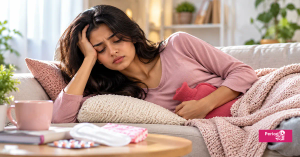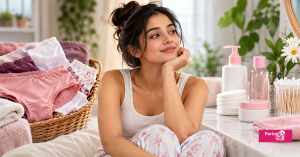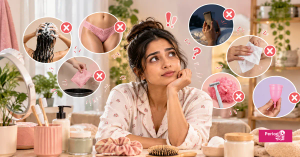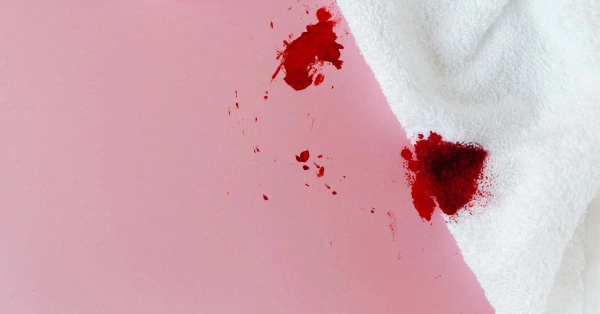

For generations, countless women have quietly hidden period stains under sweaters, tied jackets around their waists, or discarded perfectly good clothes because of one unexpected leak. Yet menstruation is a normal biological process experienced by millions of women every day.
What deserves attention is not the stain itself, but how we respond to it. A fresh blood stain is one of the most manageable stains if treated correctly. Unfortunately, many common home remedies like using hot water immediately, vigorous scrubbing, or harsh chemicals can permanently damage delicate fabrics and even irritate the skin if chemical residues remain on clothing.
Textile scientists have long emphasized that understanding fabric structure is the key to preserving garments. Textile engineer and fabric care expert Dr. Malcolm Carr, former Head of Textile Technology at the University of Leeds, has highlighted that different fibres respond differently to moisture, temperature, and cleaning agents. Treating all fabrics the same can shorten their lifespan and reduce their performance. Whether it is a school uniform, office wear, gym leggings, or a favourite cotton kurta, proper stain care helps maintain both fabric quality and personal hygiene.
Unlike many everyday stains, menstrual blood is primarily made up of:
Blood cells
Plasma
Proteins
Endometrial tissue
Cervical mucus
One important characteristic of blood is its high protein content.
Proteins are highly sensitive to heat. When exposed to hot water, they begin to coagulate, making the stain bind more firmly to fabric fibres. This is why fresh blood stains become significantly harder to remove if washed immediately with hot water.
The sooner a stain is treated with cold water, the better the chances of complete removal.
Every fabric has a different fibre structure, absorbency, and durability.
Natural fibres such as cotton absorb fluids quickly because they are highly porous. Synthetic fabrics like polyester absorb less liquid but may trap stains within tightly woven fibres.
Understanding your fabric helps determine the safest cleaning approach.
Cotton is durable and responds well to prompt cold-water rinsing.
Linen is highly absorbent but can wrinkle easily. Gentle stain treatment is recommended.
Silk is a protein-based natural fibre that requires delicate handling. Strong detergents and vigorous scrubbing may damage the fibres.
Like silk, wool contains natural proteins and should be cleaned gently using products designed for delicate fabrics.
Sportswear often contains moisture-wicking synthetic fibres. Harsh bleach or fabric softeners may reduce the fabric's performance over time.
Fresh stains are much easier to remove than dried stains.
If possible:
Rinse the stained area under cold running water.
Allow water to pass through the back of the fabric rather than directly onto the stain.
Avoid rubbing aggressively.
Early treatment prevents proteins from settling deeply into the fibres.
Cold water helps loosen fresh blood while reducing the risk of protein coagulation. Hot water, on the other hand, may permanently set the stain, making later removal more difficult. This recommendation is supported by textile care guidance from multiple fabric manufacturers and stain-removal specialists.
Many people instinctively scrub a stain with force.
Unfortunately, excessive rubbing can:
Damage fabric fibres
Cause colour fading
Spread the stain further
Reduce garment lifespan
Instead:
Blot gently.
Allow the detergent to work.
Repeat if necessary.
Patience is often more effective than force.
For most washable fabrics:
Mild liquid detergents are usually sufficient.
Enzyme-based detergents may help break down protein stains.
Oxygen-based stain removers can be useful for colour-safe fabrics.
Always check the garment care label before using stain-removal products.
For delicate fabrics such as silk or wool, specialised fabric cleaners are generally safer than household bleach.
Chlorine bleach is sometimes used to remove stains, but it is not suitable for every fabric.
Excessive bleach use may:
Weaken fibres
Cause yellowing
Fade colours
Reduce fabric durability
Repeated bleach exposure may also leave residues capable of irritating sensitive skin.
Once the stain has been treated:
Wash according to the garment care instructions.
Choose the recommended water temperature.
Ensure detergent is rinsed thoroughly.
Avoid placing the garment in a dryer until you are confident the stain has disappeared completely.
Heat from the dryer may permanently set any remaining stain.
Designer clothing, embroidered garments, silk sarees, and formal wear deserve extra care.
If staining occurs:
Avoid experimenting with multiple household chemicals.
Follow the manufacturer's care instructions.
Consider professional dry cleaning for valuable garments.
Attempting repeated home treatments may cause more damage than the original stain.
Period leaks are not only about appearance.
Wearing damp or blood-soaked clothing for prolonged periods may increase:
Skin irritation
Friction
Chafing
Unpleasant odour
Menstrual blood itself is not "dirty." However, prolonged moisture against the skin creates an environment where bacteria and fungi can multiply more easily, particularly in warm areas such as the groin and inner thighs.
Changing into clean, dry clothing as soon as possible supports both skin comfort and intimate health.
People with eczema, allergies, or sensitive skin should pay attention to detergent selection.
Strong fragrances and harsh cleaning chemicals may remain in fabric after washing and contribute to:
Itching
Contact dermatitis
Redness
Dryness
Choose fragrance-free or dermatologist-tested detergents whenever possible, especially for underwear and menstrual products that remain in close contact with intimate skin.
While leaks can happen to anyone, a few practical habits may reduce the chances of clothing stains.
These include:
Choosing the correct absorbency for your menstrual flow.
Changing pads, tampons, or menstrual cups according to recommended intervals.
Wearing well-fitting menstrual products.
Using period underwear or additional protection during heavy-flow days.
Keeping a spare menstrual product and underwear when travelling or at work.
Preparation provides reassurance, but occasional leaks are still a completely normal part of menstruation.
Women who exercise during menstruation often wear close-fitting sportswear that comes into prolonged contact with the skin.
If leakage occurs:
Change out of damp workout clothes promptly.
Wash activewear after each use.
Avoid leaving stained gym clothes inside a closed bag.
Proper care preserves the performance of moisture-wicking fabrics while supporting skin hygiene.
Many women remember their first period stain at school, during college, at work, or while travelling. For some, it becomes a source of embarrassment that lasts long after the incident.
But a period stain is simply evidence of a healthy reproductive system. It is not a reflection of cleanliness, preparation, or personal worth.
Understanding how to care for both your clothes and your body replaces embarrassment with confidence. Knowledge transforms an unexpected moment into a manageable one.
Period stains are an inevitable experience for many women, but they do not have to mean ruined clothes or unnecessary stress. Acting quickly with cold water, choosing cleaning methods suited to the fabric, avoiding harsh chemicals, and following proper garment care can preserve your favourite clothing for years. Equally important is protecting your skin. Clean, dry clothing helps reduce irritation, supports intimate health, and contributes to overall comfort during menstruation.
Periods are a natural part of life. Instead of viewing stains as something to hide, we can approach them with practical knowledge, evidence-based care, and the confidence that comes from understanding our bodies. Sometimes, the most valuable skill is not preventing every stain but it is knowing exactly what to do when one happens.
World Health Organization (WHO). Guidelines on Menstrual Health and Hygiene.
American Academy of Dermatology. Contact dermatitis and skin care recommendations.
National Health Service (NHS). Skin irritation, dermatitis, and clothing care guidance.
Laitala K, Klepp IG. Clothing maintenance practices and textile longevity. Sustainability. Available through PubMed-indexed databases.
Hatch KL. Textiles for Health and Healthcare. CRC Press.
Kadolph SJ. Textiles. Pearson Education.
Bunsell AR. Handbook of Properties of Textile and Technical Fibres. Woodhead Publishing.
About PeriodSakhi
PeriodSakhi is your trusted companion for understanding your menstrual health. With easy-to-use tools, it helps you track your periods, ovulation, fertility, moods, and symptoms, while providing insights into your overall reproductive and hormonal health. PeriodSakhi also serves as a supportive online community where women can share experiences, find reliable information, and access expert-backed guidance on menstrual health, PCOS, pregnancy, lifestyle, and more.
Disclaimer
The views, thoughts, and opinions expressed in this article/blog are solely those of the author and do not necessarily reflect the views of PeriodSakhi. Any omissions, errors, or inaccuracies are the responsibility of the author. PeriodSakhi assumes no liability or responsibility for any content presented. Always consult a qualified medical professional for specific advice related to menstrual health, fertility, pregnancy, or related conditions.