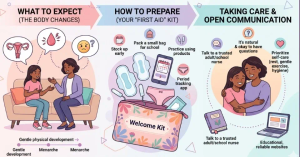

“Understanding your rhythm is the first step to mastering your mood.”
Mood changes during the menstrual cycle are a natural consequence of hormonal fluctuations. While occasional irritability is common, for some women these mood swings can be intense, impacting relationships, work, and daily life. Fortunately, modern research and clinical experience show that cycle tracking combined with lifestyle strategies can help women anticipate and manage irritability effectively.
Irritability often coincides with the luteal phase, the 7–14 days after ovulation before menstruation begins. During this time, levels of estrogen and progesterone fluctuate significantly. Estrogen, which tends to enhance serotonin production, drops just before menstruation, while progesterone’s metabolites can influence GABA receptors in the brain, affecting mood and stress resilience. These hormonal changes can result in:
Heightened emotional sensitivity
Frustration or impatience
Difficulty concentrating
Sleep disturbances
Understanding that these mood changes have a biological basis can reduce self-blame and encourage proactive management.
Cycle tracking is more than marking dates on a calendar. By recording physical and emotional symptoms throughout the month, women can identify patterns, predict irritability, and plan coping strategies. Tracking can be done via:
Apps: Many menstrual apps allow daily logging of mood, energy, and sleep.
Journals: Simple notebooks can be used to note irritability triggers, cravings, or stress levels.
Wearable devices: Some track basal body temperature or heart rate variability, providing additional physiological insights.
Regular tracking provides objective data, helping distinguish between normal hormonal mood changes and symptoms that may require medical attention, such as premenstrual dysphoric disorder (PMDD).
Using your cycle log, identify patterns of irritability. On days when you anticipate higher sensitivity, consider:
Scheduling challenging tasks for earlier in the day
Allowing more breaks during work
Communicating proactively with family or colleagues about your mood patterns
Sleep disruption amplifies irritability. Maintain a consistent bedtime, reduce screen exposure at night, and consider short naps if needed.
Balanced meals with complex carbohydrates and lean protein help stabilise blood sugar.
Omega-3 fatty acids (from fish or flaxseeds) have been linked to improved mood regulation.
Hydration supports energy levels and reduces fatigue-driven irritability.
Moderate aerobic activity or yoga can reduce stress hormones, improve serotonin levels, and enhance emotional regulation. Even 15–20 minutes daily can make a difference.
Techniques such as guided meditation, deep breathing, or progressive muscle relaxation can decrease sympathetic nervous system activity and improve patience and emotional control.
Awareness alone can reduce irritability. Techniques include:
Label your feelings (“I feel frustrated because my energy is low”)
Pause before reacting: Take a slow breath or count to five
Reframe challenges: Recognize that mood fluctuations are temporary and hormonally influenced
While irritability around the menstrual cycle is common, it becomes concerning if:
Mood changes are severe enough to disrupt work, relationships, or daily life
Symptoms include intense anxiety, hopelessness, or self-harm thoughts
There is a noticeable pattern consistent with PMDD, which affects 3–8% of women
In these cases, consultation with a gynecologist, psychiatrist, or clinical psychologist can help. Treatments may include hormonal therapies, selective serotonin reuptake inhibitors (SSRIs), or cognitive behavioural interventions.
The key to managing irritability lies in awareness and proactive planning. Cycle tracking transforms emotional turbulence from something unpredictable into a predictable pattern. When combined with adequate sleep, balanced nutrition, exercise, and mindfulness, it can empower women to navigate their cycle with confidence rather than frustration.
Instead of seeing irritability as a burden, it can become an opportunity to listen to your body, honour your needs, and practice self-compassion. Over time, the practice of observing and anticipating your hormonal rhythm fosters a deeper connection between body and mind, improving resilience not just during your cycle but throughout life.
Mayo Clinic. “Premenstrual Syndrome (PMS).”
Cleveland Clinic. “Managing Mood Swings During Your Period.”
NHS. “Premenstrual Syndrome (PMS) Guidance.”
PubMed Central. Halbreich U, et al. “Premenstrual Dysphoric Disorder: Clinical and Research Perspectives.” Journal of Women’s Health 2021;30(7):938–948.
PubMed Central. Steiner M, et al. “Hormonal influences on mood disorders in women.” Lancet Psychiatry 2020;7:823–834.
Dr. Akanksha is a dedicated dental professional and health educator who believes that healthcare goes beyond treatment-it is about creating awareness, building trust, and empowering individuals to make informed decisions about their well-being. Alongside her clinical expertise in dentistry, she is deeply passionate about public health education, with a special focus on menstrual health, hygiene, and women's wellness.
About PeriodSakhi
PeriodSakhi is your trusted companion for understanding your menstrual health. With easy-to-use tools, it helps you track your periods, ovulation, fertility, moods, and symptoms, while providing insights into your overall reproductive and hormonal health. PeriodSakhi also serves as a supportive online community where women can share experiences, find reliable information, and access expert-backed guidance on menstrual health, PCOS, pregnancy, lifestyle, and more.
Disclaimer
The views, thoughts, and opinions expressed in this article/blog are solely those of the author and do not necessarily reflect the views of PeriodSakhi. Any omissions, errors, or inaccuracies are the responsibility of the author. PeriodSakhi assumes no liability or responsibility for any content presented. Always consult a qualified medical professional for specific advice related to menstrual health, fertility, pregnancy, or related conditions.