
Imagine a young girl noticing a reddish-brown stain on her clothes for the first time. She may feel confused, scared, or even embarrassed. For many girls, this moment—called menarche comes with more questions than answers.
Menarche is not just the start of periods. It is an important milestone that signals the beginning of reproductive maturity. When explained properly, it can be a positive and empowering experience instead of a stressful one.
Menarche is the first menstrual period in a girl’s life. It marks the beginning of the menstrual cycle and indicates that the body has started functioning reproductively.
It occurs after a series of hormonal changes controlled by the brain and ovaries. These changes prepare the uterus for a possible pregnancy each month.
According to health guidelines from organizations like the World Health Organization and National Health Service, menarche typically occurs between the ages of 9 and 15 years, with the average being around 12 years.
However, timing can vary depending on:
Genetics (family history)
Nutrition and body weight
Physical activity
Overall health
Early menarche: Before age 9
Delayed menarche: After age 15
Both situations may need medical evaluation if accompanied by other concerns.
Menarche does not happen suddenly. It is part of puberty, a gradual process driven by hormones.
Key changes before the first period:
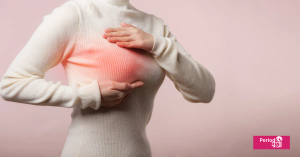
Breast development (usually the first sign)
Growth of pubic and underarm hair
Height increase (growth spurt)
Vaginal discharge (white or clear fluid)
These changes are triggered by hormones like estrogen, released by the ovaries under the control of the brain.
Menarche usually occurs 2–3 years after breast development begins.
The first period can vary from girl to girl.
Typical features include:
Light spotting or moderate bleeding
Blood color ranging from bright red to dark brown
Duration of 2–7 days
It may not look like the “regular periods” often described because the body is still adjusting hormonally.
Some girls may experience mild symptoms, while others may not feel much at all.
Common symptoms include:
Lower abdominal cramps
Back pain
Tiredness
Mood changes
Bloating
These symptoms are caused by hormonal fluctuations and uterine contractions.
Yes. After menarche, periods are often irregular for the first 1–2 years.
This happens because:
Ovulation may not occur regularly
Hormonal cycles are still maturing
A girl may have:
Skipped months
Short cycles
Longer gaps between periods
This is usually normal unless the irregularity is extreme or prolonged.
Understanding menstrual hygiene is crucial from the very first period.
Common options include:
Sanitary pads (most commonly recommended for beginners)
Tampons (used later with proper guidance)
Menstrual cups (for older, informed users)
Basic hygiene tips:
Change pads every 4–6 hours
Wash the genital area with clean water
Avoid scented or harsh products
Dispose of pads safely
Good hygiene helps prevent infections and discomfort.
Menarche is not just physical—it can also be emotional.
A girl may feel:
Nervous or scared
Embarrassed
Curious
Excited about “growing up”
The reaction often depends on how well she was prepared beforehand.
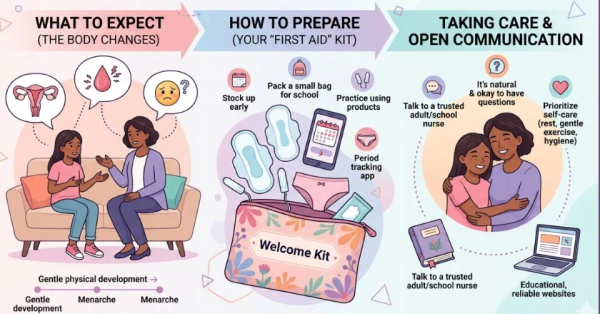
Support from parents, teachers, or caregivers plays a major role in shaping this experience positively.
Preparation can make a huge difference in how a girl experiences her first period.
Parents and caregivers should talk about periods before they start. Use simple, clear language.
A small pouch can include:
Sanitary pads
Extra underwear
Tissue or wipes
A small plastic bag for disposal
Explain:
Why periods happen
That it is completely normal
That it does not mean immediate readiness for pregnancy or adulthood
Teachers should ensure:
Access to clean toilets
Availability of emergency menstrual products
A supportive environment
The body needs proper nutrition during puberty.
Recommended:
Iron-rich foods (spinach, beetroot, jaggery)
Protein (lentils, milk, eggs if non-vegetarian)
Hydration
Regular physical activity
These help maintain energy levels and support healthy development.
Consult a healthcare professional if:
No period by age 15
Periods start before age 9
Very heavy bleeding (soaking pads every 1–2 hours)
Severe pain that interferes with daily activities
No periods even 2 years after puberty signs
These could indicate underlying hormonal or medical conditions.
In many communities, menarche is surrounded by myths and restrictions. Some girls may be told:
Not to enter the kitchen
Not to play or exercise
Not to attend school
Medically, these restrictions are not necessary.
Girls can:
Attend school
Play sports
Follow normal routines
Encouraging accurate information helps reduce stigma and builds confidence.
Parents, especially mothers or female guardians, play a crucial role.
They should:
Normalize conversations about periods
Avoid shame-based language
Offer reassurance and practical guidance
Encourage questions
Fathers and male family members should also be supportive and respectful, helping create a safe environment.
Menarche is a natural, healthy milestone. When girls understand what is happening in their bodies, they feel more confident and less anxious.
The goal is not just to manage the first period, but to build a lifelong positive relationship with menstrual health.
If you are a parent, teacher, or healthcare professional, start the conversation early. Prepare girls before menarche so they face it with confidence, not fear.
If you are a young girl, remember: your period is a normal part of growing up. Ask questions, seek guidance, and take care of your body.
Understanding menarche today builds stronger, healthier women tomorrow.
References
World Health Organization – Adolescent reproductive health guidelines
National Health Service – Puberty and periods information
Cleveland Clinic – Menstruation and puberty overview
PubMed – Hormonal changes during puberty and menarche
American College of Obstetricians and Gynecologists (ACOG) – Menstruation in adolescents
About PeriodSakhi
PeriodSakhi is your trusted companion for understanding your menstrual health. With easy-to-use tools, it helps you track your periods, ovulation, fertility, moods, and symptoms, while providing insights into your overall reproductive and hormonal health. PeriodSakhi also serves as a supportive online community where women can share experiences, find reliable information, and access expert-backed guidance on menstrual health, PCOS, pregnancy, lifestyle, and more.
Disclaimer
The views, thoughts, and opinions expressed in this article/blog are solely those of the author and do not necessarily reflect the views of PeriodSakhi. Any omissions, errors, or inaccuracies are the responsibility of the author. PeriodSakhi assumes no liability or responsibility for any content presented. Always consult a qualified medical professional for specific advice related to menstrual health, fertility, pregnancy, or related conditions.