
"Your body is not working against you during your period, it is simply adapting to natural hormonal changes. Treat it with nourishment, movement, and kindness, and it often responds with greater comfort."
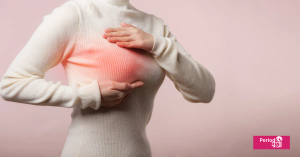
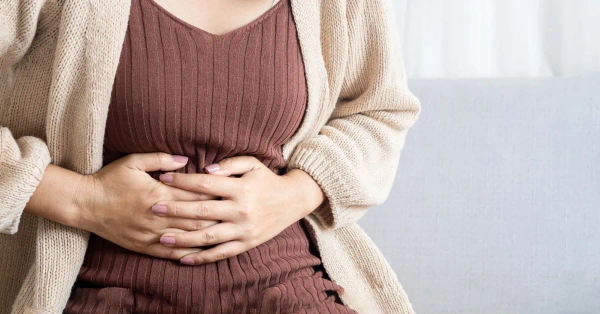
If you've ever noticed your stomach feeling unusually full, your rings fitting tighter, or the number on the weighing scale increasing just before your period, you're not alone. Many women experience bloating during the days leading up to menstruation or during the first few days of their period.
This uncomfortable feeling can make clothes feel tighter, reduce confidence, and leave you feeling sluggish. Fortunately, period bloating is usually temporary and is most often caused by hormonal changes rather than an increase in body fat. Although it may not be possible to prevent bloating completely, healthy eating habits, regular movement, adequate hydration, and a few simple lifestyle changes can significantly reduce water retention and improve overall comfort during your menstrual cycle.
Bloating is one of the most common symptoms of premenstrual syndrome (PMS). Research suggests that hormonal fluctuations, particularly changes in estrogen and progesterone, influence the body's fluid balance.
During the days before menstruation, these hormonal changes may cause the body to temporarily retain more water and sodium. At the same time, some women experience slower digestion or constipation, which can further increase abdominal fullness.
Several factors contribute to period bloating, including:
Hormonal fluctuations affecting fluid regulation
Temporary water retention
Changes in bowel movements
Increased sensitivity of the digestive tract
Dietary habits such as high sodium intake
It is important to remember that this bloating is usually temporary and improves once menstruation progresses and hormone levels begin to stabilize.
Many women worry that they have gained weight before or during their period. In reality, the slight increase seen on the weighing scale is usually caused by water retention, not fat accumulation.
Temporary weight fluctuations of 1–3 kilograms are common and generally resolve within a few days after menstruation begins.
Understanding this normal physiological process can help reduce unnecessary anxiety about weight changes during the menstrual cycle.
Potassium plays an important role in maintaining fluid balance within the body. Consuming foods naturally rich in potassium may help counteract the effects of excess sodium and support normal fluid regulation.
Excellent potassium-rich foods include:
Bananas
Coconut water
Sweet potatoes
Spinach
Tomatoes
Oranges
Lentils
Kidney beans
Avocados
Including a variety of these foods throughout the week can support overall hydration and electrolyte balance.
One of the biggest misconceptions about bloating is that drinking more water makes it worse.
In fact, dehydration may encourage the body to retain more water. Staying adequately hydrated helps the kidneys regulate fluid balance more efficiently.
Aim to drink water consistently throughout the day instead of waiting until you feel thirsty.
Good hydration options include:
Plain water
Coconut water
Lemon water without added sugar
Buttermilk
Herbal teas such as ginger or peppermint tea
Sugary beverages should not replace regular water intake.
A diet high in sodium encourages the body to hold onto more water, making bloating feel worse.
Many packaged and processed foods contain far more salt than expected.
Try limiting foods such as:
Potato chips
Instant noodles
Processed snacks
Pickles in large quantities
Fast food
Processed meats
Salted namkeen
Instead, choose freshly prepared meals using herbs, spices, lemon juice, garlic, and ginger to add flavour without excessive sodium.
Hormonal changes can slow digestion in some women, leading to constipation and increased abdominal discomfort. Dietary fibre supports healthy bowel movements and helps reduce digestive bloating.
Good sources of fibre include:
Whole grains
Oats
Brown rice
Whole wheat roti
Fruits
Vegetables
Beans
Lentils
Chickpeas
Increase fibre gradually and drink enough water to avoid worsening constipation.
Protein supports muscle health, promotes satiety, and helps maintain stable blood sugar levels.
Meals that contain adequate protein may also reduce frequent cravings for highly processed foods.
Healthy protein options include:
Dal
Paneer
Eggs
Fish
Chicken
Greek yogurt or curd
Soy products
Sprouts
Including protein at each meal can help maintain energy throughout the day.
Healthy fats support hormone production and overall health.
Include moderate amounts of:
Walnuts
Almonds
Flaxseeds
Chia seeds
Pumpkin seeds
Peanuts
Omega-3 fatty acids found in certain foods may also support the body's natural inflammatory response.
Certain foods may increase bloating in some individuals, especially when consumed in large amounts.
These include:
Highly processed salty foods
Carbonated beverages
Excess sweets and sugary desserts
Alcohol
Very large meals
Deep-fried foods
Rather than eliminating these foods completely, moderation is usually the most practical approach.
Many women believe they should avoid all physical activity during their period.
However, research suggests that gentle to moderate exercise can help improve circulation, reduce fluid retention, and support digestion.
Suitable activities include:
Walking
Yoga
Stretching
Swimming (using appropriate menstrual products)
Cycling
Light strength training
Listen to your body and adjust the intensity according to your comfort level.
Poor sleep can influence hormones involved in appetite regulation, stress, and overall well-being.
Aim for:
Seven to nine hours of sleep each night
A consistent bedtime
Limited screen exposure before sleep
A comfortable sleeping environment
Better sleep supports both physical and emotional health during the menstrual cycle.
Stress does not directly cause period bloating, but it can make symptoms feel more noticeable.
Simple relaxation techniques include:
Deep breathing exercises
Meditation
Reading
Gentle stretching
Spending time outdoors
Listening to calming music
Taking care of emotional well-being is an important part of menstrual health.
Vegetable poha with peanuts
Banana
Glass of buttermilk
Coconut water
Handful of almonds
Dal
Brown rice or whole wheat roti
Palak sabzi
Cucumber and tomato salad
Roasted chana
Ginger tea
Vegetable khichdi
Curd
Steamed vegetables
This meal pattern provides a balance of protein, fibre, potassium, and hydration while limiting excess sodium.
Although mild bloating is common, medical evaluation is recommended if you experience:
Severe abdominal swelling
Persistent bloating throughout the month
Very heavy menstrual bleeding
Severe pelvic pain
Sudden unexplained weight gain
Blood in stools
Symptoms that interfere with daily activities
Persistent or severe bloating may indicate another medical condition that requires assessment.
Period bloating is a common and temporary symptom caused primarily by hormonal changes, water retention, and digestive fluctuations. While it cannot always be prevented completely, healthy lifestyle choices can make a meaningful difference.
Eating a balanced diet rich in potassium, fibre, protein, and healthy fats, drinking enough water, reducing excess sodium, staying physically active, and getting adequate sleep all support the body's natural ability to regulate fluids and improve comfort during menstruation.
Instead of worrying about temporary changes in your body, focus on giving it the nourishment and care it needs. Every menstrual cycle is different, but understanding what is happening inside your body empowers you to manage symptoms with confidence and compassion.
Bertone-Johnson ER, et al. Relation of magnesium intake to premenstrual syndrome. Journal of Women's Health. Available through PubMed.
Iacovides S, Avidon I, Baker FC. What we know about primary dysmenorrhea today: A critical review. Human Reproduction Update. 2015.
American College of Obstetricians and Gynecologists (ACOG). Premenstrual Syndrome (PMS).
National Health Service (NHS). Premenstrual syndrome (PMS).
Office on Women's Health, U.S. Department of Health and Human Services. Premenstrual syndrome.
World Health Organization (WHO). Healthy diet and women's nutrition.
About PeriodSakhi
PeriodSakhi is your trusted companion for understanding your menstrual health. With easy-to-use tools, it helps you track your periods, ovulation, fertility, moods, and symptoms, while providing insights into your overall reproductive and hormonal health. PeriodSakhi also serves as a supportive online community where women can share experiences, find reliable information, and access expert-backed guidance on menstrual health, PCOS, pregnancy, lifestyle, and more.
Disclaimer
The views, thoughts, and opinions expressed in this article/blog are solely those of the author and do not necessarily reflect the views of PeriodSakhi. Any omissions, errors, or inaccuracies are the responsibility of the author. PeriodSakhi assumes no liability or responsibility for any content presented. Always consult a qualified medical professional for specific advice related to menstrual health, fertility, pregnancy, or related conditions.