
Meta description: Back pain during menstruation is a common symptom linked to uterine contractions and hormonal changes. Learn safe and effective strategies including posture correction, exercise, heat therapy, and when to seek medical help.
“Pain is inevitable, but suffering is optional.” This phrase aptly reflects the experience of many women during menstruation. While back pain during periods is common, its intensity and impact vary widely. For some, it is a mild discomfort; for others, it significantly interferes with daily activities. Understanding the cause and adopting evidence-based strategies can help manage this symptom effectively.
Uterine contractions: High levels of prostaglandins cause the uterus to contract, and the pain can radiate to the lower back.
Referred pain: Shared nerve pathways between the pelvis and lower back contribute to discomfort.
Hormonal influence: Fluctuating estrogen and progesterone levels affect pain sensitivity and muscle tone.
Secondary causes: Endometriosis, pelvic inflammatory disease, or uterine fibroids may present with back pain and require medical evaluation.
Local application of heat relaxes muscles, improves circulation, and reduces pain signaling.
Options: heating pads, hot water bottles, or warm baths.
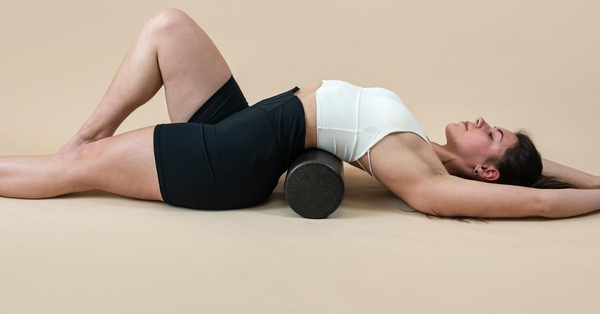
Stretching: Cat-cow stretch, child’s pose, and pelvic tilts reduce muscle tightness.
Aerobic activity: Walking, swimming, or cycling releases endorphins and improves blood flow.
Core strengthening: Regular core exercises provide pelvic stability and long-term pain reduction.
Maintaining ergonomic sitting posture prevents additional strain on the lumbar spine.
Supportive seating and avoiding prolonged slouching are beneficial.
Balanced diet: Omega-3 rich foods and adequate magnesium support muscle relaxation.
Sleep hygiene: Restful sleep reduces pain sensitivity and enhances recovery.
Hydration: Adequate water intake reduces bloating-related strain on the back.
For moderate to severe cases, medications may be considered:
NSAIDs (e.g., ibuprofen, naproxen): First-line therapy for prostaglandin-mediated pain.
Hormonal therapy: Oral contraceptives can regulate hormonal fluctuations and reduce dysmenorrhea-related back pain.
Adjunctive analgesics: For refractory cases, under physician supervision.
Seek evaluation if:
Pain is severe and disabling.
Symptoms do not improve with lifestyle and over-the-counter measures.
Back pain is associated with heavy bleeding, irregular cycles, or systemic symptoms.
There is suspicion of endometriosis, fibroids, or pelvic pathology.
Back pain during menstruation is common but manageable. Heat therapy, movement, posture correction, and lifestyle adjustments provide significant relief for most women. Pharmacologic therapy and medical evaluation are warranted in persistent or severe cases. By combining self-care with timely professional advice, women can effectively reduce discomfort and maintain daily functioning throughout their cycle.
Proctor ML, Farquhar CM. Dysmenorrhoea. Clin Evid. 2007;2007:806.
Akin MD, Weingand KW, Hengehold DA, et al. Continuous low-level topical heat in the treatment of dysmenorrhea. Obstet Gynecol. 2001;97(3):343–349.
Dawood MY. Primary dysmenorrhea: advances in pathogenesis and management. Obstet Gynecol. 2006;108(2):428–441.
National Health Service (NHS). Period pain. NHS UK. Updated 2023. Available at: https://www.nhs.uk/conditions/period-pain/
About PeriodSakhi
PeriodSakhi is your trusted companion for understanding your menstrual health. With easy-to-use tools, it helps you track your periods, ovulation, fertility, moods, and symptoms, while providing insights into your overall reproductive and hormonal health. PeriodSakhi also serves as a supportive online community where women can share experiences, find reliable information, and access expert-backed guidance on menstrual health, PCOS, pregnancy, lifestyle, and more.
Disclaimer
The views, thoughts, and opinions expressed in this article/blog are solely those of the author and do not necessarily reflect the views of PeriodSakhi. Any omissions, errors, or inaccuracies are the responsibility of the author. PeriodSakhi assumes no liability or responsibility for any content presented. Always consult a qualified medical professional for specific advice related to menstrual health, fertility, pregnancy, or related conditions.