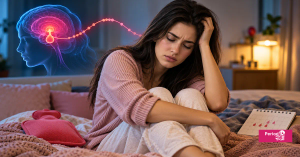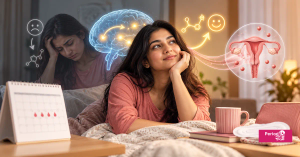

Most workplaces today acknowledge physical health issues, yet a large part of women’s reproductive health remains unseen and unsupported. Conditions like Polycystic Ovary Syndrome (PCOS) and Endometriosis are not “just period problems.” They are long-term medical conditions that directly affect hormonal balance, metabolism, pain perception, mental health, fertility, and overall quality of life.
Despite their widespread prevalence, women often push through severe pain, heavy bleeding, fatigue, nausea, and emotional turbulence because workplaces rarely offer flexibility. Menstrual leave, when implemented thoughtfully, can bridge this gap especially for women dealing with chronic reproductive conditions.
According to the World Health Organization (WHO), PCOS affects 8–13% of reproductive-age women globally.
Up to 70% remain undiagnosed, leading to untreated symptoms and worsening metabolic complications.
WHO estimates that 10% of women worldwide nearly 190 million women live with endometriosis.
Many face chronic pelvic pain, severe cramps, infertility, and reduced work capacity.
Studies show:
Women with endometriosis lose approximately 11 hours of work per week due to pain, reduced focus, or frequent breaks.
PCOS contributes to fatigue, mood instability, insulin resistance, and sleep disruption, which reduces productivity especially during menstruation.
Despite these realities, most women still attend work without adequate support, leading to presenteeism showing up physically but unable to perform optimally.
Women with PCOS experience hormonal imbalances involving insulin, androgens, and progesterone, which amplify menstrual discomfort.
Irregular cycles
Heavier or prolonged bleeding
Severe cramps
Extreme fatigue
Mood swings and anxiety
Difficulty concentrating
Low blood sugar or cravings due to insulin fluctuations
During menstruation, inflammation and hormonal dips worsen these symptoms, making it harder to function at full capacity.
Endometriosis is known as one of the most painful gynecological conditions.
Pelvic pain radiating to the back and legs
Painful periods (often severe)
Nausea and diarrhoea
Heavy bleeding
Pain while sitting, standing, or walking
Migraine
Fatigue caused by chronic inflammation
Women often describe the pain as “labour-like” or “sharp stabbing cramps,” yet workplaces expect them to remain fully functional.
The lack of rest increases pain sensitivity and prolongs flare-ups.
Menstrual leave provides practical and medical benefits:
Rest lowers cortisol and inflammatory markers, preventing flare-ups of endometriosis and PCOS-related cramps.
Avoiding physical or emotional stress helps stabilise:
Insulin levels
Androgen levels
Progesterone fluctuations
This leads to more predictable cycles and fewer severe symptoms.
Continuous stress without adequate rest worsens PCOS outcomes such as:
Weight gain
Sleep disorders
Metabolic syndrome
Endometriosis flare-ups can worsen pain pathways and elevate inflammation, increasing future work absences.
Allowing 1–2 days of menstrual leave prevents multiple days of half-productivity.
Both PCOS and endometriosis are linked to:
Anxiety
Depression
Low self-esteem
Mood fluctuations
Rest and reduced performance pressure improve emotional stability.
Several countries officially recognise menstrual leave as a legitimate workplace right.
Country | Policy |
Japan | Menstrual leave since 1947 (no limit; unpaid). |
South Korea | Monthly leave; employers must comply. |
Taiwan | 3 days per year (menstrual leave) plus sick leave. |
Indonesia | 2 days per month by law. |
Spain | First European country to legalise paid menstrual leave (2023). |
These policies acknowledge that menstrual health affects productivity and that chronic reproductive conditions need structured support.
India currently has no national menstrual leave policy. A few private companies offer it, but the coverage is limited.
Including menstrual leave under medical leave for conditions like PCOS and endometriosis.
Offering optional, not mandatory, leave to avoid misuse and stigma.
Educating employers about chronic gynecological conditions.
Ensuring privacy so women do not have to disclose specific symptoms.
Training HR teams to treat menstrual leave as legitimate health support.
Given India’s high rate of PCOS (estimated 1 in 5 women) and rising endometriosis diagnoses, providing menstrual leave could directly improve productivity.
A supportive policy can include:
Women should take it only when symptoms are severe.
A general medical category for “reproductive health leave” protects privacy.
Especially useful for mild symptoms.
Helps reduce stigma among male coworkers.
Allows women to combine days when needed.
Covers ultrasound, hormonal tests, and long-term management.
Thoughtful implementation is the key to acceptance and effectiveness.
A supportive menstrual leave policy can lead to:
Rest during pain results in better performance later.
Prevents complications that cause extended time away from work.
Women feel supported and valued.
Normalises conversations around women’s health.
Attracts female talent in competitive industries.
Menstrual leave is not about giving women “extra holidays.” It is about recognising real medical conditions like PCOS and endometriosis, which severely impact daily functioning. Data from WHO clearly shows how common and disabling these disorders can be. When workplaces provide menstrual leave, they support women’s health, protect productivity, and build a compassionate and progressive culture. Supporting women is not a cost, it is an investment in healthier, stronger, more efficient workforces.
Dr. Akanksha is a dedicated dental professional and health educator who believes that healthcare goes beyond treatment-it is about creating awareness, building trust, and empowering individuals to make informed decisions about their well-being. Alongside her clinical expertise in dentistry, she is deeply passionate about public health education, with a special focus on menstrual health, hygiene, and women's wellness.
About PeriodSakhi
PeriodSakhi is your trusted companion for understanding your menstrual health. With easy-to-use tools, it helps you track your periods, ovulation, fertility, moods, and symptoms, while providing insights into your overall reproductive and hormonal health. PeriodSakhi also serves as a supportive online community where women can share experiences, find reliable information, and access expert-backed guidance on menstrual health, PCOS, pregnancy, lifestyle, and more.
Disclaimer
The views, thoughts, and opinions expressed in this article/blog are solely those of the author and do not necessarily reflect the views of PeriodSakhi. Any omissions, errors, or inaccuracies are the responsibility of the author. PeriodSakhi assumes no liability or responsibility for any content presented. Always consult a qualified medical professional for specific advice related to menstrual health, fertility, pregnancy, or related conditions.