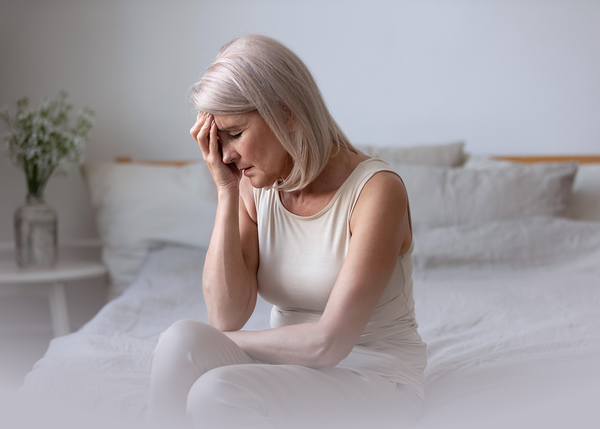

Menopause is a natural stage of life.
It marks the end of menstrual cycles and reproductive years.
Menopause is when a person has gone 12 consecutive months without a period.
It officially signals the end of ovulation and menstruation.
The ovaries stop releasing eggs.
Estrogen and progesterone levels decrease.
Pregnancy is no longer possible naturally.
Menopause usually occurs between the ages of 45 and 55.
The average age is around 51 years old.
It can happen earlier or later.
Types of menopause:
Natural menopause: Happens gradually with age.
Early menopause: Occurs before age 45.
Premature menopause: Occurs before age 40.
Surgical menopause: Happens if ovaries are removed.
Before menopause, the body enters a transition phase called perimenopause.
This stage can last several years.
During perimenopause:
Periods become irregular.
Hormone levels fluctuate.
Symptoms may begin.
Ovulation may still occur during this time, so pregnancy is still possible.
Symptoms vary from person to person.
Common physical symptoms:
Hot flashes
Night sweats
Irregular periods
Vaginal dryness
Sleep problems
Joint aches
Emotional and mental symptoms:
Mood swings
Irritability
Anxiety
Difficulty concentrating
Memory changes
Lower estrogen levels can affect overall health.
Possible changes include:
Decreased bone density (risk of osteoporosis)
Increased risk of heart disease
Changes in metabolism and weight
Thinning hair and dry skin
There are many ways to manage menopause symptoms.
Lifestyle adjustments:
Regular exercise
Balanced diet rich in calcium and vitamin D
Staying hydrated
Stress management
Good sleep habits
Medical options (with healthcare guidance):
Hormone Replacement Therapy (HRT)
Non-hormonal medications
Vaginal estrogen treatments
Seek medical advice if:
Symptoms are severe or interfere with daily life.
Bleeding occurs after menopause.
Periods suddenly become extremely heavy during perimenopause.
You experience early menopause symptoms.
Menopause is a normal biological process, not a disease.
Every person’s experience is different.
With proper support and information, menopause can be managed in a healthy and informed way.
Dr. Akanksha is a dedicated dental professional and health educator who believes that healthcare goes beyond treatment-it is about creating awareness, building trust, and empowering individuals to make informed decisions about their well-being. Alongside her clinical expertise in dentistry, she is deeply passionate about public health education, with a special focus on menstrual health, hygiene, and women's wellness.
About PeriodSakhi
PeriodSakhi is your trusted companion for understanding your menstrual health. With easy-to-use tools, it helps you track your periods, ovulation, fertility, moods, and symptoms, while providing insights into your overall reproductive and hormonal health. PeriodSakhi also serves as a supportive online community where women can share experiences, find reliable information, and access expert-backed guidance on menstrual health, PCOS, pregnancy, lifestyle, and more.
Disclaimer
The views, thoughts, and opinions expressed in this article/blog are solely those of the author and do not necessarily reflect the views of PeriodSakhi. Any omissions, errors, or inaccuracies are the responsibility of the author. PeriodSakhi assumes no liability or responsibility for any content presented. Always consult a qualified medical professional for specific advice related to menstrual health, fertility, pregnancy, or related conditions.