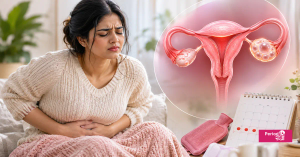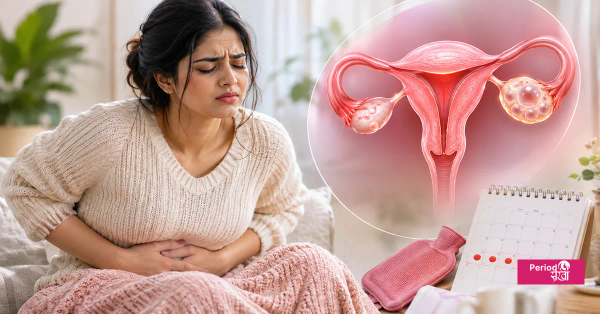

A menstrual cycle can sometimes become unpredictable. One month, your period arrives on time, and the next, it may be delayed, unusually light or heavier than expected. While occasional changes in menstrual patterns are common, repeated irregularities deserve attention. One possible reason behind these changes is the presence of ovarian cysts. These are fluid-filled sacs that develop in or on the ovaries. Many ovarian cysts are harmless and disappear without treatment, while others may influence hormonal activity, ovulation and menstrual regularity. Understanding the relationship between ovarian cysts and menstrual health can help women recognise symptoms, seek timely medical advice and avoid unnecessary anxiety.
The ovaries are two small reproductive organs located on either side of the uterus. They play an important role in producing reproductive hormones, including oestrogen and progesterone, and releasing eggs during ovulation. An ovarian cyst is a sac filled with fluid or, occasionally, other material that develops within or on the surface of an ovary.
Ovarian cysts are relatively common during the reproductive years. Many develop as part of the normal menstrual cycle and resolve independently within a few weeks or months. Not all ovarian cysts are associated with menstrual irregularities. Their effects depend on their type, size and underlying cause.
Ovarian cysts are classified into different types based on how and why they develop.
1. Functional cysts
These are the most common ovarian cysts and develop as part of the menstrual cycle.
Follicular cysts form when the follicle containing the developing egg does not release the egg or does not shrink after ovulation.
Corpus luteum cysts develop when the follicle releases an egg but the remaining structure accumulates fluid.
Functional cysts are usually harmless and often disappear without medical intervention. Some women may experience pelvic discomfort, spotting or changes in their usual menstrual pattern.
2. Endometriomas
These cysts develop when endometrial-like tissue grows on the ovaries. They are associated with endometriosis and may contain thick, dark blood, which is why they are sometimes called chocolate cysts.
Women with endometriomas may experience:
Painful periods.
Pelvic pain.
Pain during sexual intercourse.
Difficulty conceiving.
3. Dermoid cysts
Also known as mature cystic teratomas, these cysts develop from reproductive cells and may contain tissues such as hair, skin or fat.
They are generally benign and do not usually cause hormonal changes or menstrual irregularities. Larger dermoid cysts may cause abdominal discomfort or complications such as ovarian torsion.
4. Polycystic ovaries
Polycystic ovaries are associated with polycystic ovary syndrome (PCOS), a hormonal and metabolic condition.
Women with PCOS may have multiple small follicles visible on an ultrasound, irregular ovulation and elevated androgen levels. PCOS is not simply the presence of ovarian cysts. The condition involves a combination of hormonal and metabolic changes.
The relationship between ovarian cysts and menstruation depends on whether the cyst affects normal ovulation or hormone production.
Here are some menstrual changes that women may notice:
Ovulation is an important part of the menstrual cycle. When an egg is not released regularly, the hormonal changes that normally prepare the uterine lining for menstruation may also become irregular.
Certain ovarian cysts and hormonal conditions can interfere with this process, resulting in delayed or unpredictable periods.
A functional cyst may develop when the normal process of follicle development or ovulation is disrupted.
If ovulation is delayed, menstruation may also occur later than expected. Repeated missed periods, though, should not automatically be attributed to ovarian cysts. Pregnancy, thyroid disorders, PCOS and other hormonal conditions may also contribute.
Changes in hormonal activity can influence the development and shedding of the uterine lining.
Some women may experience heavier bleeding, spotting between periods or changes in menstrual flow. These symptoms are not specific to ovarian cysts and may have several other causes.
Some ovarian cysts, particularly endometriomas, are associated with significant pelvic pain.
Women may experience pain before menstruation, during bleeding or throughout different stages of their cycle. The discomfort may sometimes extend towards the lower back or thighs.
It is important to distinguish ordinary menstrual cramps from persistent or progressively worsening pelvic pain.
This is one of the most common misconceptions surrounding menstrual health.
Ovarian cysts and PCOS are not interchangeable conditions.
Ovarian cysts | PCOS |
|---|---|
Fluid-filled or tissue-containing sacs in or on the ovaries | A hormonal and metabolic condition |
Often develop individually | May involve multiple small ovarian follicles |
Many resolve naturally | Usually requires long-term symptom management |
May or may not affect menstruation | Frequently associated with irregular ovulation and periods |
Usually diagnosed through imaging | Diagnosed using clinical assessment, blood tests and sometimes ultrasound |
A woman can have ovarian cysts without having PCOS. Similarly, a diagnosis of PCOS does not require the presence of ovarian cysts on an ultrasound.
Many ovarian cysts do not produce noticeable symptoms and are discovered during routine pelvic examinations or ultrasound scans.
When symptoms occur, they may include:
Dull or sharp pain in the lower abdomen.
A feeling of pressure or heaviness in the pelvis.
Abdominal bloating or swelling.
Pain during intercourse.
Frequent urination due to pressure on the bladder.
Changes in menstrual patterns.
Seek urgent medical attention if you experience:
Sudden, severe pelvic or abdominal pain.
Pain accompanied by fever or vomiting.
Dizziness, fainting or marked weakness.
Rapid breathing or signs of significant blood loss.
These symptoms may indicate complications such as ovarian torsion, where the ovary twists and its blood supply is affected, or cyst rupture with internal bleeding.
A gynaecologist may recommend investigations depending on your symptoms, medical history and examination findings.
Pelvic ultrasound: This is commonly used to identify ovarian cysts, assess their size and examine their structure. It may be performed abdominally or transvaginally.
Pregnancy test: A pregnancy test may be recommended when periods are delayed or missed, particularly to rule out pregnancy and ectopic pregnancy.
Hormonal blood tests: Depending on the clinical presentation, tests may assess thyroid function, reproductive hormones or androgen levels.
Follow-up imaging: Some cysts require repeat ultrasound examinations to check whether they are shrinking, remaining stable or changing in appearance.
Not every ovarian cyst requires medication or surgery. Management depends on the cyst's characteristics, symptoms, age and reproductive plans.
The effect of ovarian cysts on fertility depends largely on their type and underlying cause. Most simple functional cysts do not have a lasting impact on fertility. They generally resolve without affecting the ovaries' ability to release eggs. Endometriomas, on the other hand, may be associated with endometriosis, which can affect ovarian reserve and reproductive health. Certain surgical procedures for ovarian cysts may also affect healthy ovarian tissue. PCOS can interfere with regular ovulation, making conception more difficult for some women. Appropriate treatment and ovulation management can improve the chances of pregnancy.
If you are planning a pregnancy and have been diagnosed with ovarian cysts, discuss the available treatment options and their potential effects on ovarian function with your gynaecologist.
Although lifestyle changes cannot directly eliminate ovarian cysts, certain habits can support overall reproductive and metabolic health.
Maintain balanced nutrition: Include vegetables, fruits, whole grains, adequate protein and healthy fats in your daily meals.
Stay physically active: Regular movement supports metabolic health and may be particularly beneficial for women with PCOS.
Maintain a healthy sleep routine: Consistent sleep supports general hormonal and metabolic functioning.
Track your menstrual cycle: Record period dates, bleeding patterns, pain and other symptoms to identify recurring changes.
Attend recommended follow-ups: Do not skip ultrasound appointments or medical reviews when monitoring an ovarian cyst.
Avoid self-medicating with hormonal tablets or supplements to regulate periods without medical advice.
1. Can ovarian cysts cause a missed period?
Certain ovarian cysts may interfere with normal ovulation and contribute to delayed or missed periods. Other causes, including pregnancy, PCOS and thyroid disorders, should also be considered.
2. Do ovarian cysts disappear on their own?
Many functional ovarian cysts resolve naturally within a few menstrual cycles. Other types may persist and require monitoring or treatment.
3. Can ovarian cysts cause weight gain?
Most small ovarian cysts do not cause significant weight gain. Larger cysts may contribute to abdominal swelling or an increased waist circumference.
4. Can I get pregnant if I have ovarian cysts?
Yes. Most ovarian cysts do not prevent pregnancy. The effect on fertility depends on the type of cyst and whether an underlying condition, such as endometriosis or PCOS, is present.
5. Are ovarian cysts cancerous?
Most ovarian cysts in younger women are benign. A small proportion may be cancerous, with the risk depending on factors such as age, menopausal status and ultrasound characteristics. Medical evaluation is important when a cyst has suspicious features.
Ovarian cysts are common, and their presence does not automatically indicate a serious reproductive health problem. Many disappear without treatment, while others require regular monitoring or medical intervention.
The important thing is to understand the difference between occasional menstrual changes and persistent symptoms that need attention.
A delayed period, unusual bleeding or recurring pelvic pain should not become something you simply learn to tolerate. Paying attention to your menstrual patterns and seeking timely medical advice can help protect your reproductive health.
At PeriodSakhi, we encourage women to understand their cycles, recognise changes and make informed decisions about their health. Because knowing what is happening inside your body is an important part of taking care of it.
Dr. Akanksha is a dedicated dental professional and health educator who believes that healthcare goes beyond treatment-it is about creating awareness, building trust, and empowering individuals to make informed decisions about their well-being. Alongside her clinical expertise in dentistry, she is deeply passionate about public health education, with a special focus on menstrual health, hygiene, and women's wellness.
About PeriodSakhi
PeriodSakhi is your trusted companion for understanding your menstrual health. With easy-to-use tools, it helps you track your periods, ovulation, fertility, moods, and symptoms, while providing insights into your overall reproductive and hormonal health. PeriodSakhi also serves as a supportive online community where women can share experiences, find reliable information, and access expert-backed guidance on menstrual health, PCOS, pregnancy, lifestyle, and more.
Disclaimer
The views, thoughts, and opinions expressed in this article/blog are solely those of the author and do not necessarily reflect the views of PeriodSakhi. Any omissions, errors, or inaccuracies are the responsibility of the author. PeriodSakhi assumes no liability or responsibility for any content presented. Always consult a qualified medical professional for specific advice related to menstrual health, fertility, pregnancy, or related conditions.