
We all know that drinking enough water is important, but did you know your hydration needs actually shift during different phases of your menstrual cycle? Just like energy levels, mood, and appetite, the way your body holds and uses fluids also changes. That’s why some days a single glass of water feels refreshing, while on other days you crave coconut water, lemonade, or even salty snacks.
By syncing your hydration with your cycle, you can ease bloating, reduce fatigue, improve concentration, and even manage PMS more effectively. Here’s how you can make water and electrolytes your best allies throughout the month.
During your period, your body loses both blood and fluids, and this can sometimes leave you feeling drained or headachy.
Tips:
Drink warm water, herbal teas (like chamomile or ginger), or ajwain-infused water to ease cramps.
Add iron-rich foods like spinach soups or beetroot juice with a pinch of rock salt to restore minerals.
If you’re prone to heavy bleeding, include natural electrolyte-rich drinks such as coconut water or lemon water with a dash of jaggery.
Relatable Example: Think of this phase like a recharge period, gentle hydration soothes your body just like a warm blanket on a rainy day.
Estrogen starts to rise, and you usually feel lighter and more energetic. Your body handles fluids better, so hydration feels easy.
Tips:
Keep sipping plain water steadily through the day instead of gulping large amounts at once.
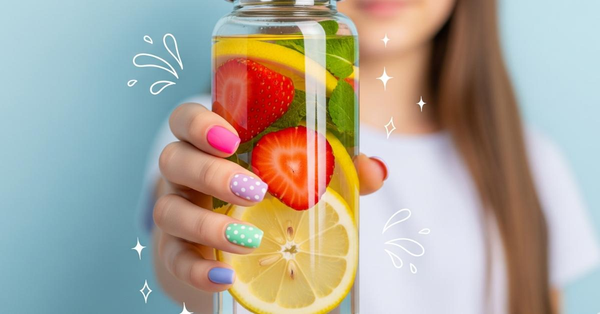
Try fresh fruit-infused water (orange, cucumber, or mint) for an energizing kick.
Since energy is higher, pre- and post-workout hydration is important, water before exercise and a light electrolyte drink after.
Relatable Example: Imagine you’re spring-cleaning your system and your body is in a “fresh start” mode, so crisp and refreshing hydration works best.
Ovulation can make you feel warmer than usual because of hormonal shifts. Some people even notice mild bloating.
Tips:
Prioritize cooling fluids like coconut water, buttermilk, or cucumber smoothies.
Add a pinch of salt and sugar to lemon water if you’re outdoors or sweating more.
Limit excess caffeine, which can dehydrate and add to irritability.
Relatable Example: Think of this as your “power days”, you’re shining socially and physically, but cooling hydration helps balance the internal heat.
As progesterone rises, water retention, bloating, and cravings may show up. Hydration during this phase can make a big difference in how you feel.
Tips:
Drink water steadily, but also add potassium-rich fluids like banana smoothies or coconut water to fight bloating.
Herbal teas such as peppermint or fennel can reduce puffiness and calm digestion.
If you crave salty foods, balance it with an electrolyte drink rather than processed snacks.
Relatable Example: This is your “pre-period prep time.” Smart hydration can soften PMS discomfort and help you feel more in control instead of weighed down.
Listen to your body: Thirst, dry lips, or fatigue are early signals you need fluids.
Check your urine: Light yellow usually means you’re well-hydrated; darker shades suggest you need more water.
Carry a bottle: Keep a reusable water bottle with you so sipping feels natural, not forced.
Adjust for climate: In Indian summers or after gym sessions, your hydration needs can double.
Cycle-synced hydration isn’t about complicated rules; it’s about noticing how your body feels and adjusting fluids to support it. Some days, plain water is enough, while on others, electrolytes, herbal teas, or mineral-rich drinks make all the difference. When you hydrate with your cycle in mind, you’re not just drinking water, you’re nourishing balance, energy, and emotional ease.
Your bottle isn’t just a habit; it’s a monthly wellness tool waiting to be used wisely.
About PeriodSakhi
PeriodSakhi is your trusted companion for understanding your menstrual health. With easy-to-use tools, it helps you track your periods, ovulation, fertility, moods, and symptoms, while providing insights into your overall reproductive and hormonal health. PeriodSakhi also serves as a supportive online community where women can share experiences, find reliable information, and access expert-backed guidance on menstrual health, PCOS, pregnancy, lifestyle, and more.
Disclaimer
The views, thoughts, and opinions expressed in this article/blog are solely those of the author and do not necessarily reflect the views of PeriodSakhi. Any omissions, errors, or inaccuracies are the responsibility of the author. PeriodSakhi assumes no liability or responsibility for any content presented. Always consult a qualified medical professional for specific advice related to menstrual health, fertility, pregnancy, or related conditions.