
Rest Is Not New But Only the Conversation Is
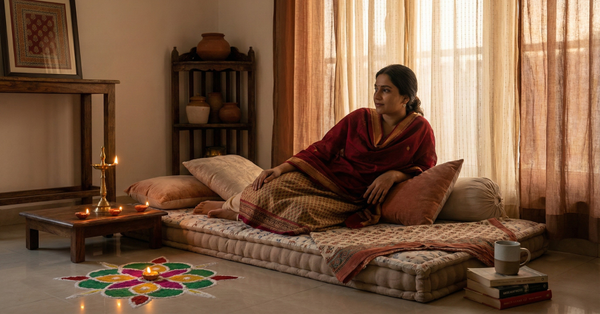
Modern India debates menstrual leave as if it is a radical idea. Yet for thousands of years, Indian culture has acknowledged that menstruation requires space, rest, and reduced physical workload. Long before corporate policies existed, communities practiced menstrual rest through rituals, reduced chores, and time for recovery. While not all practices were empowering, the underlying principle remains clear: the female body goes through cyclic shifts that deserve respect.
Today, science supports what our cultural systems intuitively understand that menstruation can affect energy levels, pain thresholds, mood, focus, digestion, and physical strength. Menstrual leave is not a modern privilege. It is a return to bodily wisdom that Indian traditions have recognised for centuries.
Across regions, Indian households once structured work and rituals around the menstrual cycle. While some restrictions were rooted in superstition, many were linked to the recognition that menstruation brings physical strain.
Allowing women to rest by exempting them from cooking and heavy chores
Providing separate sleeping spaces for privacy and comfort
Encouraging minimal physical activity
Offering warm, easy-to-digest foods
Creating emotional quiet time
These practices were not always feminist, but they reveal a cultural understanding that the body needs recuperation.
Ayurveda views menstruation as a natural cleansing process governed by Vata energy. According to Ayurvedic texts:
Menstruation involves physical and emotional sensitivity
Excess exertion can disturb hormonal balance
Rest stabilises Vata and supports healthy cycles
Warmth, hydration, and reduced workload help the body heal
Ayurveda recommends:
Light walking instead of strenuous exercise
Warm meals
Adequate sleep
Avoiding stress and overwork
These guidelines align closely with modern medical advice for menstrual management, especially for women with PCOS, endometriosis, heavy bleeding, or severe cramps.
In many ancient Indian texts, the menstrual cycle was referred to as “Ritu Kala”, meaning “season of the body.”
This concept emphasised:
Cyclical changes
Hormonal rhythms
Time for renewal
Women were encouraged to listen to their bodies and adjust activities according to their cycle. This mirrors modern cycle-tracking apps that help women optimise work, workouts, and rest based on hormonal phases.
Some communities created dedicated spaces where menstruating women could rest. Though these spaces later gained stigma, their original purpose was protection and comfort.
Examples include:
Separate huts in tribal areas for rest and reduced workload
Quiet rooms in South Indian homes
Matrilineal community rituals that honoured menstruation
These traditions show that structured rest was socially accepted long before formal leave policies existed.
Despite strong cultural roots, India’s corporate and industrial sectors have not integrated menstrual rest into official policies. Women today face:
Long commutes
High-pressure jobs
Shift-based work
Manual labour
Lack of clean washrooms
Stigma around speaking about periods
Where earlier generations had built-in rest, modern women are expected to maintain uninterrupted productivity—even during heavy bleeding or severe pain.
This gap between cultural wisdom and workplace demands makes menstrual leave not just relevant, but necessary.
Current research validates the need for rest during menstruation.
20% of women experience severe dysmenorrhea that impacts daily activities
Women with endometriosis experience pain similar to chronic illness
PCOS leads to heavier, irregular, and more painful cycles
Fatigue increases due to hormonal fluctuations
Productivity drops by 8–9 days per year due to working through pain
Traditional rest practices were not wrong, they were early forms of menstrual-aware health care.
Menstrual leave is not an imported Western concept. It fits naturally into India’s cultural, medical, and historical context.
Indian households understood that energy levels shift across the cycle — workplaces can too.
Earlier societies made space for discomfort; modern companies can provide structured leave.
Ayurveda prioritises rest to maintain long-term hormonal balance. Menstrual leave supports this goal.
Instead of restrictions or taboos, modern India can use evidence-based policy.
Allowing menstrual leave honours the diversity of women’s experiences just as traditional practices did.
To align with India’s cultural values and workplace realities, menstrual leave can be:
Women should take it only when needed.
Consistent with traditional rest duration.
Modern version of reduced workload.
Especially for women with PCOS, heavy bleeding, or endometriosis.
Rooted in respect, not shame, a shift from taboo to empowerment.
Menstrual leave is not a break from tradition, it is a continuation of it. India has always understood that women deserve rest, care, and healing during menstruation. What earlier generations practiced informally, today’s workplaces can support formally. By aligning cultural wisdom with modern science, India can create a work culture that respects women’s physical needs and enhances productivity.
Menstrual leave is not just a policy. It is a restoration of balance, dignity, and cultural truth.
World Health Organization – Endometriosis Fact Sheet.
International Journal of Obstetrics & Gynecology – Dysmenorrhea Studies.
Ayurvedic Principles of Menstruation – Charaka Samhita.
BMJ Productivity Analysis (2019).
NFHS-5 India – Women’s Health Data.
About PeriodSakhi
PeriodSakhi is your trusted companion for understanding your menstrual health. With easy-to-use tools, it helps you track your periods, ovulation, fertility, moods, and symptoms, while providing insights into your overall reproductive and hormonal health. PeriodSakhi also serves as a supportive online community where women can share experiences, find reliable information, and access expert-backed guidance on menstrual health, PCOS, pregnancy, lifestyle, and more.
Disclaimer
The views, thoughts, and opinions expressed in this article/blog are solely those of the author and do not necessarily reflect the views of PeriodSakhi. Any omissions, errors, or inaccuracies are the responsibility of the author. PeriodSakhi assumes no liability or responsibility for any content presented. Always consult a qualified medical professional for specific advice related to menstrual health, fertility, pregnancy, or related conditions.