
Every year arrives with a new set of health promises. Superfoods replace balanced meals. Extreme routines replace consistency. Supplements promise shortcuts. For many women, this cycle of hype creates confusion rather than clarity.
True health is quieter. It is built through habits that support the body daily without exhaustion, guilt, or extremes.
This year, the shift worth making is from chasing trends to trusting science.
Scientific evidence consistently shows that long-term health outcomes improve through small, repeated behaviours rather than short-term interventions.
Habits work because they:
Support physiological balance
Reduce stress on the body
Are easier to sustain
Adapt to hormonal changes
Hype may motivate briefly. Habits protect health over time.
Sleep regulates metabolism, immunity, mental health, and hormonal balance. Chronic sleep deprivation increases the risk of cardiovascular disease, insulin resistance, anxiety, and weight gain.
Science-backed sleep habits include:
Maintaining a regular sleep schedule
Reducing screen exposure before bedtime
Allowing adequate sleep duration
Creating a calm sleep environment
Rest is not optional care. It is a biological necessity.
Restrictive diets and prolonged fasting cycles often disrupt hormonal and metabolic health in women.
Evidence supports:
Regular meal timing
Adequate protein intake
Inclusion of complex carbohydrates
Healthy fats for hormonal function
Nourishment stabilises energy, mood, and menstrual health.
Research shows that moderate, consistent physical activity improves cardiovascular health, bone density, insulin sensitivity, and mental well-being.
Effective movement habits include:
Walking
Strength training at manageable intensity
Stretching and mobility exercises
Reducing prolonged sitting
Movement should strengthen the body, not exhaust it.
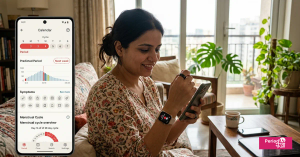
The menstrual cycle reflects hormonal health and overall well-being. Ignoring cycle patterns can delay diagnosis of underlying conditions.
Science-supported practices include:
Tracking cycle length and flow
Noting pain, fatigue, and mood changes
Seeking medical evaluation for irregularities
Awareness allows early intervention and better health outcomes.
Chronic stress alters cortisol levels, disrupts sleep, digestion, and reproductive hormones.
Evidence-based stress management includes:
Regular breaks
Mindful breathing
Setting boundaries
Adequate rest
Reducing stress is not indulgence. It is preventive medicine.
Early detection remains one of the strongest predictors of positive health outcomes.
Preventive screening includes:
Blood pressure and blood sugar checks
Lipid profile assessment
Thyroid screening when indicated
Reproductive health check-ups
Prevention reduces long-term health burden.
Adequate hydration supports kidney function, digestion, skin health, and cognitive performance.
Science recommends:
Regular fluid intake
Responding to thirst cues
Adjusting hydration based on climate and activity
Hydration supports every system quietly and consistently.
Gut health influences immunity, metabolism, and mental health.
Evidence-based support includes:
Fibre-rich foods
Regular meals
Managing stress
Avoiding unnecessary medications
Supplements cannot replace daily dietary habits.
Mental health is inseparable from physical health. Anxiety, burnout, and emotional exhaustion impact hormonal balance and immunity.
Science-backed mental health habits include:
Emotional awareness
Seeking professional support when needed
Building rest into daily life
Mental well-being deserves equal priority.
Health outcomes improve when habits are maintained, not when they are performed perfectly.
Missing a day does not undo progress. Sustainable care allows flexibility.
Consistency is what science supports.
The most powerful health practices are rarely dramatic. They are steady, evidence-based, and respectful of the body’s needs.
This year does not require reinvention. It requires alignment with science, with routine, and with self-awareness.
Habits create health. Hype fades. The choice is clear.
Dr. Akanksha is a dedicated dental professional and health educator who believes that healthcare goes beyond treatment-it is about creating awareness, building trust, and empowering individuals to make informed decisions about their well-being. Alongside her clinical expertise in dentistry, she is deeply passionate about public health education, with a special focus on menstrual health, hygiene, and women's wellness.
About PeriodSakhi
PeriodSakhi is your trusted companion for understanding your menstrual health. With easy-to-use tools, it helps you track your periods, ovulation, fertility, moods, and symptoms, while providing insights into your overall reproductive and hormonal health. PeriodSakhi also serves as a supportive online community where women can share experiences, find reliable information, and access expert-backed guidance on menstrual health, PCOS, pregnancy, lifestyle, and more.
Disclaimer
The views, thoughts, and opinions expressed in this article/blog are solely those of the author and do not necessarily reflect the views of PeriodSakhi. Any omissions, errors, or inaccuracies are the responsibility of the author. PeriodSakhi assumes no liability or responsibility for any content presented. Always consult a qualified medical professional for specific advice related to menstrual health, fertility, pregnancy, or related conditions.