
The New Year often invites change. For women, it is also an opportunity to shift focus from reacting to illness to preventing it. Health is not only about treating symptoms when they appear. It is about building habits that quietly protect the body every day.
Preventive health does not demand perfection or intensity. It asks for awareness, consistency, and respect for the body’s signals.
Women experience unique health challenges influenced by:
Hormonal cycles
Reproductive health changes
Caregiving responsibilities
Higher rates of nutritional deficiencies
Longer life expectancy
Preventive habits reduce the risk of chronic illness, improve quality of life, and support healthy aging.
Routine screenings help detect health concerns early, often before symptoms appear.
Key preventive checks include:
Blood pressure and blood sugar monitoring
Lipid profile assessments
Thyroid function tests
Breast and cervical screening as recommended
Bone health assessment when indicated
Early detection improves outcomes and reduces long-term complications.
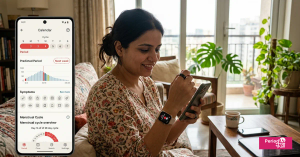
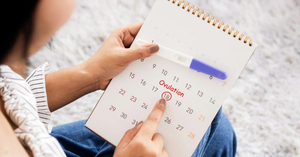
The menstrual cycle is a vital sign of women’s health. Changes in cycle length, flow, or pain levels can indicate underlying issues.
Preventive awareness includes:
Tracking cycle regularity
Noting heavy bleeding or severe pain
Seeking care for missed or irregular periods
Understanding what is normal for one’s body
Listening to menstrual patterns allows timely medical intervention.
Preventive nutrition focuses on steady nourishment rather than restrictive trends.
Healthy daily habits include:
Eating balanced meals
Including iron, calcium, and protein sources
Staying hydrated
Avoiding prolonged fasting without medical advice
Adequate nutrition supports immunity, hormonal balance, and energy levels.
Movement protects cardiovascular health, bone density, and mental well-being.
Preventive activity does not require intense workouts. Simple consistency matters:
Walking regularly
Stretching or yoga
Strengthening muscles gradually
Reducing prolonged sitting
Movement keeps the body resilient.
Stress, anxiety, and emotional exhaustion are common but not inevitable.
Preventive mental health care includes:
Managing daily stress
Setting boundaries
Seeking support when needed
Allowing time for rest
Mental health directly influences hormonal balance and immune function.
Sleep plays a central role in prevention. Chronic sleep deprivation increases the risk of metabolic disorders, mood changes, and weakened immunity.
Healthy sleep habits include:
Maintaining a consistent sleep schedule
Reducing screen exposure at night
Creating a calming bedtime routine
Rest is foundational to healing and prevention.
Digestive health affects nutrient absorption, immunity, and hormonal balance.
Preventive care includes:
Eating fibre-rich foods
Staying hydrated
Managing stress
Avoiding frequent use of unnecessary medications
A healthy gut supports overall well-being.
Preventive health also means minimising known risks.
Small changes include:
Avoiding tobacco
Limiting alcohol consumption
Practising safe sexual health
Using sun protection
Risk reduction protects long-term health.
The body often signals discomfort before illness develops.
Preventive awareness means taking symptoms seriously:
Persistent fatigue
Unexplained weight changes
Irregular cycles
Chronic pain or discomfort
Early attention prevents progression.
Preventive care is not seasonal. It is a continuous relationship with one’s body.
Habits become sustainable when they are:
Simple
Adaptable
Compassionate
Integrated into daily life
Consistency matters more than intensity.
Preventive health is not about fear of illness. It is about valuing the body enough to care for it before problems arise.
This New Year, awareness can become action. Small daily habits can quietly protect health, preserve energy, and support a woman through every stage of life.
Health is not built in emergencies.It is preserved in everyday choices.
Dr. Akanksha is a dedicated dental professional and health educator who believes that healthcare goes beyond treatment-it is about creating awareness, building trust, and empowering individuals to make informed decisions about their well-being. Alongside her clinical expertise in dentistry, she is deeply passionate about public health education, with a special focus on menstrual health, hygiene, and women's wellness.
About PeriodSakhi
PeriodSakhi is your trusted companion for understanding your menstrual health. With easy-to-use tools, it helps you track your periods, ovulation, fertility, moods, and symptoms, while providing insights into your overall reproductive and hormonal health. PeriodSakhi also serves as a supportive online community where women can share experiences, find reliable information, and access expert-backed guidance on menstrual health, PCOS, pregnancy, lifestyle, and more.
Disclaimer
The views, thoughts, and opinions expressed in this article/blog are solely those of the author and do not necessarily reflect the views of PeriodSakhi. Any omissions, errors, or inaccuracies are the responsibility of the author. PeriodSakhi assumes no liability or responsibility for any content presented. Always consult a qualified medical professional for specific advice related to menstrual health, fertility, pregnancy, or related conditions.