
A familiar moment
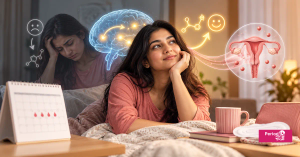
It is mid-afternoon during fasting hours. The stomach feels empty, the mouth dry, and there is a quiet heaviness in the lower abdomen. The pad feels slightly uncomfortable, but changing it again feels tiring. There is also the worry of odor, sweating, and irritation, especially in warm weather. Many women silently adjust, endure, and move on.
Medically, this silent endurance is unnecessary.
Periods and fasting can coexist safely and comfortably when the body is supported with simple, intentional care.
Fasting changes daily routines. Fluid intake is reduced, sleep schedules shift, and energy levels fluctuate. During menstruation, these changes can amplify discomfort.
From a medical standpoint, the combination of fasting and periods can lead to:
Increased dehydration
More sweating and skin irritation
Stronger cramps due to low blood sugar
Fatigue and heaviness
Higher risk of rashes or infections if hygiene is delayed
Comfort during periods is not about luxury. It is about preventing avoidable health issues.
Freshness does not mean fragrance. It means:
Clean, dry skin
Regular pad or cup changes
Healthy vaginal pH
Absence of irritation or infection
Blood, moisture, and warmth create an environment where bacteria can grow easily. During fasting, when women may avoid frequent washing or bathroom breaks, this risk increases.
Freshness comes from consistency, not products.
Comfort starts with the right product.
Use pads with good absorbency, especially during heavy days
Avoid very thick or plastic-backed pads in hot weather
If using menstrual cups, ensure proper hygiene and timely emptying
Change pads every 4 to 6 hours, even if bleeding is light
Delaying changes to “manage” discomfort often causes more irritation later.
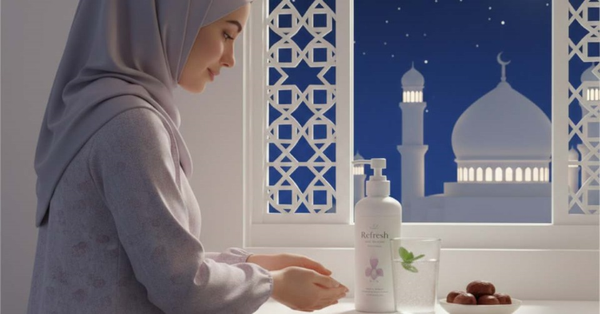
Wash the external genital area with plain water. This removes blood residue and sweat without disturbing the natural vaginal balance.
Avoid:
Scented soaps
Antiseptic liquids
Vaginal washes or douching
These can damage healthy bacteria and increase infection risk.
After washing, gently pat dry. Moist skin is more prone to rashes and itching.
Carry spare underwear if needed. Changing once during the day can significantly improve comfort.
Warm weather and fasting often increase sweating. During periods, this can cause chafing and irritation.
Helpful tips:
Wear loose, breathable cotton underwear
Avoid tight jeans or synthetic fabrics
Change pads before long sitting periods
Use a clean cloth or towel to gently dry the area if sweating occurs
Powders and sprays may seem tempting but often worsen irritation.
Hydration directly affects comfort during periods.
Even mild dehydration can worsen:
Cramps
Headaches
Fatigue
Constipation
Between iftar and suhoor:
Drink water regularly, not all at once
Include soups or fruits with high water content
Limit excessive caffeine
If not fasting due to periods, continue steady water intake through the day. Holding back fluids increases urinary infections and discomfort.
What you eat affects how you feel during periods.
Helpful foods include:
Iron-rich foods like dates, lentils, leafy vegetables
Warm, home-cooked meals
Adequate protein for energy
Avoid:
Excessively salty foods that increase bloating
Very spicy foods that worsen acidity
Long gaps between meals
Stable blood sugar helps reduce irritability and weakness.
A mild smell during periods is normal. Strong or foul odor is not.
Do not attempt to mask odor with:
Perfumed wipes
Sprays
Talcum powders
Instead:
Change pads regularly
Wash gently with water
Keep the area dry
Persistent odor may indicate infection and needs medical attention.
Sleep is often disturbed during fasting months. During periods, poor sleep increases pain sensitivity and fatigue.
For better night comfort:
Change pads before sleeping
Use appropriate night pads
Wear loose nightwear
Keep water nearby
Quality rest helps hormonal recovery.
Discomfort is not only physical. Feeling self-conscious, guilty, or tense increases stress hormones, which worsen cramps and fatigue.
Simple emotional care includes:
Accepting rest without guilt
Creating a calm hygiene routine
Preparing supplies in advance
A calm mind supports a calm body.
Reducing pad changes to avoid washing
Using harsh cleansers to feel “extra clean”
Ignoring itching or burning
Wearing tight clothing all day
Skipping meals or fluids unnecessarily
These habits often come from lack of guidance, not neglect.
Consult a healthcare professional if you experience:
Severe itching or burning
Rashes that do not heal
Thick, foul-smelling discharge
Pain during urination
Excessive weakness or dizziness
These are signs that basic care needs medical support.
“Comfort during periods is not a luxury you earn after endurance. It is a basic need you are allowed to meet.”
Staying fresh and comfortable while fasting during periods does not require complicated routines. It requires listening to your body, maintaining hygiene, and allowing yourself care without guilt. Your body carries you through fasting, prayer, work, and life.Taking care of it during menstruation is not optional.It is essential.
Dr. Akanksha is a dedicated dental professional and health educator who believes that healthcare goes beyond treatment-it is about creating awareness, building trust, and empowering individuals to make informed decisions about their well-being. Alongside her clinical expertise in dentistry, she is deeply passionate about public health education, with a special focus on menstrual health, hygiene, and women's wellness.
About PeriodSakhi
PeriodSakhi is your trusted companion for understanding your menstrual health. With easy-to-use tools, it helps you track your periods, ovulation, fertility, moods, and symptoms, while providing insights into your overall reproductive and hormonal health. PeriodSakhi also serves as a supportive online community where women can share experiences, find reliable information, and access expert-backed guidance on menstrual health, PCOS, pregnancy, lifestyle, and more.
Disclaimer
The views, thoughts, and opinions expressed in this article/blog are solely those of the author and do not necessarily reflect the views of PeriodSakhi. Any omissions, errors, or inaccuracies are the responsibility of the author. PeriodSakhi assumes no liability or responsibility for any content presented. Always consult a qualified medical professional for specific advice related to menstrual health, fertility, pregnancy, or related conditions.