
Not all period fatigue is about iron. Sometimes you are not dizzy. You are simply drained. Mentally foggy. Snappy. Hungry again very quickly. This pattern often points to unstable blood sugar. During menstruation, estrogen and progesterone fluctuate. These hormones influence insulin sensitivity. Some women become slightly more sensitive to blood sugar dips during their period.
When you fast, long gaps without food can exaggerate these fluctuations.
Protein is the quiet stabilizer in this story.
Unlike simple carbohydrates, protein slows digestion and reduces rapid spikes and crashes in blood sugar. Stable glucose means steady energy, better concentration, and fewer sudden mood drops.
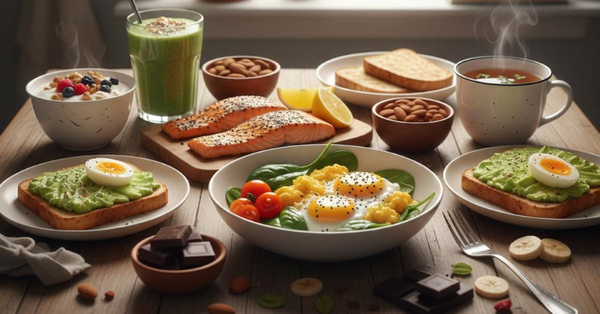
Eggs, Paneer, Greek yogurt or thick curd, Lentils, ChickpeasTofu, Lean chicken or fish. Pairing protein with complex carbohydrates such as oats, millets, or brown rice ensures sustained energy release.
Magnesium plays a role in more than 300 enzymatic reactions in the body. It supports nerve function, muscle relaxation, and mood regulation. Some studies suggest that magnesium may help reduce menstrual cramps and premenstrual symptoms. It also supports better sleep quality, which is often disturbed during fasting and periods.
Foods naturally rich in magnesium include:
Pumpkin seeds, Almonds, Cashews, Dark leafy greens, Bananas, Dark chocolate in moderation
A small handful of mixed nuts between Iftaari and bedtime can provide both magnesium and healthy fats.
Serotonin levels can fluctuate during the menstrual cycle. When blood sugar drops quickly, serotonin production may reduce further, leading to irritability or low mood.
Protein provides amino acids, including tryptophan, which supports serotonin synthesis.
In simple words, balanced protein intake supports emotional steadiness.
At Sehri: Vegetable omelette with multigrain rotiA bowl of curdHandful of nuts
At Dinner: Dal with brown riceGrilled paneer or chickenSpinach sabziSalad
This combination supports protein, magnesium, fiber, and slow carbohydrate release.
Avoid relying only on sugary drinks and refined carbohydrates. They give quick energy but are followed by a sharp crash.
If you experience extreme mood changes, severe depression around periods, or inability to function, it could indicate Premenstrual Dysphoric Disorder. Professional assessment is important.
General nutritional guidance aligns with global recommendations for balanced macronutrient intake, as supported by organizations such as the National Institutes of Health, which highlights the importance of magnesium and protein in metabolic stability. Protein prevents energy crashes. Magnesium supports muscle relaxation and mood. Include nuts, seeds, lentils, eggs, or paneer for steady strength during fasting.
Fun Fact: Dark chocolate with at least 70 percent cocoa contains magnesium, which may explain why many women crave it during their period.
Dr. Shreya Karan is a dedicated oral and maxillofacial surgeon who brings over ten years of experience to her practice, combining surgical expertise with genuine care for her patients. She is dedicated to empowering women with accurate, evidence-based health information, helping them make informed decisions about their well-being.
About PeriodSakhi
PeriodSakhi is your trusted companion for understanding your menstrual health. With easy-to-use tools, it helps you track your periods, ovulation, fertility, moods, and symptoms, while providing insights into your overall reproductive and hormonal health. PeriodSakhi also serves as a supportive online community where women can share experiences, find reliable information, and access expert-backed guidance on menstrual health, PCOS, pregnancy, lifestyle, and more.
Disclaimer
The views, thoughts, and opinions expressed in this article/blog are solely those of the author and do not necessarily reflect the views of PeriodSakhi. Any omissions, errors, or inaccuracies are the responsibility of the author. PeriodSakhi assumes no liability or responsibility for any content presented. Always consult a qualified medical professional for specific advice related to menstrual health, fertility, pregnancy, or related conditions.