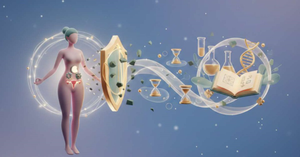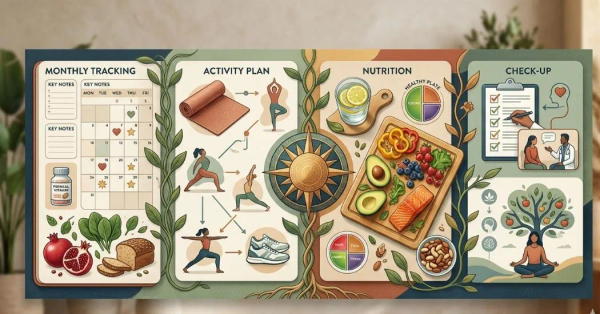

Pregnancy is a major life event that begins long before a positive pregnancy test. The health of both partners before conception can influence fertility, pregnancy outcomes, and the long-term health of the baby. This period before pregnancy is known as preconception care, which focuses on identifying health concerns, improving lifestyle habits, and creating the best possible environment for a healthy pregnancy.
Ideally, preconception preparation should begin at least three months before trying to conceive. This allows time to improve nutritional status, manage existing medical conditions, update vaccinations, and make healthier lifestyle choices.
Preparing for pregnancy does not mean achieving perfection. It means taking practical steps to support reproductive health and reduce preventable risks.
Preconception health refers to the physical, emotional, and medical preparation done before pregnancy. It includes evaluating factors that may affect conception, pregnancy development, and maternal health.
Important areas of preconception care include:
Balanced nutrition
Folic acid supplementation
Healthy weight management
Medical evaluation
Lifestyle changes
Mental well-being
Screening for health conditions
Both partners play an important role because fertility and pregnancy outcomes depend on factors from both egg and sperm health.
A healthcare consultation before pregnancy can help identify health issues that may need attention.
During a preconception visit, a doctor may review:
Medical history
Previous pregnancies
Menstrual cycle patterns
Medications and supplements
Vaccination status
Family history of genetic conditions
Existing health conditions
Conditions such as diabetes, thyroid disorders, high blood pressure, epilepsy, and certain autoimmune conditions may require medical planning before pregnancy.
Do not stop prescribed medications without medical advice. Some medicines may need adjustment, while others may be safe to continue.
Folic acid is one of the most important supplements before conception.
It helps reduce the risk of neural tube defects, which affect the early development of the baby’s brain and spinal cord. Since neural tube development occurs during the first few weeks of pregnancy, often before a person knows they are pregnant, folic acid should ideally be started before conception.
Most individuals planning pregnancy are advised to take 400 micrograms of folic acid daily, although some people may require higher doses based on medical history.
Higher-dose folic acid may be recommended for individuals with certain risk factors, such as previous pregnancies affected by neural tube defects or specific medical conditions.
Always consult a healthcare professional before starting supplements.
Good nutrition supports hormone balance, ovulation, egg quality, and overall reproductive health.
A healthy preconception diet should include:
These provide antioxidants, vitamins, minerals, and fibre that support general health.
Include:
Pulses and lentils
Eggs
Dairy products
Fish or lean meats, if consumed
Nuts and seeds
Protein supports tissue repair and hormone production.
Foods such as oats, brown rice, whole wheat products, and millets provide steady energy and important nutrients.
Sources such as nuts, seeds, avocado, and healthy cooking oils provide essential fatty acids involved in reproductive health.
Body weight can influence fertility and pregnancy outcomes.
Being significantly underweight may affect ovulation and menstrual regularity, while being overweight or obese can increase the risk of:
Irregular ovulation
Difficulty conceiving
Gestational diabetes
High blood pressure during pregnancy
A gradual approach to achieving a healthy weight through balanced nutrition and regular physical activity is recommended.
Extreme dieting or rapid weight loss before pregnancy is not advisable.
Certain lifestyle factors can affect fertility and pregnancy health.
Smoking can affect egg quality, sperm health, and pregnancy outcomes. Exposure to second-hand smoke may also be harmful.
Alcohol consumption can affect fertility and may increase risks during pregnancy. It is recommended to avoid alcohol when trying to conceive and during pregnancy.
High caffeine intake may be associated with pregnancy complications. Discuss your caffeine intake with your healthcare provider while planning pregnancy.
Emotional well-being is an important part of preconception care.
Stress, anxiety, and poor sleep can affect overall health and may influence lifestyle habits related to fertility.
Helpful practices include:
Maintaining a regular sleep schedule
Practising relaxation techniques
Staying physically active
Seeking support when feeling overwhelmed
Planning a pregnancy can bring emotional challenges, and open communication between partners can be valuable.
Some infections can pose risks during pregnancy, so checking vaccination status before conception is important.
A healthcare professional may review protection against infections such as:
Rubella
Varicella (chickenpox)
Hepatitis B
Influenza
COVID-19, according to current recommendations
Some vaccines are recommended before pregnancy because certain live vaccines cannot be given during pregnancy.
Many commonly used medications can be continued safely during pregnancy, but some require adjustment.
Before trying to conceive:
Make a list of all prescription medicines.
Include over-the-counter medicines and herbal supplements.
Discuss safety with your doctor.
Avoid starting fertility supplements or herbal products without medical guidance, as safety and effectiveness may vary.
Knowing your menstrual cycle can help identify the fertile window.
Track:
First day of periods
Cycle length
Ovulation signs
Changes in cervical mucus
Regular ovulation is important for conception. If periods are very irregular, absent, or unusually painful, medical evaluation may be helpful.
Fertility preparation involves both partners.
Sperm health can be influenced by:
Smoking
Alcohol
Obesity
Heat exposure
Certain medical conditions
Poor nutrition
Healthy lifestyle habits, regular exercise, and avoiding harmful exposures can support sperm quality.
Starting three months before trying to conceive allows time to improve nutrition, begin folic acid, manage health conditions, and make lifestyle changes.
A preconception consultation is especially useful if you have chronic health conditions, irregular periods, previous pregnancy complications, or concerns about fertility.
Healthy habits improve reproductive health but cannot guarantee pregnancy. Fertility depends on several factors, including age, egg health, sperm quality, and reproductive conditions.
Consult a healthcare professional if:
You are under 35 and have been trying for 12 months without pregnancy.
You are 35 or older and have been trying for 6 months without pregnancy.
Periods are irregular or absent.
There is a known fertility concern in either partner.
Early evaluation can help identify causes and provide appropriate support.
Preparing for pregnancy is an important step toward a healthier conception journey. A balanced diet, folic acid supplementation, regular exercise, medical check-ups, healthy lifestyle choices, and emotional well-being all contribute to better reproductive health.
Preconception care is not only about preparing for pregnancy but also about supporting the long-term health of both the parent and baby. Small, consistent changes made before conception can create a stronger foundation for a healthy pregnancy.
World Health Organization (WHO). Preconception care: Maximizing the gains for maternal and child health.
American College of Obstetricians and Gynecologists (ACOG). Prepregnancy Counseling.
National Health Service (NHS). Planning your pregnancy and preparing for a baby.
U.S. Centers for Disease Control and Prevention (CDC). Folic Acid: Recommendations for Pregnancy Planning.
Bibbins-Domingo K, et al. Folic Acid Supplementation for the Prevention of Neural Tube Defects. JAMA. Available through PubMed.
About PeriodSakhi
PeriodSakhi is your trusted companion for understanding your menstrual health. With easy-to-use tools, it helps you track your periods, ovulation, fertility, moods, and symptoms, while providing insights into your overall reproductive and hormonal health. PeriodSakhi also serves as a supportive online community where women can share experiences, find reliable information, and access expert-backed guidance on menstrual health, PCOS, pregnancy, lifestyle, and more.
Disclaimer
The views, thoughts, and opinions expressed in this article/blog are solely those of the author and do not necessarily reflect the views of PeriodSakhi. Any omissions, errors, or inaccuracies are the responsibility of the author. PeriodSakhi assumes no liability or responsibility for any content presented. Always consult a qualified medical professional for specific advice related to menstrual health, fertility, pregnancy, or related conditions.