
The ovulation phase, usually occurring around the middle of the menstrual cycle (days 12–16 in a 28-day cycle), is the body’s natural high-energy zone. Estrogen peaks, luteinizing hormone (LH) surges, and progesterone begin to rise slowly. These hormonal shifts do more than prepare the body for possible conception; they also influence your mood, energy, and social drive. Many people report feeling more outgoing, confident, and creative during this time.
Estrogen and oxytocin: High estrogen enhances verbal fluency and social confidence. It also boosts oxytocin, the “bonding hormone,” making conversations feel more effortless and enjoyable.
Mood stability: Unlike the PMS phase, mood swings are rare here, so social interactions feel lighter and more natural.
Non-verbal cues: Studies suggest people unconsciously appear more attractive during ovulation due to subtle hormonal signals, which can increase positive responses from others.
This is an ideal time for networking events, dates, group projects, or even addressing difficult conversations that require confidence.
Sharper focus: Estrogen supports dopamine pathways, which enhances attention and motivation.
Creativity boost: Many report peak creativity during ovulation, making it an excellent time for brainstorming or problem-solving tasks.
Physical strength: Energy levels and coordination peak, so fitness goals, presentations, or competitive tasks may feel easier.
If you have a major exam, presentation, or fitness challenge, aligning it with this phase can give you a natural edge.
While energy is naturally high, fueling your body well ensures you do not burn out.
Protein and fiber: Lean proteins (chicken, paneer, lentils) and fiber-rich foods (vegetables, oats) stabilize blood sugar.
Magnesium-rich foods: Nuts, seeds, and dark chocolate ease muscle tension and improve sleep.
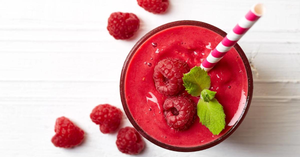
Antioxidants: Brightly colored fruits like pomegranate, berries, and citrus help with cellular repair.
Quick recipe idea: Berry Chia Yogurt Bowl: Greek yogurt topped with chia seeds, berries, and a drizzle of honey. It keeps energy stable without spiking sugar.
Plan group activities: Use your high energy to reconnect with friends or colleagues.
Network smartly: Schedule important meetings or career discussions during this phase.
Host or present: If public speaking makes you nervous, the ovulation phase is when confidence peaks.
Balance your energy: While enthusiasm is high, avoid overcommitting to too many events.
Morning workouts: Strength training or cardio feels easier; aim for challenging sessions now.
Creative sprints: Use peak focus for tasks that require originality or innovation.
Mind-body balance: Pair performance with short mindfulness breaks to avoid over-stimulation.
While ovulation feels like a “superwoman phase,” it is important not to push beyond your limits. Sleep adequately, hydrate well, and take short pauses between intense tasks. Remember that the luteal phase, which follows, naturally slows energy down. Conserving some energy during ovulation prevents burnout later.
The ovulation phase is the body’s natural rhythm of high energy, confidence, and creativity. By aligning social activities and performance goals with this period, you can enjoy smoother interactions and greater productivity. With balanced nutrition and mindful pacing, ovulation becomes not just a biological event but a time of empowerment and opportunity.
About PeriodSakhi
PeriodSakhi is your trusted companion for understanding your menstrual health. With easy-to-use tools, it helps you track your periods, ovulation, fertility, moods, and symptoms, while providing insights into your overall reproductive and hormonal health. PeriodSakhi also serves as a supportive online community where women can share experiences, find reliable information, and access expert-backed guidance on menstrual health, PCOS, pregnancy, lifestyle, and more.
Disclaimer
The views, thoughts, and opinions expressed in this article/blog are solely those of the author and do not necessarily reflect the views of PeriodSakhi. Any omissions, errors, or inaccuracies are the responsibility of the author. PeriodSakhi assumes no liability or responsibility for any content presented. Always consult a qualified medical professional for specific advice related to menstrual health, fertility, pregnancy, or related conditions.