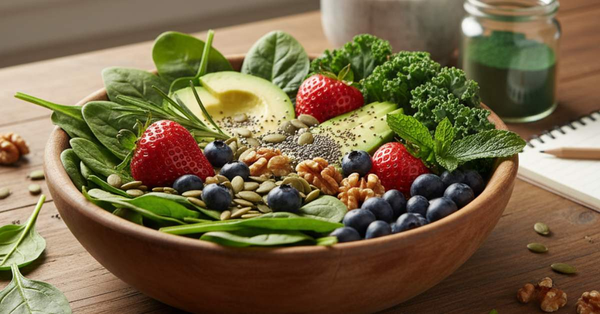

“When you nourish your body with the right foods, your hormones reward you with clarity, energy, and creativity.”
The follicular phase begins right after menstruation and lasts until ovulation (approximately day 6 to day 14 of a typical 28-day cycle). During this time, estrogen levels begin to rise, the uterine lining thickens, and energy levels typically improve. This is the body’s time of renewal, creativity, and sharper focus making nutrition especially important to support hormonal balance and cognitive clarity.
According to PubMed studies, estrogen enhances synaptic activity in the brain and boosts neurotransmitters like serotonin and dopamine, both of which play major roles in improving focus and mental agility. The right nutrition during this phase can therefore optimize brain performance and overall wellness.
The brain is highly sensitive to hormonal changes. During the follicular phase, estrogen acts as a natural brain booster improving memory, motivation, and verbal fluency. However, this also means your body needs steady blood sugar, iron, and B-vitamins to keep this mental energy stable. Skipping meals or eating highly processed foods can cause a crash in concentration and mood.
A diet rich in omega-3s, antioxidants, lean proteins, and complex carbohydrates can help sustain energy while protecting the brain from oxidative stress.
Spinach, kale, and methi (fenugreek) are rich in folate and magnesium, nutrients known to reduce brain fog and enhance dopamine production.
Folate supports DNA synthesis in developing follicles and aids neurotransmitter formation.
Magnesium helps regulate cortisol and promotes calm focus.
Flaxseeds are high in lignans, plant-based compounds that naturally balance estrogen levels.
They also contain alpha-linolenic acid (ALA), an omega-3 that improves brain blood flow and attention span.
You can add one tablespoon of ground flaxseed to smoothies or oatmeal.
Blueberries, strawberries, and amla (Indian gooseberry) are loaded with polyphenols that protect neurons and support better concentration.
A PubMed study (PMID: 27436430) showed that daily blueberry consumption improved memory and focus in women due to its antioxidant action.
Eggs are rich in choline, a nutrient crucial for brain cell communication.
They also provide B12 and high-quality protein, which stabilize blood sugar and reduce fatigue.
Including one or two eggs at breakfast can help maintain cognitive performance throughout the morning.
These complex carbohydrates supply a slow release of glucose, keeping brain energy steady.
They also contain iron and zinc, vital for oxygen transport and enzyme activity in brain cells.
Avocados are a natural source of healthy fats and potassium, both supporting optimal brain function.
They enhance nutrient absorption from other foods and stabilize hormonal fluctuations that could otherwise lead to irritability or poor focus.
These provide probiotics that improve gut-brain connection and vitamin B2, which supports cellular energy production.
Adding a handful of nuts or seeds can make it a hormone-friendly snack.
Rich in zinc, magnesium, and tryptophan, pumpkin seeds promote serotonin balance and better sleep quality, indirectly improving daytime focus.
Even mild dehydration can reduce concentration and mood. During the follicular phase, estrogen may increase sodium retention, so it’s important to balance electrolytes.
Drink water infused with lemon, mint, or chia seeds, and add coconut water for natural potassium support.
Avoid sugary drinks, which cause blood sugar spikes followed by energy crashes.
Breakfast: Oats with berries, flaxseed, and Greek yogurt
Lunch: Quinoa salad with spinach, avocado, and grilled paneer
Snack: A handful of pumpkin seeds or a small fruit smoothie
Dinner: Brown rice with mixed vegetables and tofu
These meals combine slow carbs, lean proteins, and healthy fats, a trio that keeps hormones and brain power balanced.
Exercise regularly: Moderate activity like brisk walking or yoga improves blood circulation to the brain.
Sleep well: 7–8 hours of sleep supports hormone recovery and memory.
Mindful breaks: Deep breathing or meditation improves clarity and helps align hormonal rhythms.
Estrogen and cognition: Estrogen enhances hippocampal synaptic plasticity, improving memory and learning (PMID: 22230413).
Omega-3s for brain health: Omega-3 supplementation supports neurogenesis and reduces mental fatigue (PMID: 29028254).
Antioxidants and focus: Flavonoid-rich foods like berries improve brain blood flow and cognitive speed (PMID: 27436430).
During the follicular phase, your body and brain are naturally aligned toward renewal and productivity. Choosing superfoods like leafy greens, flaxseeds, berries, and complex carbs enhances focus, supports hormonal balance, and prevents fatigue.
Nutrition during this phase is not about restriction but strategic nourishment giving your body what it needs to thrive mentally and hormonally. By eating mindfully, hydrating well, and resting adequately, you set the foundation for a focused and energized month ahead.
Dr. Akanksha is a dedicated dental professional and health educator who believes that healthcare goes beyond treatment-it is about creating awareness, building trust, and empowering individuals to make informed decisions about their well-being. Alongside her clinical expertise in dentistry, she is deeply passionate about public health education, with a special focus on menstrual health, hygiene, and women's wellness.
About PeriodSakhi
PeriodSakhi is your trusted companion for understanding your menstrual health. With easy-to-use tools, it helps you track your periods, ovulation, fertility, moods, and symptoms, while providing insights into your overall reproductive and hormonal health. PeriodSakhi also serves as a supportive online community where women can share experiences, find reliable information, and access expert-backed guidance on menstrual health, PCOS, pregnancy, lifestyle, and more.
Disclaimer
The views, thoughts, and opinions expressed in this article/blog are solely those of the author and do not necessarily reflect the views of PeriodSakhi. Any omissions, errors, or inaccuracies are the responsibility of the author. PeriodSakhi assumes no liability or responsibility for any content presented. Always consult a qualified medical professional for specific advice related to menstrual health, fertility, pregnancy, or related conditions.